June 10, 2026
LHC rejects petition challenging capacity payments to non-operational IPPs
The Lahore High Court has dismissed a petition against capacity payments made to independent power producers not generating electricity. The court ruled that energy-sector policymaking lies with the government and parliament, not the judiciary.

June 10, 2026
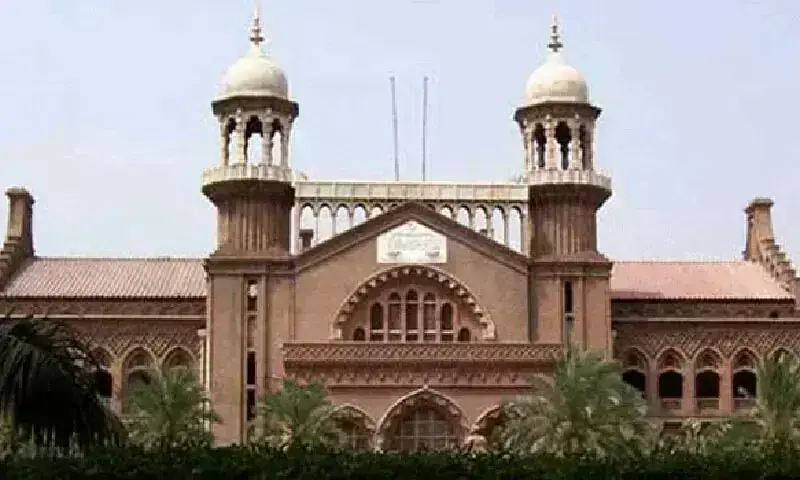
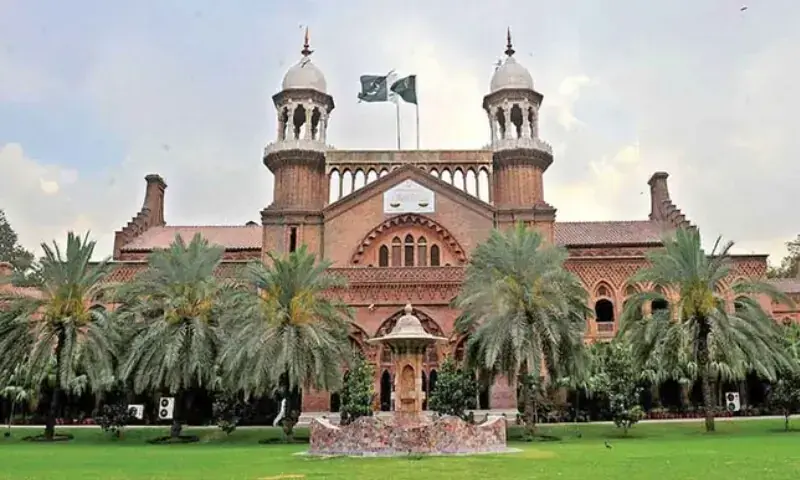
LAHORE: The Lahore High Court has dismissed as non-maintainable a petition that challenged the collection of capacity charges from electricity consumers and their payment to independent power producers that were not generating power.
Justice Ahmad Nadeem Arshad announced the verdict after reserving judgement on the maintainability of the petition filed by activist Ashba Kamran. In his order, the judge held that policymaking in the energy sector falls within the authority of the government and parliament rather than the judiciary.
The court observed that it could not act as an appellate forum to review economic, financial and regulatory policies. It further ruled that disagreement with a policy, by itself, was not enough to invoke the court’s constitutional jurisdiction through a writ petition.
Petitioner’s arguments
In her petition, Ms Kamran argued that under the Constitution the government could not impose any tax without parliamentary approval. She contended that the government had violated the Constitution by imposing what she described as an unlawful levy in the shape of capacity charges.
The petitioner maintained that these charges had been introduced on the recommendations of the federal cabinet and the National Electric Power Regulatory Authority without any legal mechanism being adopted and without approval from parliament. She also argued that payments made to local investors in connection with the national grid and linked to the US dollar exchange rate were unconstitutional.
She further submitted that power companies were being paid trillions of rupees despite not producing electricity or running their plants, calling it an injustice to the public. According to the petition, Rs18.10 trillion had been paid to independent power producers for unused electricity generation capacity and for plants that remained non-operational.
Relief sought in the petition
The petitioner had asked the court to direct the government to make payments only for electricity actually supplied to the system. She had also sought orders for the recovery of trillions of rupees that she alleged had been paid in excess to the IPPs, along with action to hold officials involved in the process accountable.
With the petition dismissed on the question of maintainability, the court did not proceed to examine those claims on merit.
0 Comments
No comments yet. Be the first to join the discussion!