June 5, 2026
Trade deficit rises as State Bank reserves edge closer to $18bn target
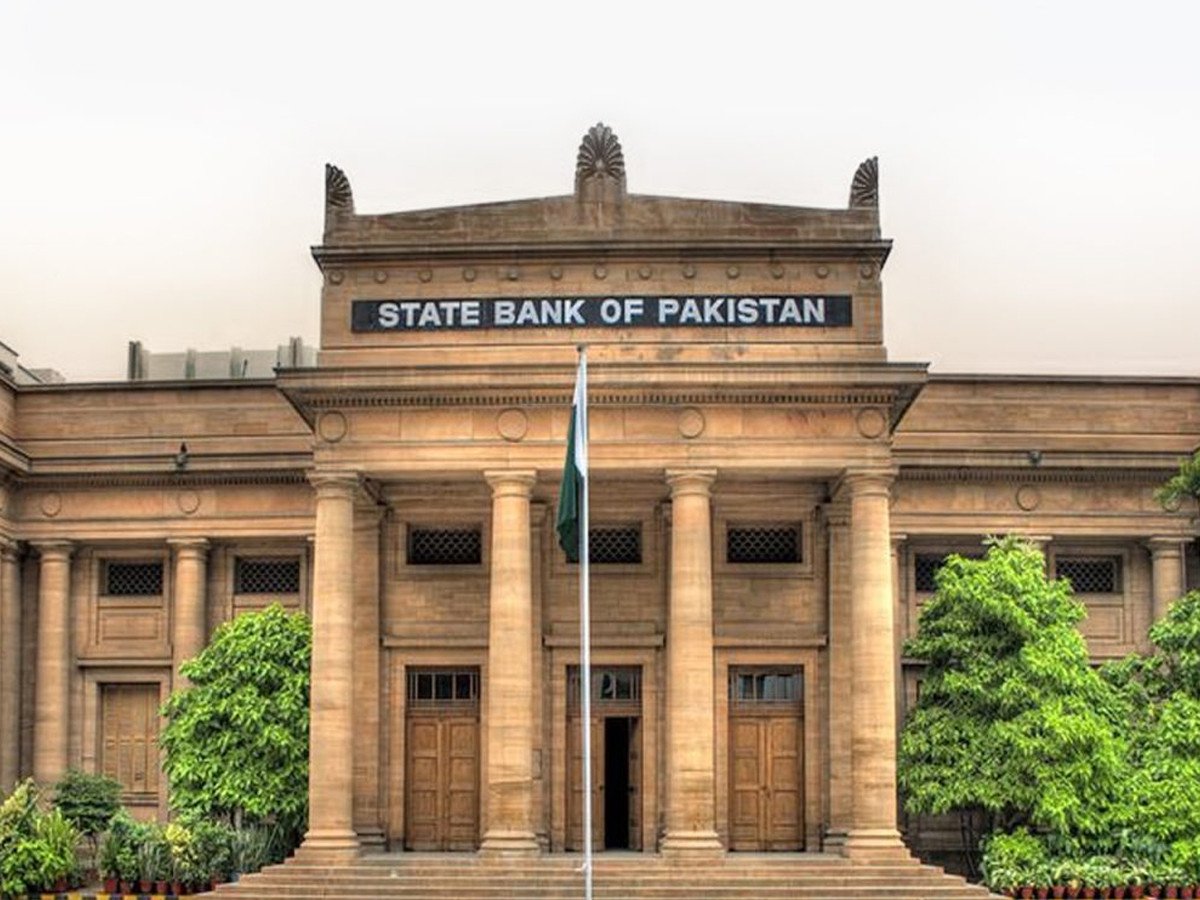
State Bank reserves rose to $17.2bn in the week ended May 29, moving closer to the FY26 target of $18bn. Analysts, however, warned that a widening trade deficit and possible remittance slowdown could strain the current account and the rupee.

June 5, 2026
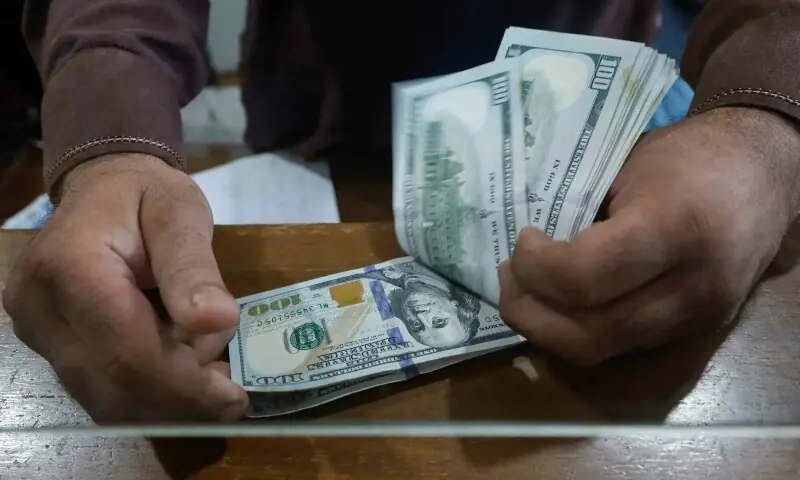
KARACHI: Pakistan’s foreign exchange reserves held by the State Bank of Pakistan rose by $43 million to $17.2 billion in the week ending May 29, according to central bank data issued on Thursday, bringing the stock closer to the fiscal year target of $18bn. However, financial experts warned that the expanding trade gap could offset gains in reserves and remittances and push the current account into deficit during the current fiscal year.
Substantial repayments to foreign creditors are due in June, leaving the central bank with limited time before the close of the fiscal year on June 30 to meet its reserves goal. Pakistan’s total foreign exchange reserves stood at $22.63bn at the end of last month, including $5.44bn held by commercial banks.
Analysts described the reserves buildup as encouraging but said pressure was building on the external account. The State Bank has been buying dollars from the inter-bank market to strengthen reserves and meet external obligations, while the rupee has been kept on a gradual upward path against the dollar.
Currency expert Atif Ahmed said the exchange rate was being tightly managed and warned that pressures could intensify after June once major payments are made. He said the dollar had strengthened against regional currencies other than Pakistan’s, suggesting that the rupee remained under depreciation pressure.
“More important is the managed exchange rate, which may burst after June after large payments are made before the end of the fiscal year on June 30,” said Atif Ahmed, a currency expert.
He also said State Bank purchases from the inter-bank market were not affecting the market price of the dollar in a meaningful way. "The rate is determined by the central bank."
Trade gap widens
Financial experts said the widening merchandise trade deficit was emerging as the main risk to the exchange rate and the current account. Pakistan posted a current account surplus of $1.8bn in FY25, but analysts said the sharp rise in the trade gap could drive the balance back into deficit at a higher-than-expected level.
The trade deficit in July-May 2025-26 increased by 17.48 per cent to $34.76bn, compared with $29.58bn in the same period a year earlier, an increase of $5.18bn. One financial expert said the trade deficit for the first 11 months of FY26 had climbed to $35bn and described the trend as alarming for economic managers.
The same expert said the growing gap would put additional downward pressure on the rupee against the dollar. He also referred to the Indian rupee, saying it had fallen from Rs86 to Rs95 over a year.
Imports and remittances in focus
The import bill rose to $62.66bn, which was mainly driven by higher purchases of luxury goods and food grain. Currency dealers also predicted a slowdown in workers’ remittances, which could make it difficult to meet the FY26 target of $41bn.
One expert said remittance inflows were closely linked to conditions in the Middle East, from where more than half of Pakistan’s remittances originate. He also said the finance ministry would face challenges in FY27 if the current account deficit widened further because of the larger trade imbalance.
0 Comments
No comments yet. Be the first to join the discussion!