

June 4, 2026
Special schools left out of summer break amid rising temperatures
Sindh special education staff have objected to the cancellation of summer vacations at DEPD institutions during severe heat. Employees say many schools lack air-conditioning and backup power, putting children with disabilities and staff at risk.

June 4, 2026
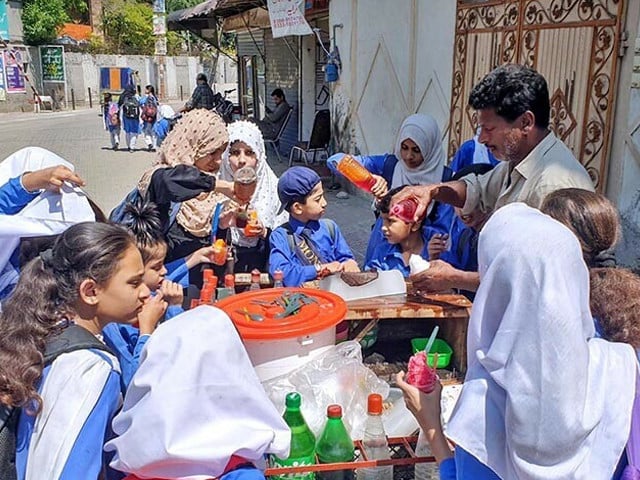
KARACHI: Teachers, physiotherapists and other rehabilitation staff working under Sindh’s Department of Empowerment of Persons with Disabilities (DEPD) have raised concerns after the department cancelled summer vacations for personnel at special education institutions despite ongoing heat waves, extended power cuts and high temperatures across the province.
The controversy followed a departmental directive requiring teachers, therapists and rehabilitation professionals to continue regular classes during the summer break. Employees said the move had caused alarm because many institutions do not have the facilities needed to cope with extreme weather, including cooling systems and backup power.
A circular dated June 2, issued by DEPD Section Officer Ashfaq Ahmed Jokhio, instructed the relevant staff to remain engaged during the vacation period. According to the circular, the department had observed that teachers, therapists and rehabilitation professionals were not following its policy of mandatory engagement during summer and winter vacations.
The circular stated that a long break could disrupt therapy and rehabilitation for children enrolled in these institutions whereas the rehabilitation process of special child will be affected by long 70 days gap.
Jokhio also referred to an earlier communication issued on May 22, under which regional directors had been told to cancel summer vacations for the staff concerned with immediate effect. The June 2 circular warned that employees who did not comply with the instructions could face disciplinary action, including the withdrawal of allowances. It further said that officers and staff serving on deputation could be sent back to their parent departments.
Employees, however, said the policy fails to account for the health risks posed by the weather to both staff and children with disabilities. A teacher posted in Jamshoro, who requested anonymity, said the institutions lack even basic protections against the heat.
"Neither are there air-conditioners in our classrooms nor any power backup facilities during outages," they informed The Experss Tribune.
Another employee, also speaking anonymously, said the idea of uninterrupted rehabilitation may appear positive in principle, but the directive ignores the effects of extreme summer temperatures on children and workers. He said summer breaks are observed across the country, from schools to universities, because education authorities recognise the dangers of prolonged exposure to severe heat.
The same employee questioned the rationale behind applying a different standard to children with disabilities. "If extreme heat is considered unsafe for mainstream students, why should children with disabilities be considered immune to the same risks?" he said.
A therapist associated with the department echoed those concerns and said the students affected include children with intellectual disabilities, autism spectrum disorders, hearing and visual impairments, cerebral palsy, developmental delays and multiple disabilities. According to staff members, these groups are among the most vulnerable and could face greater difficulty in coping with extreme weather conditions.
0 Comments
No comments yet. Be the first to join the discussion!


