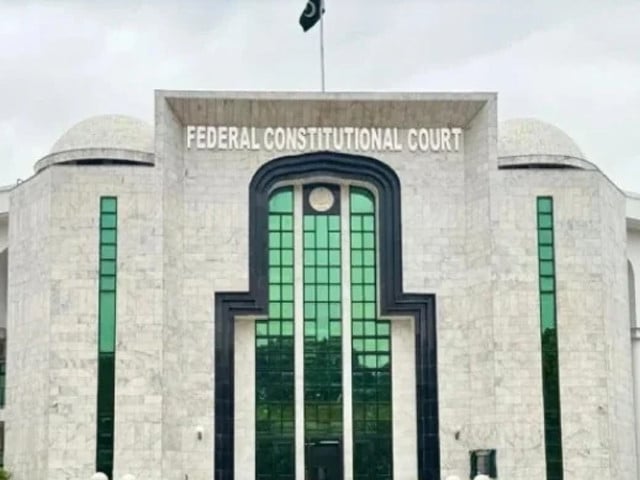
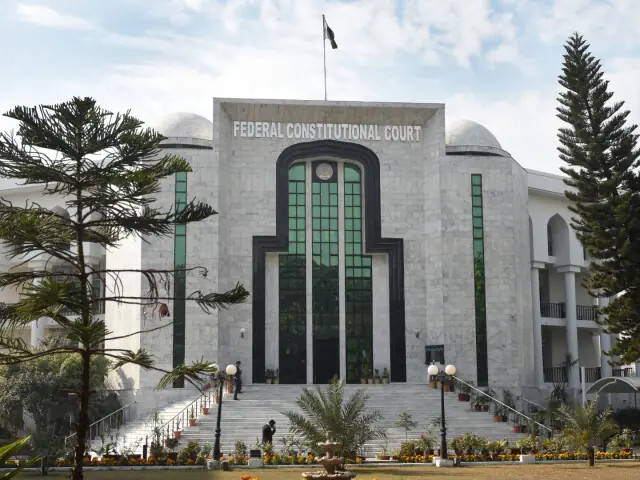
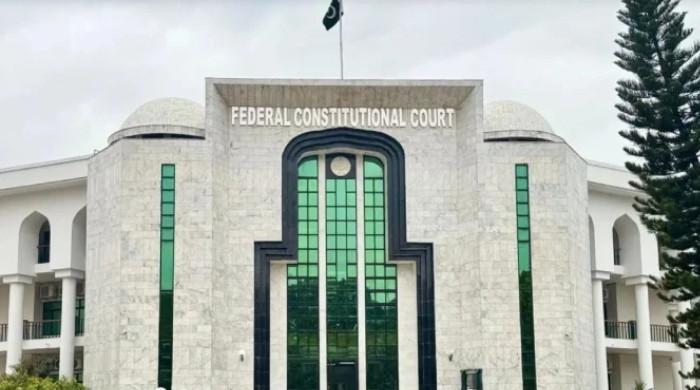
FCC says lawyers cannot lose licences for appearing in court during bar strikes
The Federal Constitutional Court has ruled that lawyer bodies cannot suspend licences for appearing in court or representing clients during strikes. It also termed frequent bar strikes illegal and harmful to litigants’ right of access to justice.

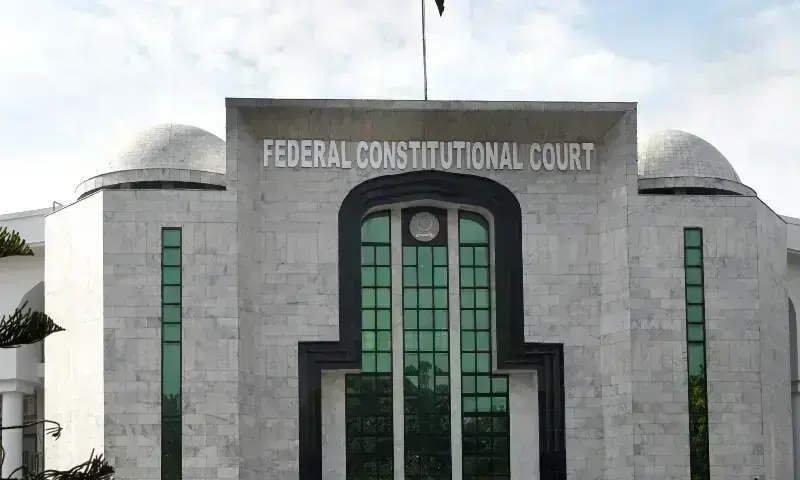
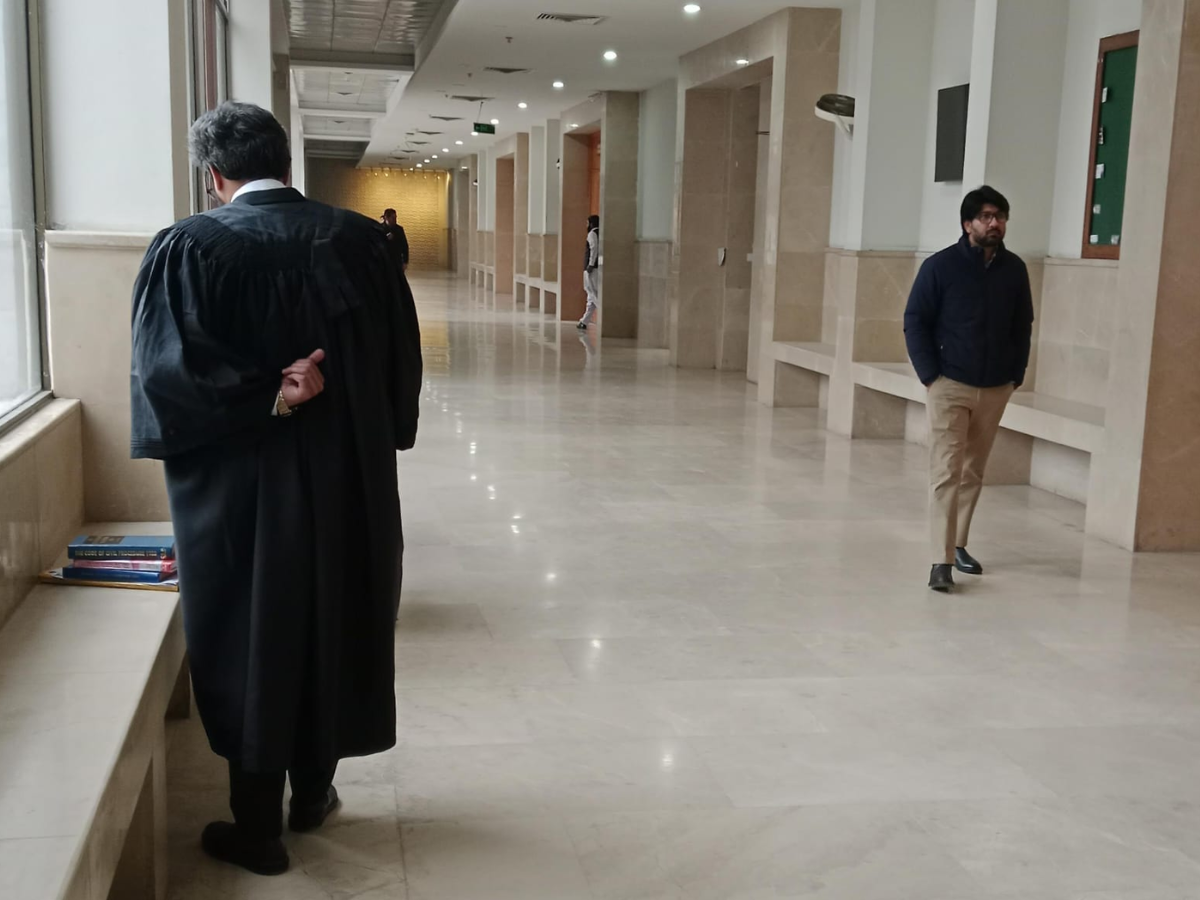
ISLAMABAD: The Federal Constitutional Court (FCC) has ruled that bar associations and bar councils cannot suspend a lawyer’s licence merely for representing a client or appearing before a court during a strike, while also declaring frequent strike calls by lawyer bodies illegal and contrary to litigants’ constitutional right of access to justice.
In a 20-page judgement authored by Justice Aamer Farooq and issued by a two-member bench that also included Justice Rozi Khan Barrech, the court dismissed an appeal filed by the Peshawar High Court Bar Association against an Oct 15, 2025 ruling of the Peshawar High Court (PHC). The FCC held that everyone has the right to be represented by counsel of their choice and said restrictions imposed by bar bodies in such situations were not permissible.
The court framed two questions for determination: whether a high court’s jurisdiction under Article 199(1)(c) of the Constitution extends to issuing writs against any person, including regulatory bodies such as bar councils, and whether suspending the licences of two lawyers for representing a client and appearing in court during a strike violated the fundamental right to practise a profession under Article 18. The FCC answered both questions in the affirmative.
Justice Farooq observed that stopping lawyers from representing litigants or from approaching and appearing before courts directly undermined the economic freedom protected by Article 18, which safeguards the right to pursue a lawful profession. The judgement said this constitutional protection was clearly engaged when Advocate Azim Afridi, or any other lawyer, was stopped from appearing in court on behalf of a client.
Dispute arose after lawyer’s murder
The case stemmed from protests following the killing of a young lawyer, in which a station house officer was implicated. The protests called for the officer to be brought to justice. The judgement said the officer later surrendered before the relevant court and was taken into custody, after which he engaged Advocate Shabbir Hussain Gigyani as his lawyer.
Those developments led the Khyber Pakhtunkhwa Bar Council to adopt a resolution barring any advocate from defending the accused officer. Separately, Advocate Azim Afridi faced disciplinary proceedings when the executive committee of the KP Bar Council suspended his licence during an emergency meeting on Oct 8, 2025. The suspension followed a communication from the Peshawar Bar Association that described his court appearance during a strike as an act of indiscipline.
Both lawyers challenged the suspension of their licences before the PHC, which ruled in their favour. The FCC has now upheld that position while rejecting the appeal brought by the Peshawar High Court Bar Association.
Court says strikes worsen litigants’ hardship
The judgement said the legal system was already under strain, with long cause lists and litigants often waiting years for hearings, and noted that strike calls by lawyer bodies compounded those difficulties. Justice Farooq said that, regardless of the purpose behind a strike, it was neither an appropriate remedy nor a lawful method of protest when it disrupted access to justice for litigants seeking relief.
At one point in the judgement, Justice Farooq stated: "When a strike call is made, the lawyer bodies restrict lawyers from appearing before the courts. Consequently, a litigant, on that day, is deprived of his legal practitioner’s representation, and proceedings in his case are adjourned without any progress."
"This amounts to a denial of access to justice," he added.
The judgement further held that denial of access to justice in any form violated the Constitution, whether through non-appearance before courts or by halting administrative and judicial functions. It also said that although a provincial bar council has the authority to suspend or cancel the licence of an advocate of the high court in cases of professional misconduct, there was no compelling reason in this case to prevent lawyers from representing a person accused of murder.
Comments
No comments yet. Be the first to join the discussion!