Riverine grazing lands in South Punjab face strain amid Indus water uncertainty
Experts and farmers have warned that reduced river flows in South Punjab could damage natural grazing lands vital to livestock and rural livelihoods. They also cited a recent Hague court ruling that said India cannot unilaterally suspend the Indus Waters Treaty.

ISLAMABAD: Natural grazing areas along the rivers of South Punjab, long relied upon by livestock-rearing communities, are coming under increasing pressure as fears grow over water disruptions linked to India’s move to hold the Indus Waters Treaty in abeyance.
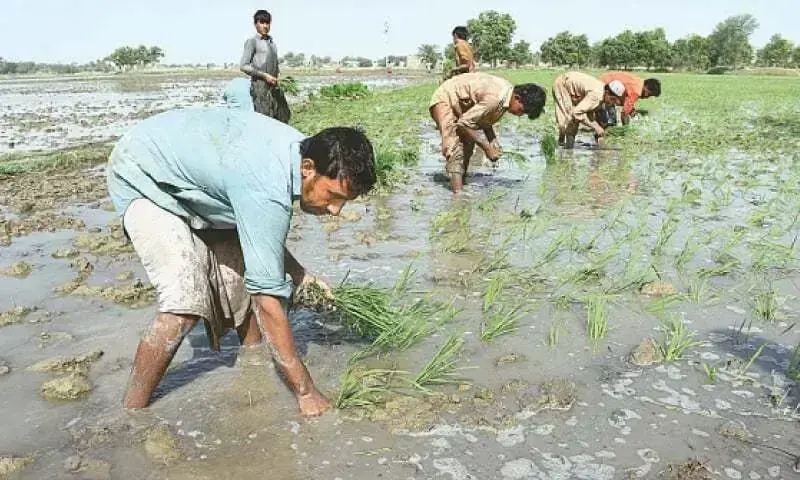
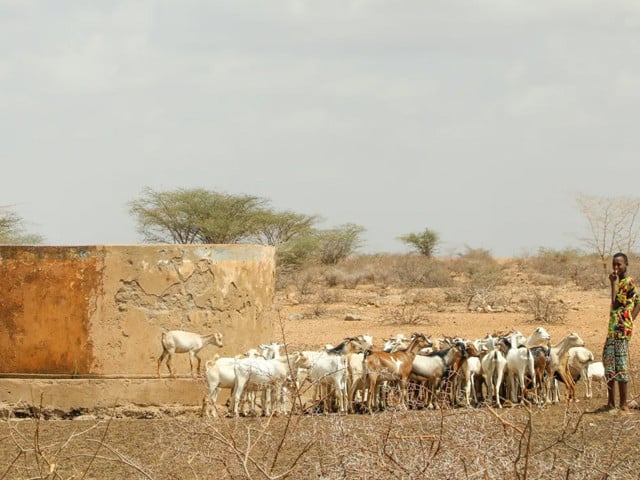
The riverine belt contains extensive charagahs that have for generations provided free natural fodder to local communities. Thousands of cattle, buffaloes, goats and sheep depend on vegetation that grows naturally in these areas, helping farmers keep feeding costs down and supporting rural livelihoods. Farmers and experts now say that any prolonged reduction in river flows could damage these ecosystems and place added strain on livestock production.
Livestock expert Dr Jamshaid Akhtar said the condition of grazing lands is directly tied to animal health and farm output.
"Healthy pastures are directly linked to healthy livestock,"
he said, adding that if grazing areas contract because of water shortages, farmers would face higher feed expenses and milk and meat production could fall.
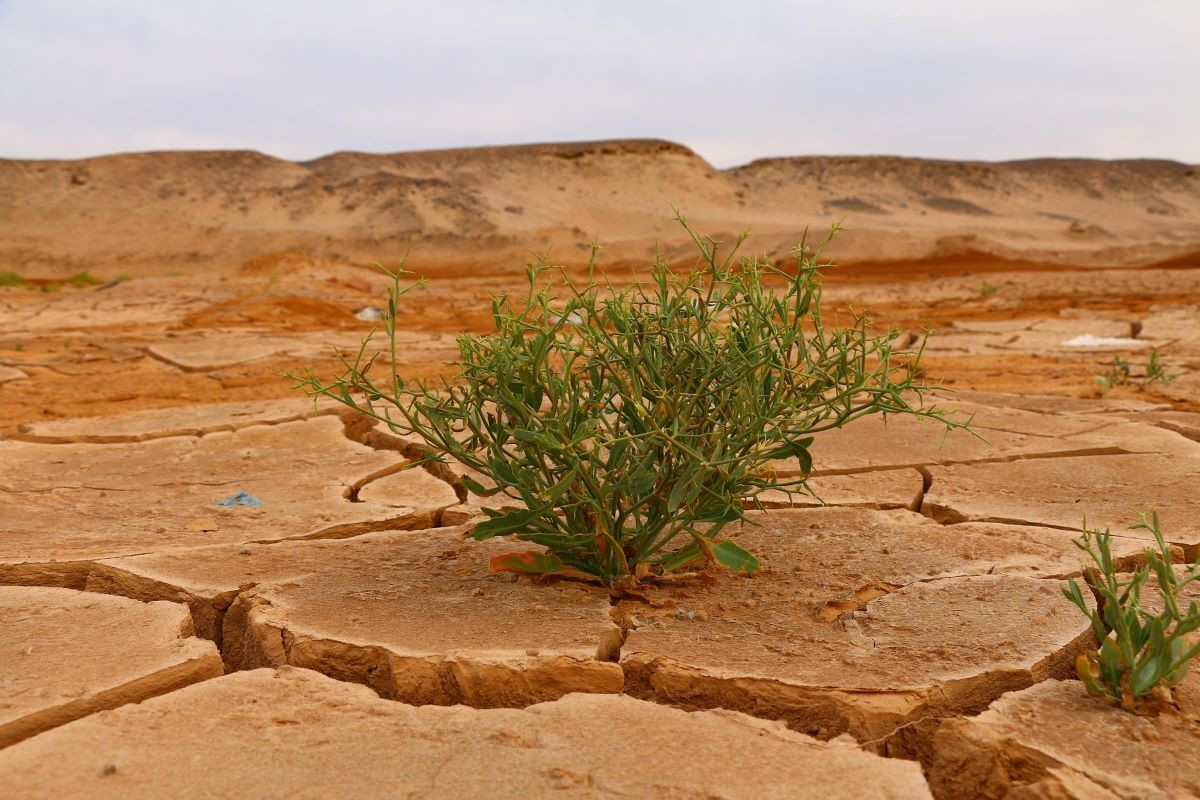
Environmental expert Adnan Tariq warned that declining moisture levels can gradually turn productive pastureland into barren stretches. Local farmer Laique Sheikhana said thousands of families in his area depend on riverbank grazing grounds for their animals and livelihoods.
"If water shortages continue and the river ecosystem deteriorates, our animals and our livelihoods will suffer,"
he said.
Treaty dispute and legal ruling
India unilaterally placed the Indus Waters Treaty in abeyance last year, days before the four-day military conflict with Pakistan. Earlier this month, the International Court of Arbitration in The Hague issued a clear ruling in Pakistan’s favour, saying India had no basis to keep the historic agreement in abeyance.
The court reaffirmed its supplementary award in disputes related to the Kishenganga and Ratle hydroelectric projects, maintaining that no state can unilaterally suspend the 1960 treaty. India, however, has refused to accept the court’s authority.
New Delhi’s position undermines international law. Dr AH Hilali of the University of Peshawar said the treaty was not a political arrangement that could be set aside at will.
"The IWT is not a political arrangement that can be suspended or ignored at will," he said. "It is an internationally recognised treaty brokered by the World Bank and has survived wars, political crises, and decades of hostility."
Former ambassador Manzoorul Haq said India had lost its legal and diplomatic grounds, while Dr Khurshid Khan of the University of Peshawar said the ruling had significantly reinforced Pakistan’s case.
"India cannot unilaterally place the treaty in abeyance. International commitments remain binding," Dr Khurshid Khan said.
Concerns over livelihoods and food supply
The experts warned that weaker livestock productivity could have broader economic effects, including risks to food security, rising poverty and higher milk and meat prices for consumers already under financial pressure. They urged the World Bank and the wider international community to press India to meet its obligations, cautioning that manipulation of water flows during agricultural seasons could carry serious consequences.
They said the future of the treaty should be addressed through dialogue, law and mutual respect rather than unilateral action.
Comments
No comments yet. Be the first to join the discussion!