

KP farmers fear water shortages amid concerns over Indus Waters Treaty
Farmers in Khyber Pakhtunkhwa say uncertainty over the Indus Waters Treaty has heightened fears of water shortages. Experts warn reduced river flows could worsen the province’s wheat deficit and threaten food and energy security.

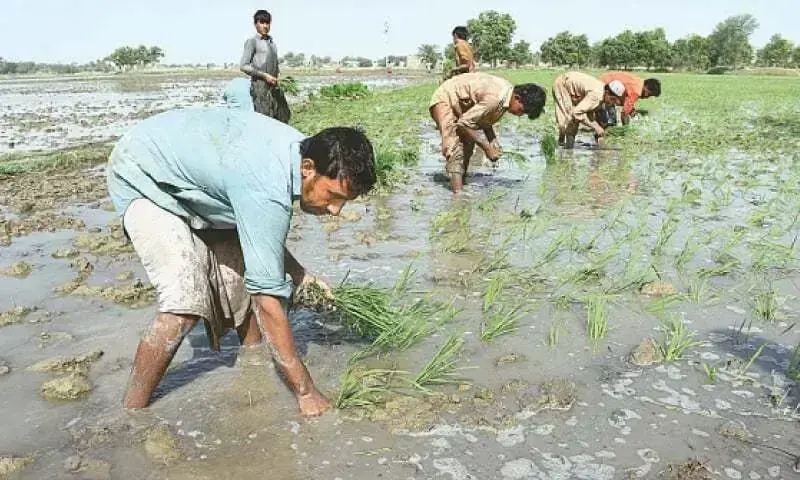
DERA ISMAIL KHAN: In the quiet villages of Dera Ismail Khan, the routine of the morning harvest has been overshadowed by a growing anxiety over the future of the Indus Waters Treaty (IWT) and its impact on Pakistan’s agricultural survival.
Farmers like 49-year-old Adnan Khan, who relies on the Indus River system to irrigate his wheat, maize, and rice crops, describe the water flow as increasingly uncertain. The concern follows the Indian government's decision in April last year to hold the 1960 treaty in abeyance—a move local farmers and experts view as a blatant disregard for international guarantees brokered by the World Bank.
"We live by this water," Adnan says. "If it stops, everything stops."
The potential disruption of the western rivers—the Indus, Jhelum, and Chenab—threatens more than just seasonal harvests. Agricultural experts warn that Khyber Pakhtunkhwa already faces a massive wheat production gap, producing only 1.2 to 1.5 million tons against a 5-million-ton demand. Professor Dr. Naeemur Rehman Khattak of the University of Peshawar warns that any reduction in river flows could worsen food insecurity and deepen the province's reliance on Punjab.
Beyond crops, the uncertainty poses a risk to livestock, fisheries, and honey production. International relations expert Dr. Ejaz Khan notes that major infrastructure, including the Tarbela and Mangla dams, depends on consistent flows for both irrigation and power generation. A decline could trigger a simultaneous energy and food crisis.
While legal experts maintain that the treaty remains binding and cannot be suspended unilaterally, farmers remain on edge. They have called upon the World Bank to intervene and ensure the treaty's terms are upheld. For the nearly 300 million people supported by the Indus Basin, the stakes extend far beyond politics; as Adnan puts it, the water is quite simply "life."
1 Comment
No comments yet. Be the first to join the discussion!


