NFC reform urged to curb population growth
Lawmakers at a parliamentary pre-budget session urged reform of the NFC formula and stronger funding for population stabilisation measures. Participants also called for linking resource allocation to human development indicators and removing tax on contraceptives.


ISLAMABAD: Lawmakers from across party lines have called for changes to the National Finance Commission formula and stronger budgetary action on population stabilisation ahead of the 2026-27 federal budget, during a pre-budget session of the Parliamentary Forum on Population.
The meeting brought together more than 40 parliamentarians from the federal and provincial legislatures to turn political commitments on population issues into budget measures. It was organised by the Population Council with support from the United Nations Population Fund.
Senator Sherry Rehman, who chairs the Parliamentary Forum on Population, presided over the session and urged stronger political ownership of the issue across legislatures. She said Pakistan was moving towards a population surge that could put basic rights and long-term sustainability under severe strain.
Rehman said the country’s population was projected to reach 390 million by 2050, marking a 62 per cent increase, while 256 million people would be in the job market by then, exceeding the country’s current total population. She also linked the issue to wider social indicators, saying 40 per cent of children under five were stunted because of chronic malnourishment and 42 per cent of the population was living below the poverty line.
"Population is a ticking time bomb for every resource this country generates. Our population is projected to reach 390 million by 2050, an alarming 62 per cent increase. By then, 256 million people will be in the job market, more than our existing total population," she said addressing the session.
"This is no longer a demographic dividend; it has become a demographic drag. Forty per cent stunting should be enough of a wake-up call for all of us. We defend many frontiers as a nation, but these are our real trenches," Rehman added.
She called for the immediate withdrawal of tax on contraceptives and said population should be treated as both a national and family issue requiring continued parliamentary oversight.
Economic and fiscal concerns
Adnan Pasha Siddiqui, adviser to the finance minister on special initiatives, described population growth as a major macroeconomic challenge for Pakistan. He said better management of population growth in past years would have left the country with a higher GDP and per capita income.
In his remarks, Siddiqui called for fiscal and structural changes, including a review of the NFC formula and progress on a long-term National Population Stabilisation Programme. He warned that continued population pressures would keep weakening Pakistan’s economic competitiveness.
Senior economist Dr Hanid Mukhtar said Pakistan was assigning only a limited portion of public spending to population-related priorities, describing the issue as one of fiscal prioritisation rather than resource scarcity.
That view was echoed by Dr Melania Hidayat, international family planning adviser at UNFPA Pakistan, who pointed to a major financing gap and urged policymakers to remove the contraceptive tax through the Finance Bill. "Family planning is not only a vital health intervention, but also a sound economic investment that delivers substantial social and economic returns," she said.
Calls to change funding criteria
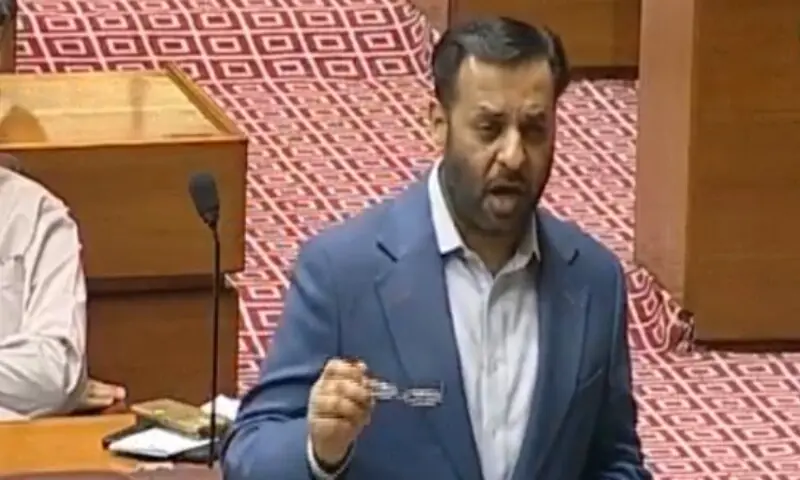
During a plenary discussion moderated by MNA Dr Farooq Sattar, participants stressed the need to reduce the heavy reliance on population in resource distribution and instead connect allocations with human development indicators. They also called for measures to address regional disparities and improve last-mile service delivery.
The session concluded with remarks by Naveed Qamar, chairman of the National Assembly Standing Committee on Finance and Revenue, who reaffirmed parliament’s commitment to accountability and said budget allocations for population and family planning would be closely examined.
Comments
No comments yet. Be the first to join the discussion!