Trump gives Iran 'one shot' as Gulf tensions escalate amid fresh war threats
Trump tells Iran the US will give “one shot” to reach an agreement amid Gulf tensions and Strait of Hormuz mine fears, warning attacks could resume within days if talks fail.

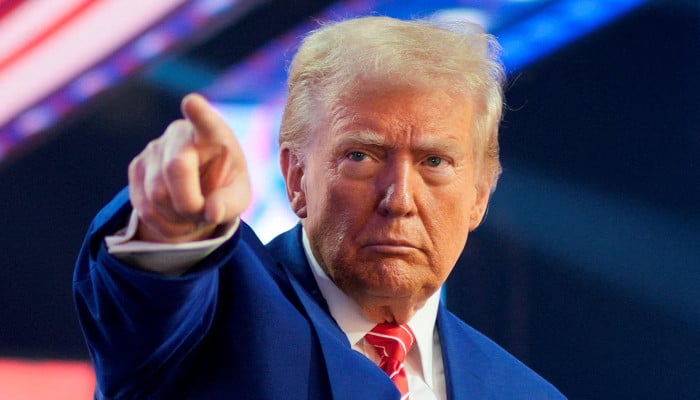
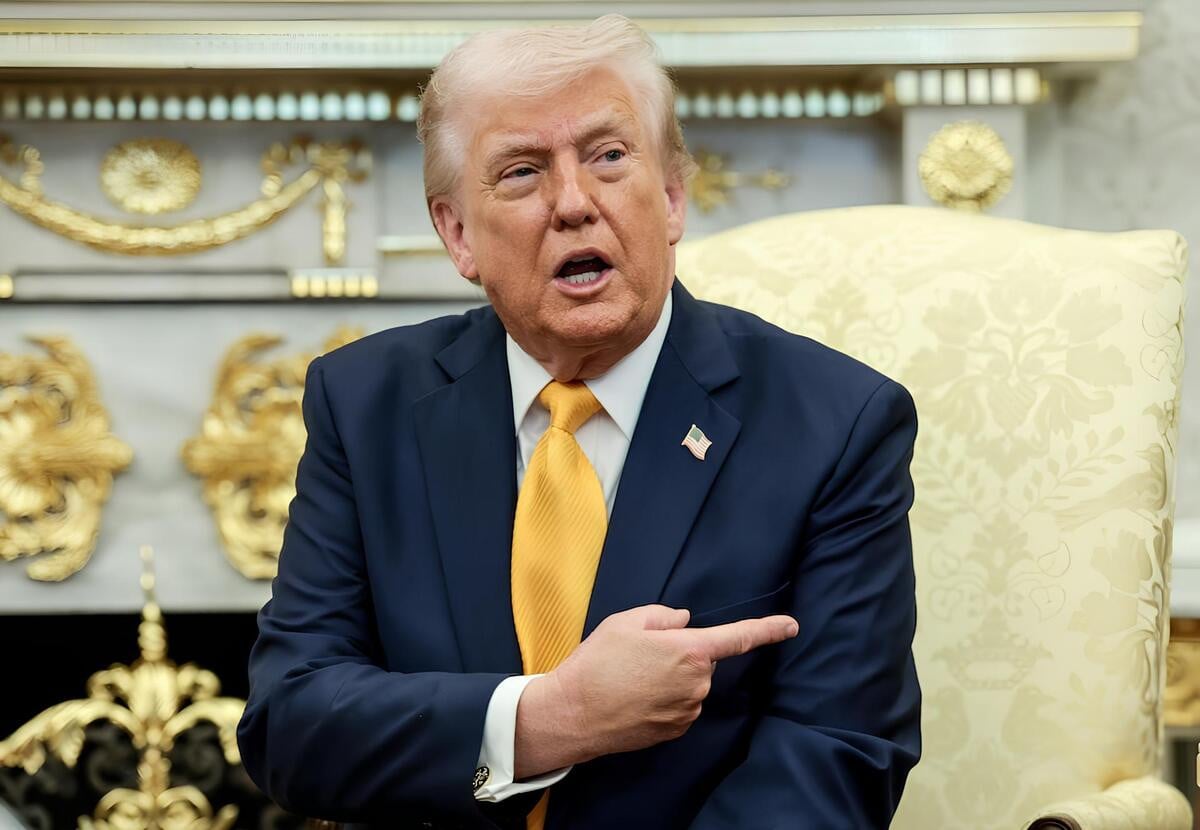
WASHINGTON/TEHRAN: Donald Trump on Wednesday said the United States would give Iran “one shot” to reach an agreement, while warning that Washington could resume attacks within days if negotiations failed, as tensions in the Gulf continued to rattle global energy markets.
Speaking to reporters before departing Joint Base Andrews, Trump said he was not rushing toward a deal and was more focused on achieving strategic objectives than adhering to any timeline.
“Just a limited deal, just for a longer ceasefire. We'd have to open the strait, which would open immediately. So we're going to give this one shot. I'm in no hurry,” Trump said, referring to the strategically vital Strait of Hormuz.
The remarks came amid mounting fears of a wider regional conflict and reports of possible mines in the Strait of Hormuz, a critical route for global oil supplies. France said it had no confirmation that mines had been deployed but acknowledged preparations for a potential demining mission.
French Defence Minister Catherine Vautrin said Paris and London were preparing naval measures in the region, adding that France already had demining capabilities stationed in Djibouti.
Meanwhile, Iran’s Revolutionary Guards issued a stark warning that any renewed US-Israeli military action would trigger a conflict extending “far beyond the region”.
In a strongly worded statement, the Guards said Iran had yet to unleash the full strength of the Islamic revolution despite facing attacks from what it described as “the world’s two most expensive armies”.
“If the aggression against Iran is repeated, the promised regional war will this time spread far beyond the region, and our devastating blows will crush you,” the statement declared.
The war, which erupted on February 28 and has remained under a fragile ceasefire since April 8, reportedly killed several top Iranian figures, including Supreme Leader Ali Khamenei, triggering retaliatory missile and drone attacks by Tehran across the region.
Iranian Foreign Minister Abbas Araghchi also warned on X that any “return to war will feature many more surprises”.
At the same time, signals from Washington hinted at a possible diplomatic breakthrough. US Vice President JD Vance said “a lot of progress” had been made in negotiations with Tehran and expressed optimism about reaching an accord.
“We’re in a pretty good spot here,” Vance told reporters at the White House.
Shipping data on Wednesday showed two Chinese oil tankers successfully exiting the Strait of Hormuz carrying nearly four million barrels of Iraqi crude, raising hopes that tensions around the crucial waterway may ease.
Oil markets reacted positively to the developments, with Brent crude prices falling sharply before recovering some losses later in the day.
The ongoing conflict has severely disrupted global energy supplies, trapping hundreds of tankers in the Gulf and damaging energy and shipping infrastructure across the region. Analysts say the White House is facing increasing domestic pressure to secure a deal that would stabilise oil markets and reopen maritime trade routes.
Trump, whose approval ratings have suffered amid rising fuel prices and approaching congressional elections, reiterated that the US could resume military action within “two or three days” if negotiations collapsed.
“I was an hour away from making the decision to go today,” Trump claimed, while also asserting that Iran’s leadership was “begging for a deal”.
Comments
No comments yet. Be the first to join the discussion!