UHS launches programme to add child nutrition to MBBS curriculum in Punjab
The University of Health Sciences has begun a Unicef-backed programme to incorporate child nutrition and health interventions into the MBBS curriculum across Punjab. Four specialised trainings are planned between May and June 2026.


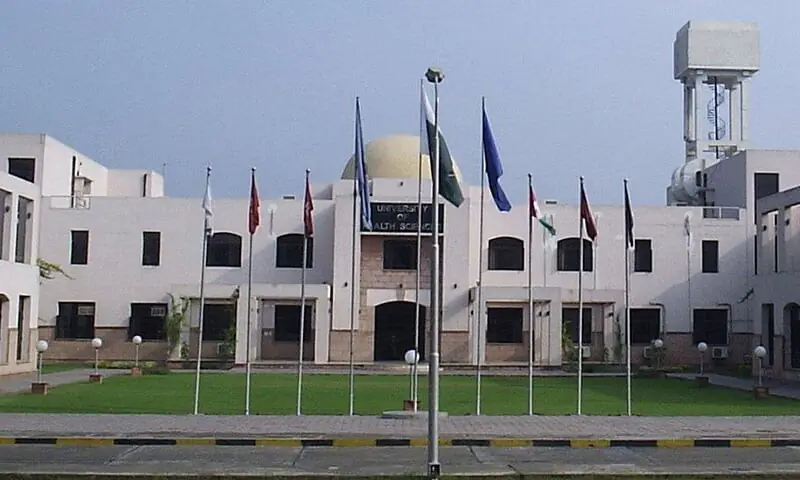
LAHORE: The University of Health Sciences (UHS) has started the first phase of a four-part capacity-building programme, developed in collaboration with Unicef, to integrate nutrition and child health interventions into the MBBS curriculum across Punjab.
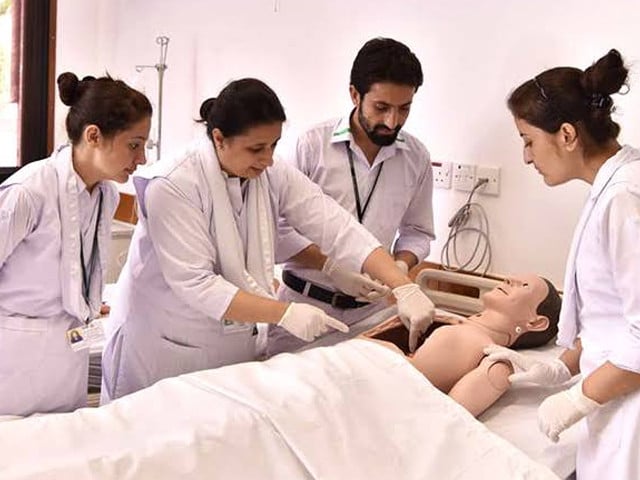
The initiative opened with a three-day training workshop on community-based management of acute malnutrition (CMAM). Participants included medical educationists, paediatricians, public health specialists and healthcare trainers from medical colleges and teaching hospitals across the province. The programme is being organised by the UHS department of international linkages.
Series of trainings planned
Under the UHS-Unicef collaboration, four specialised training sessions are scheduled between May and June 2026. These will cover community-based management of acute malnutrition, infant and young child feeding, early childhood development, and multiple micronutrient supplementation.
The workshops are intended to standardise nutrition-related teaching in undergraduate medical education in line with recommendations of Unicef and the World Health Organisation (WHO).
The ongoing CMAM workshop is focusing on early detection of malnutrition, prompt treatment, referral mechanisms, stabilisation care, supplementary feeding and community-based follow-up for children affected by severe and moderate acute malnutrition.
Officials stress need for curriculum reform
Addressing participants, UHS Vice Chancellor Prof. Ahsan Waheed Rathore said the partnership with Unicef showed the university’s commitment to bringing medical education in line with emerging public health needs. He said nutrition and early childhood health could no longer be treated as peripheral areas in medical training in view of Pakistan’s increasing burden of malnutrition and preventable childhood illnesses.
Prof. Rathore said future doctors needed not only clinical knowledge but also practical, community-based skills to identify nutritional deficiencies early and respond effectively. He also expressed hope that the initiative would contribute to a stronger and more responsive healthcare system for mothers and children across Punjab.
Speaking at the session, Prof. Najaf Masood, professor of paediatrics at Allama Iqbal Medical College and Jinnah Hospital Lahore, described acute malnutrition as a silent emergency and underscored the importance of timely screening and interventions at the community level to help prevent avoidable child deaths.
Prof. Dr. Shahid Mahmood Sethi, professor and former head of the department of community medicine at Allama Iqbal Medical College and Jinnah Hospital Lahore, took part as a facilitator and said nutrition education should become a core component of undergraduate medical training. He said future doctors should be prepared to understand both the medical and social factors that shape child and maternal health.
Malnutrition burden highlighted
WHO estimates cited in the report say nearly 45 million children under the age of five around the world suffer from acute malnutrition. Unicef figures, meanwhile, indicate that one in every three children in Pakistan faces malnutrition or growth-related problems.
Health experts said poor nutrition remains one of the main causes of illness, stunting and child mortality in developing countries, including Pakistan. The new training programme is aimed at strengthening the role of medical education in addressing those challenges through more consistent teaching and practical preparation for future doctors.
Comments
No comments yet. Be the first to join the discussion!