'Big people are involved': Pinky case sparks heated debate in Sindh Assembly
The Sindh Assembly saw a heated debate over drug sales in Karachi, with ministers defending anti-narcotics action and the opposition demanding a thorough probe. Lawmakers also raised alarm over prolonged loadshedding and other civic issues.


KARACHI: The Sindh Assembly witnessed a stormy session on Friday as lawmakers clashed over Karachi’s growing drug problem, the controversial arrest of alleged drug dealer Anmol alias Pinky, worsening loadshedding, and allegations of corruption across multiple departments.
The session was dominated by heated exchanges after Pakistan Tehreek-i-Insaf lawmaker Bilal Khan Jadoon raised concerns regarding the open sale of drugs in parts of Karachi.
Responding to the issue, Senior Minister Sharjeel Inam Memon said the provincial government had launched a strict anti-drug campaign and urged lawmakers to collectively treat the issue as a national crisis rather than a political talking point.
“Drugs are not just a problem for one institution or the government, but an issue affecting the entire nation and the younger generation,” he said, stressing that Sindh must be made drug-free.
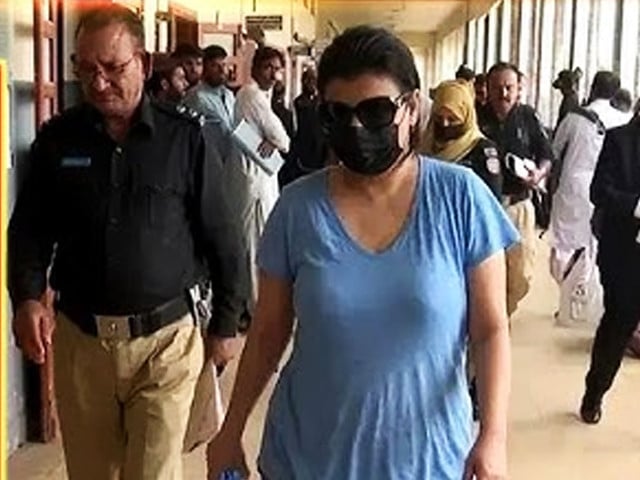
The minister cited the arrest of Anmol alias Pinky as evidence of the government’s seriousness in tackling narcotics networks.
However, the debate intensified when Opposition Leader Ali Khurshidi came under criticism from the treasury benches for raising the issue publicly outside the assembly instead of presenting evidence on the floor of the House.
Sharjeel Inam Memon warned against publicly naming individuals allegedly linked to drugs, saying doing so could implicate “many people from different walks of life, including celebrities and well-known figures.”
Home Minister Ziaul Hassan Lanjar confirmed that Pinky had been arrested and stated that officers accused of facilitating protocol for the suspect had already been suspended.
“If an arrest is needed, I will make it,” he told lawmakers, adding that a full investigation was underway and findings would be shared once completed.
Ali Khurshidi later told reporters outside the assembly that the case involved influential individuals and demanded a transparent inquiry.
“Big people are involved. Families have been destroyed because of this issue. There should be a thorough investigation,” he said, alleging that drugs could not be sold without police connivance.
The opposition leader also launched a wider attack on the provincial government, accusing it of systemic corruption, examination paper leaks, and administrative collapse.
He claimed that positions within the Sindh Public Service Commission were allegedly being sold for millions of rupees and alleged that corruption had spread across multiple sectors, including solar projects and water management.
“A crippled system is running in this province,” he said.
The session also turned into a platform for growing anger over prolonged electricity outages across Sindh.
Jamaat-i-Islami lawmaker Muhammad Farooq accused K-Electric of imposing up to 18 hours of unscheduled loadshedding in Karachi and other areas despite previous assurances.
“Are they above the Sindh Assembly and the provincial government?” he asked, demanding an FIR against KE officials.
Former energy minister Imtiaz Shaikh also criticised the worsening situation, saying prolonged blackouts during extreme heat had brought daily life to a standstill.
He reiterated the provincial government’s demand that HESCO and SEPCO be handed over to Sindh’s control to improve governance and reduce electricity costs.
Additional concerns were raised during the session over the use of playgrounds for Bachat bazaars, examination paper leaks, water shortages, and the collapse of infrastructure in parts of Sindh.
The chaotic sitting reflected mounting political pressure on the provincial government as opposition parties intensified criticism over governance failures, public services, and the expanding narcotics problem in Karachi.
Comments
No comments yet. Be the first to join the discussion!