Former LRH director appointed to Mardan MTI despite CM’s order for removal
A former LRH hospital director has been appointed to Mardan Medical Complex despite earlier orders by the KP chief minister for his removal. The case has renewed attention on the powers exercised by MTI boards of governors.

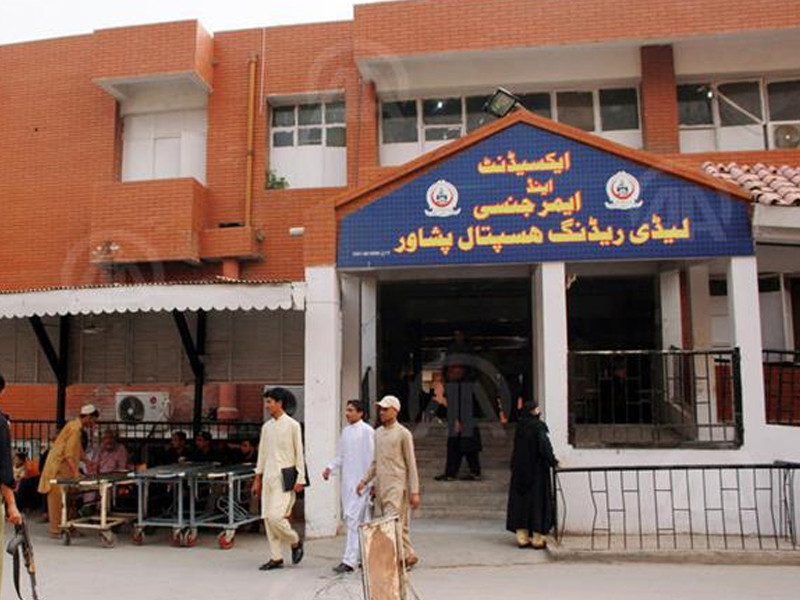
PESHAWAR: A former hospital director of Peshawar’s Lady Reading Hospital (LRH) has been appointed to the same post at Mardan Medical Complex (MMC) even though Khyber Pakhtunkhwa Chief Minister Sohail Afridi had earlier ordered his removal from LRH.
The chief minister paid a late-night visit to LRH in December last year and took notice of what was described as poor performance and inadequate patient care at the province’s largest public-sector hospital. Following that visit, he ordered the immediate termination of the hospital director and the suspension of the head of the paediatric emergency department.
However, instead of implementing those directions, the LRH board of governors (BoG) initiated an inquiry into the matter. The inquiry cleared both officials of the allegations, after which the board allowed hospital director Dr Mohammad Abrar Khan to complete his tenure rather than removing him in line with the chief minister’s instructions.
On April 30, Dr Abrar was appointed hospital director of MMC Mardan for a five-year term on the orders of the chairman of the hospital’s BoG.
Prof Arshad Javaid, chairman of the MMC BoG, did not respond to a text message seeking his version. However, MTI Policy Board chairman Prof Nausherwan Barki defended the appointment and said,
“If the recruitment process was fair and that was the decision of the MMC board, it’s fine,” while speaking to Dawn.
Chief minister’s directions and official communication
The health department had informed the LRH BoG of the chief minister’s orders through a letter regarding the termination of the hospital director and suspension of the paediatrics emergency head. The letter said the chief minister made a surprise visit to the LRH paediatrics emergency department at midnight on Dec 16 to assess the situation and found patient care “more pathetic than what was reported.”
The same letter quoted the chief minister as saying: “The attendants’ feedback supplemented the evidence of poor patient care,”
According to the letter, the chief minister expressed serious dissatisfaction with the hospital’s overall functioning, especially in the areas of patient management, cleanliness, staff responsiveness and compliance with standard operating procedures. He noted that the 1,800-bed tertiary care hospital receives an annual budget of Rs8 billion from the provincial government and was therefore expected to provide prompt, efficient and adequate treatment, particularly in emergency cases and for vulnerable patients, including newborns.
Concerns over MTI governance
Officials said the broad powers available to boards of governors had previously led them to disregard health department directives, and in this case they ignored clear directions from the chief minister as well.
The Medical Teaching Institutions Reforms Act (MTIRA) has been in force since 2015 in 11 teaching hospitals and their affiliated medical and dental colleges in the province. Under the law, these institutions are run by boards of governors whose members come from the private sector. Those boards make senior appointments independently, while the health department has no authority over their affairs.
Officials also said the health department ordered audits of MTIs twice last year, but those audits did not take place. They added that in some instances, senior officials removed from one MTI were later appointed to positions in other MTIs because there was no effective check on the boards.
According to officials, MTIs continue to receive government funding and spend it according to their own requirements. They said boards can abolish posts, redesignate them and create new positions without obtaining approval from the health department.
The officials said the situation had caused embarrassment for the government because MTIs had created numerous managerial posts carrying high salaries, while performance had not met the required standard. They added that before the MTI system was introduced, public hospitals in the province were managed by a small number of doctors with qualifications in health management who were paid under the government pay scale. They further said salaries of MTI deans, medical directors, hospital directors and directors of finance, nursing and human resources were significantly higher than those of BPS-22 government officers.
Comments
No comments yet. Be the first to join the discussion!