Trump war powers deadline lapses as officials invoke ceasefire loophole
President Donald Trump faces a May 1 war powers deadline over US military action against Iran, while his administration argues a ceasefire has ended hostilities under the law. Lawmakers and legal experts have challenged that interpretation.

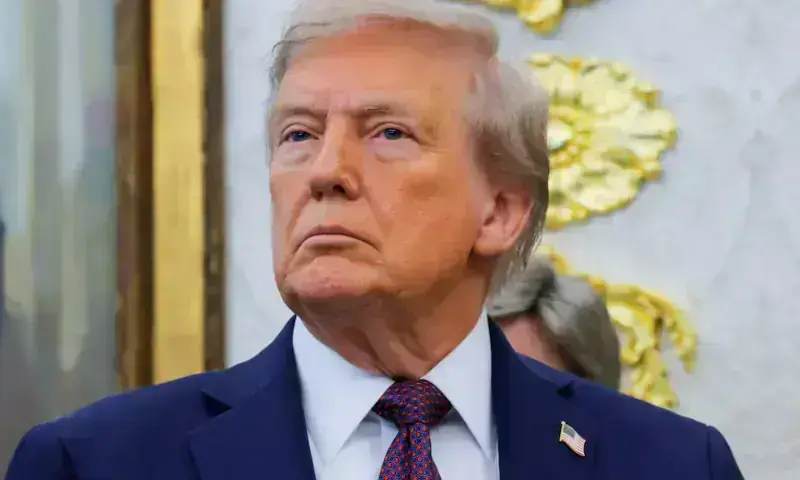
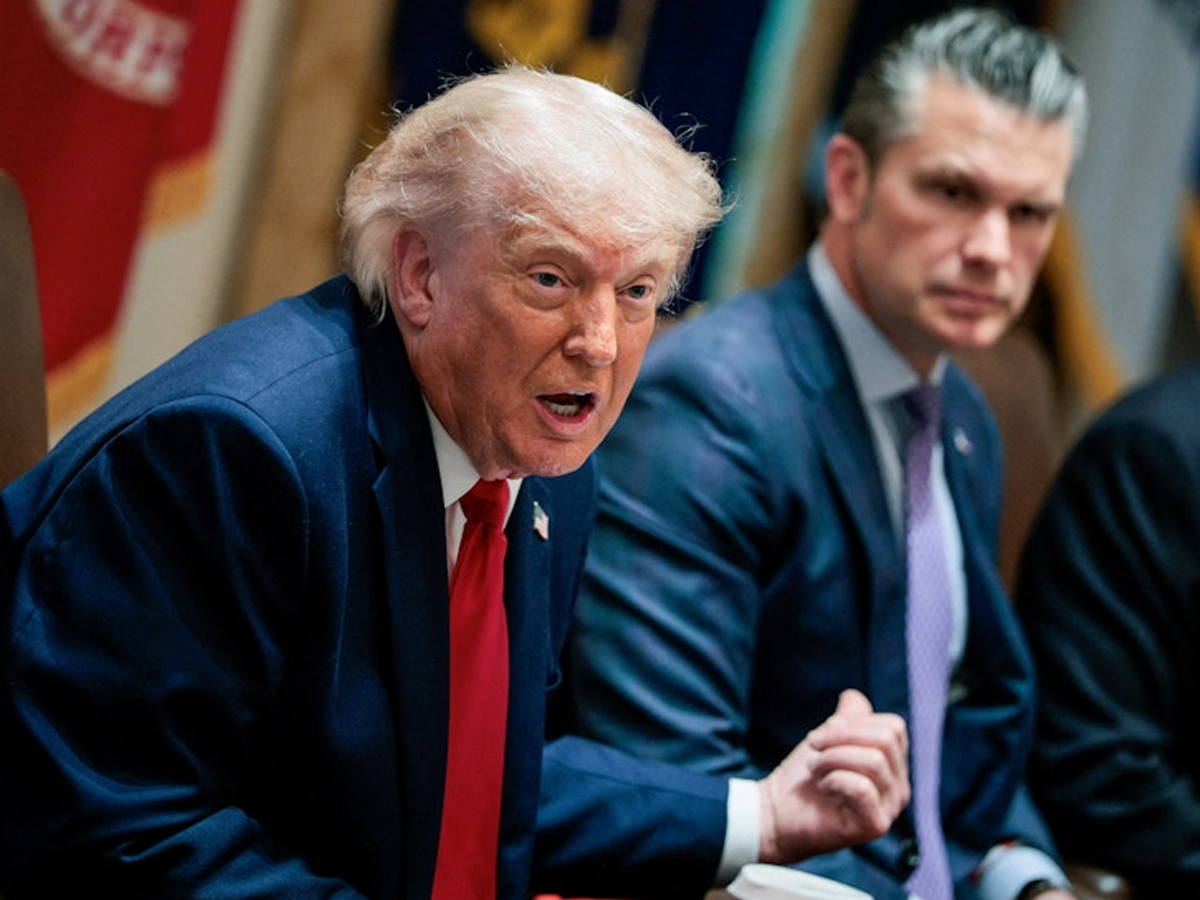
WASHINGTON: President Donald Trump is facing a key legal deadline on Friday over US military action against Iran, as his administration argues that a ceasefire has effectively ended hostilities for the purposes of the War Powers Resolution.
Under the War Powers Resolution of 1973, a US president must end military action within 60 days of notifying Congress unless lawmakers approve the operation. The Trump administration formally notified Congress on March 2 after joint US-Israeli strikes launched on February 28, setting a May 1 deadline.
Administration officials, however, say the deadline may not apply because a ceasefire with Iran has been in place since April 7. A senior official told reporters that the conflict had terminated for War Powers purposes, while US Defence Secretary Pete Hegseth told Congress on Thursday that the statutory clock pauses or stops in a ceasefire.
That interpretation has drawn objections from lawmakers and legal experts, who say the War Powers Resolution does not contain any provision allowing the 60-day period to be suspended because of a truce. Democratic Senator Tim Kaine rejected the administration’s position, saying the statute does not allow the president to suspend the 60-day limit based on a ceasefire.
The law was enacted after the Vietnam War to limit a president’s ability to keep US forces in prolonged conflict without legislative oversight. It requires the president to secure congressional authorisation or withdraw forces within 60 days, with a possible 30-day extension in limited circumstances.
Legal analysts have questioned the administration’s reliance on what critics describe as a ceasefire loophole. They note that the law does not mention ceasefires as a basis for pausing or restarting the clock, particularly when pressure continues through other means, including a naval blockade. Some legal scholars have also pointed out that earlier presidents have stretched or ignored the law, at times arguing that it is unconstitutional or does not apply to limited military operations.
Critics say that argument is more difficult to sustain in the current confrontation with Iran because it has involved sustained strikes and economic warfare.
Congress remains divided
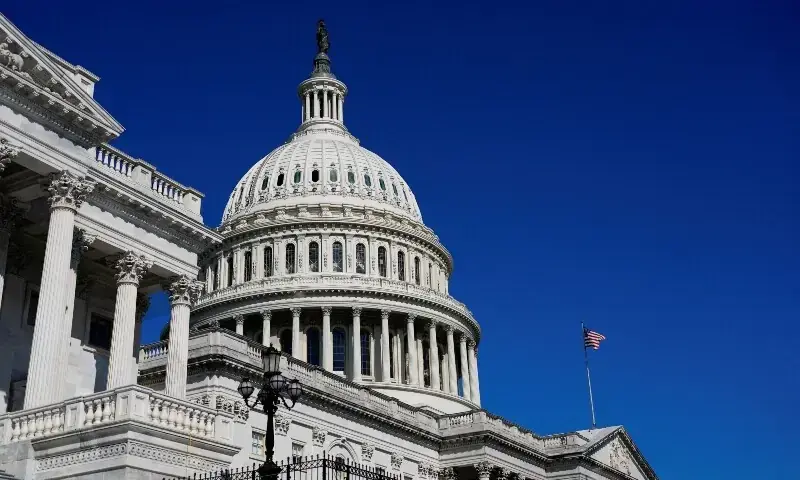
The response in Congress has remained sharply split. Democrats have repeatedly introduced resolutions seeking to force the administration either to obtain authorisation or end military operations, but those efforts have failed in both chambers, largely along party lines.
Republicans, who hold narrow majorities in Congress, have mostly supported the president or avoided a direct challenge. Senate Majority Leader John Thune indicated there are no immediate plans to hold a vote authorising the war. At the same time, some Republicans have voiced concern. Senator Susan Collins said the 60-day limit is not a suggestion; it is a requirement, and warned that any further military action should have both a clear strategy and congressional approval.
The dispute reflects a longstanding constitutional struggle in the United States over war-making powers. While the president is commander-in-chief, the Constitution gives Congress the authority to declare war.
Ceasefire remains fragile
The legal debate is unfolding against the backdrop of a fragile and incomplete ceasefire between the United States and Iran. Although direct military exchanges have paused, both sides are continuing to apply economic and strategic pressure.
Iran has effectively restricted shipping through the Strait of Hormuz, a major route for global energy supplies, while the United States has responded with a naval blockade targeting Iranian oil exports. The standoff has added to volatility in oil markets, with prices rising in recent days amid concerns about prolonged disruption.
Diplomatic efforts have not yet produced a breakthrough. Speaking at the White House, Trump dismissed suggestions that negotiations had stalled and said only a small group of officials knew the details, while insisting that "Iran wants to make a deal badly."
At the same time, US military planners are preparing options in case the ceasefire breaks down. Reports indicate that US Central Command has prepared plans for a short and powerful wave of strikes intended to push Iran back to negotiations. Other options under consideration include securing Iran’s stockpile of highly enriched uranium or expanding control over key maritime routes.
Analysts say the administration may ultimately ignore the deadline or argue that the ceasefire ended one phase of the conflict and began another, effectively resetting the legal clock. Such a step would likely deepen the legal and political dispute between Congress and the White House.
Comments
No comments yet. Be the first to join the discussion!