March 4, 2026
US Congress Debates Measures to Limit President Trump's War Powers on Iran
The US Congress is considering resolutions to limit President Trump's authority to expand military operations against Iran without explicit congressional approval. Both the Senate and House are set to debate these measures this week.

March 4, 2026
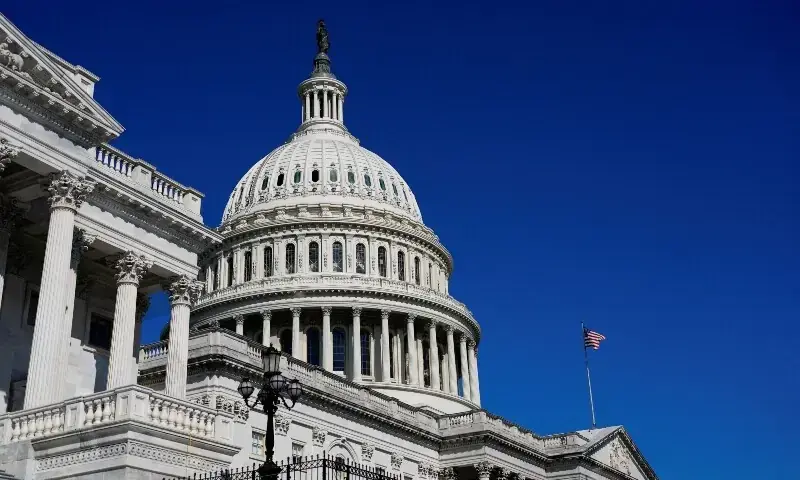
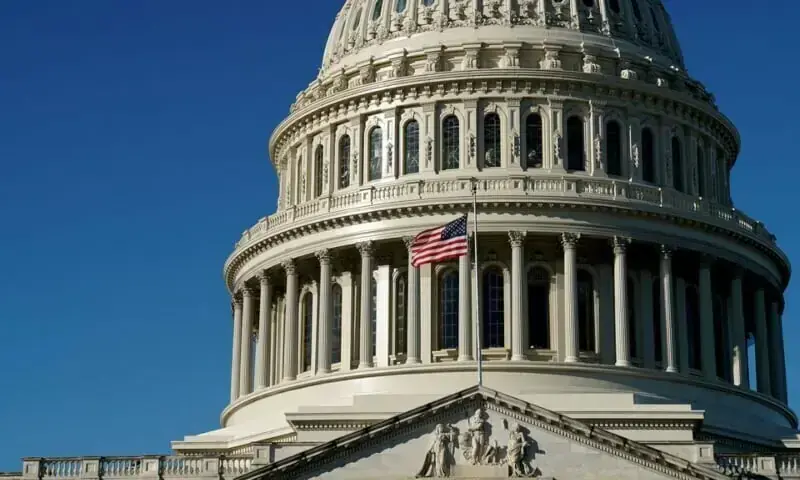
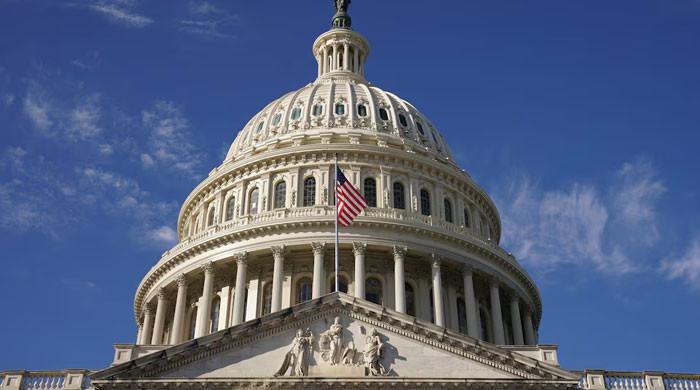
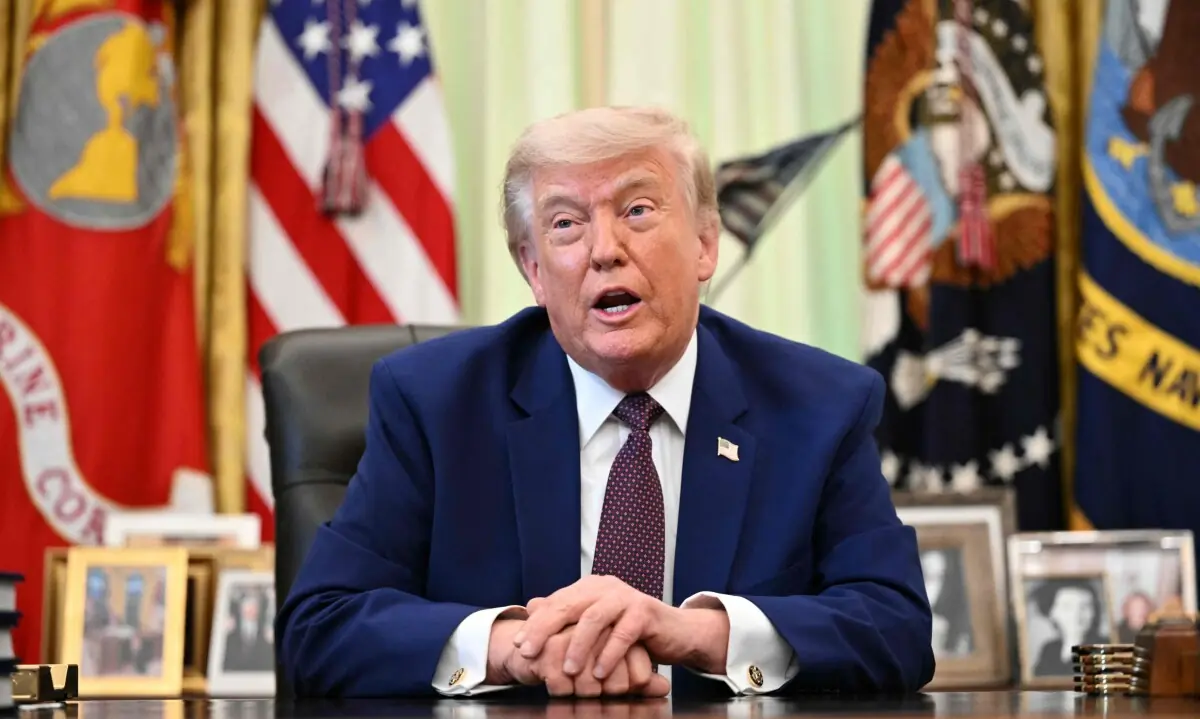
The United States Congress is set to deliberate on a series of legislative measures this week that seek to restrict President Donald Trump's authority to expand military operations against Iran without explicit approval from lawmakers.
Senate Resolution Invokes War Powers Act
One of the key proposals under consideration is a Senate resolution led by Senator Tim Kaine, a Democrat from Virginia. The resolution invokes the War Powers Resolution of 1973, which was established during the Vietnam War era to limit the president's ability to engage in military conflict without congressional consent. If passed, the resolution would require the termination of U.S. armed forces' involvement in hostilities against Iran unless Congress authorizes continued engagement.
“The Constitution says we’re not supposed to be at war without a vote of Congress,” Senator Kaine said. “The lives of our troops are at risk. We ought to come back to Washington right away and vote on this.”
Competing Measures in the House
In the House of Representatives, two competing measures have been introduced with bipartisan support. Representative Ro Khanna, a Democrat from California, and Representative Thomas Massie, a Republican from Kentucky, have put forward a resolution directing the president to remove U.S. military forces from hostilities against Iran unless Congress provides specific authorization.
These legislative efforts reflect growing concern among lawmakers about the scope of presidential war powers and the need for congressional oversight, particularly in relation to potential military action involving Iran.
Next Steps
The Senate and House are expected to debate and vote on these measures in the coming days. The outcome of these deliberations could have significant implications for the administration's ability to conduct military operations without direct congressional approval.
The discussions highlight an ongoing debate within the U.S. government over the balance of power between the executive and legislative branches when it comes to decisions of war and peace.
0 Comments
No comments yet. Be the first to join the discussion!