Power supply improves during peak hours as hydel output increases
The Power Division said electricity generation and supply remained relatively stable during peak hours on April 28, supported by higher hydel output and additional local gas. Limited load management continued for 25 minutes to one hour before demand eased after 8pm.

ISLAMABAD: The Power Division said on Wednesday that electricity generation and supply remained relatively steady during peak hours on April 28, helped by higher hydel production and the availability of additional local gas for some power plants.
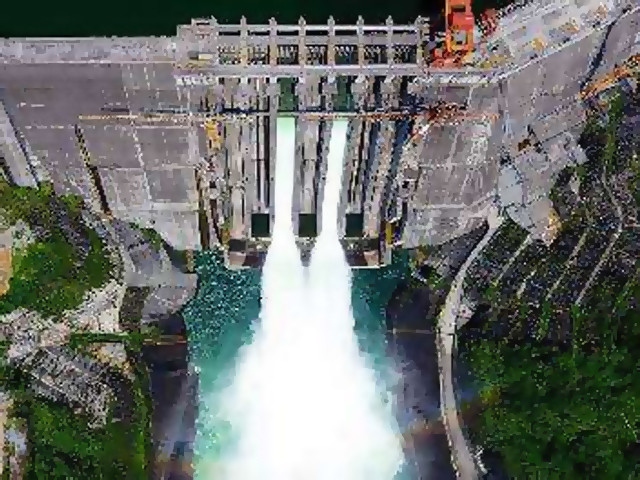
According to a spokesperson for the division, hydel generation during peak time reached 6,000 megawatts, compared with the country’s installed hydel capacity of 11,500MW.
The spokesperson said electricity production also improved after certain power plants received extra supplies of locally produced gas. The combination of increased hydel generation and better local gas availability contributed to greater stability in the national grid.
Officials said this improvement was particularly supported by better transmission from the southern region. As a result, the system was able to add another 100MW to the central grid, while a total of 500MW was transmitted from the south.
Load management eased after 8pm
Despite the better supply situation, distribution companies continued limited load management during peak night hours. The Power Division said the duration of load management ranged from 25 minutes to one hour.
However, the division added that electricity demand declined after 8pm because of weather conditions, and no load management was needed after that point.
The latest update from the Power Division indicates an improvement in supply conditions during high-demand hours, with hydel output and local gas support helping the system maintain stability.
The spokesperson’s statement focused on the operating position recorded on April 28, when the grid remained under control during the evening peak and transmission from the south contributed to balancing supply in the central system.
While some consumers still faced short periods of load management earlier in the night, the reduction in demand later in the evening allowed the system to continue without further curtailment, according to the division.
The Power Division’s account attributed the improved conditions to two main factors: stronger hydel generation and additional local gas made available to selected power plants. It said these elements helped support generation levels and improve the overall supply position during peak hours.
The division said the national grid benefited from these developments, especially through improved transmission flows from the southern part of the country, which helped reinforce supply to the central grid during the peak period.
Comments
No comments yet. Be the first to join the discussion!