Power supply remains strained during peak hours amid low water use, LNG shortage
Power supply remained under pressure during peak hours as lower provincial water demand and LNG shortages reduced generation. Officials said load management continued despite some improvement in urban supply.

ISLAMABAD: Electricity generation and supply continued to face pressure during peak hours, with lower provincial demand for water releases and limited fuel availability affecting output, officials said on Thursday.
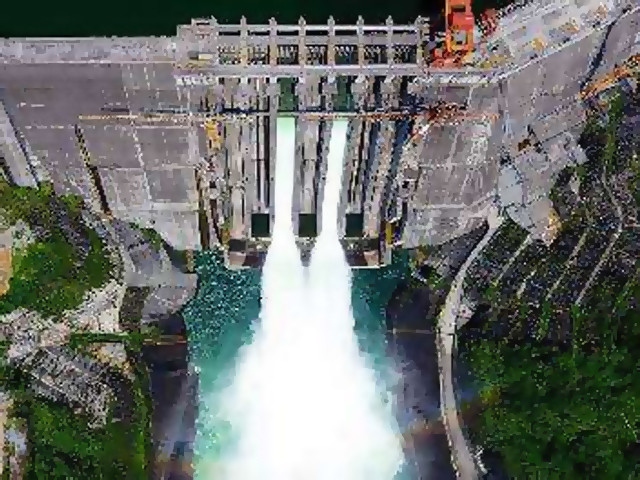
A spokesperson for the Power Division said hydropower generation reached 4,950 megawatts during the previous night’s peak period through water releases from dams driven by provincial demand. He said that against the country’s total installed hydropower capacity of 11,500MW, actual production remained nearly 6,000MW below potential, mainly because provinces were drawing less water.
The spokesperson said 400MW of electricity was still being transmitted from the southern region to the central grid, which was helping support system stability. Even so, distribution companies carried out load management of between two and two-and-a-half hours during peak demand.
He said economic load management on high-loss feeders would continue in line with policy, adding that this was separate from load management carried out during peak hours.
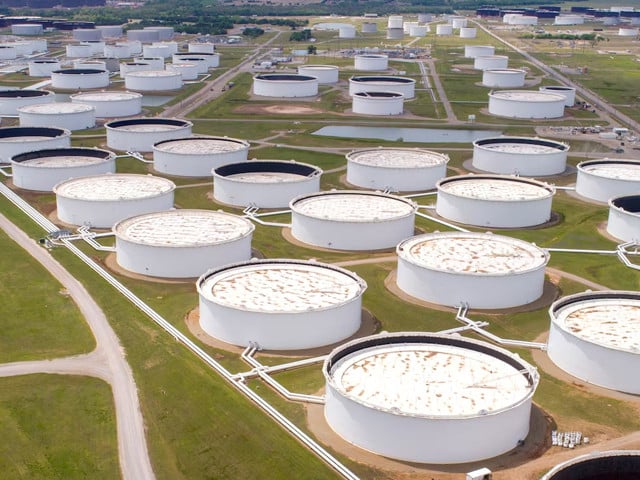
According to the spokesperson, better availability of liquefied natural gas would help remove peak-time load management. He said around 5,500MW of generation capacity was currently lying idle because of LNG shortages.
He also urged consumers to conserve electricity during nighttime hours to help manage rising demand, saying that global conditions and lower water utilisation were contributing to shortages at night.
Urban supply shows some improvement
Officials said there had been some improvement in electricity supply in urban areas, although load management was still being implemented.
Separately, the Lahore Electric Supply Company reported an overall improvement in power supply, including a visible reduction in load management during night hours.
According to LESCO, electricity demand from 5pm to midnight averaged 3,787MW, while supply stood at 3,053MW, leaving a gap of 682MW.
LESCO said uninterrupted electricity was provided to independent industry during that period, while feeders dominated by commercial and industrial consumers faced two hours of load management.
The latest figures indicate that while supply conditions have improved in some areas, the power system remains under strain during high-demand hours because of reduced hydropower generation and fuel constraints.
Officials linked the hydropower shortfall to lower water demand from provinces, while also pointing to LNG shortages as a major factor limiting thermal generation. Consumers have been advised to adopt energy-saving practices at night as authorities try to manage the gap between demand and available supply.
Comments
No comments yet. Be the first to join the discussion!