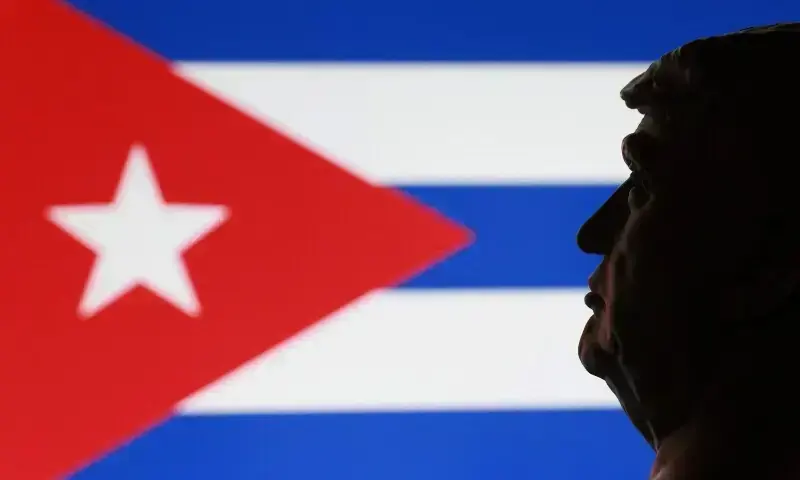
US Senate blocks Democratic bid to restrict Trump on Cuba action
The US Senate voted 51-47 to block a Democratic resolution that would have barred President Donald Trump from military action against Cuba without congressional approval. Republicans said no active hostilities exist, while Democrats argued US actions already amount to military force.

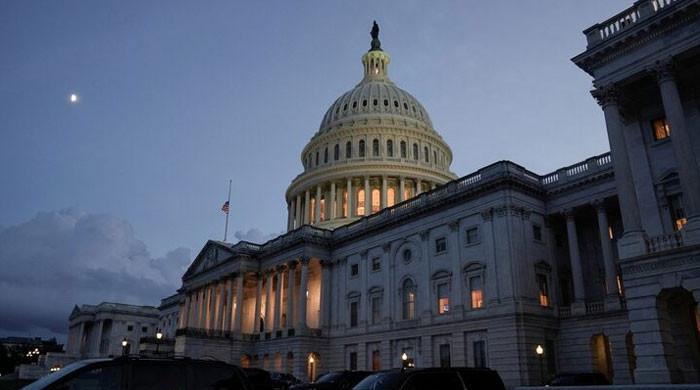
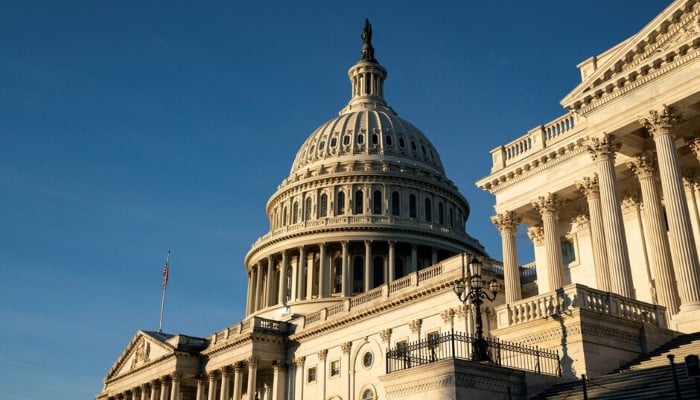
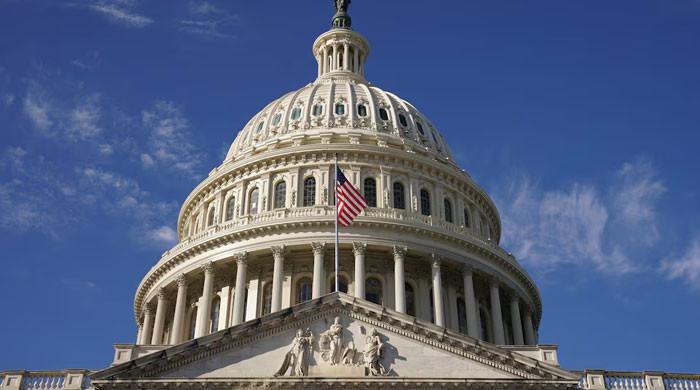
WASHINGTON: The Republican-controlled United States Senate on Tuesday stopped a Democratic-backed effort that sought to bar President Donald Trump from taking military action against Cuba without approval from Congress.
The chamber voted 51-47, largely along party lines, on a procedural step that prevented the war powers resolution from moving forward. Republicans argued that such a vote was not warranted because there are no active US hostilities involving Cuba.
Republican Senator Rick Scott of Florida, who raised the point of order that halted the measure, said a war powers vote was not suitable because Trump had not sent troops.
Democratic Senator Tim Kaine of Virginia, one of the main sponsors of the resolution, had maintained that US efforts to halt fuel shipments to the Communist-ruled island amounted to military action. “If anyone were doing to the United States what we are doing to Cuba, we would definitely regard it as an act of war,” Kaine said in a Senate speech before the vote.
Debate over presidential war powers
Under Trump, US forces have carried out strikes on boats off Venezuela and entered Caracas to seize President Nicolas Maduro. The United States, together with Israel, has been at war with Iran since February 28, all without authorisation from Congress.
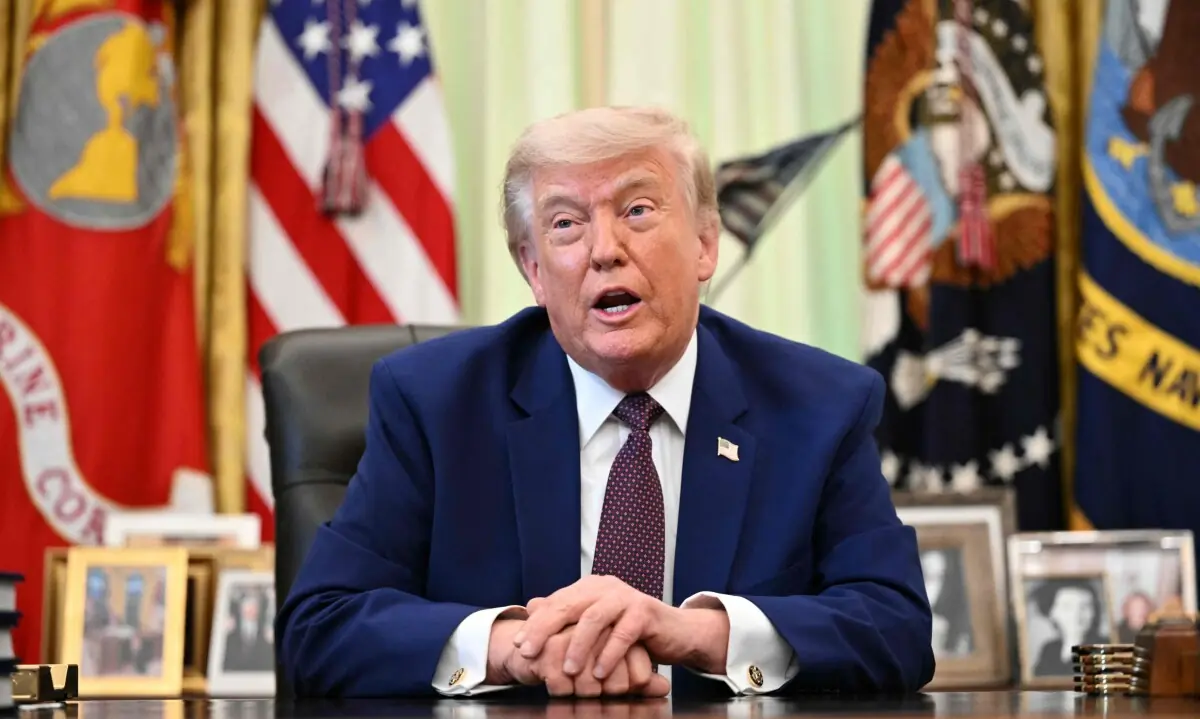
Trump has said “ Cuba is next ”. He did not spell out what action he intended to take regarding Cuba, but has repeatedly said he believes the island’s government is close to collapse.
Democrats in both the Senate and the House of Representatives have repeatedly tried to compel Trump to seek congressional authorisation for military operations. Those efforts have failed, with Republicans, who hold narrow majorities in both chambers, voting almost unanimously against such resolutions.
Republicans have accused Democrats of trying to use the War Powers Act to weaken Trump politically.
While the US Constitution gives Congress, rather than the president, the authority to declare war, that limitation does not apply in cases of short-term military operations or when responding to an immediate threat.
The White House has said Trump’s actions fall within his authority and duty as commander-in-chief to defend the United States.
Partisan divide remains sharp
The vote underscored the continuing divide in Washington over the scope of presidential military authority. Democrats argued that Congress should have a direct role in authorising military action, while Republicans said the resolution was misplaced in the absence of troop deployment or active hostilities against Cuba.
The failed measure is the latest in a series of unsuccessful Democratic attempts to place limits on Trump’s use of military force through congressional action.
Comments
No comments yet. Be the first to join the discussion!