April 29, 2026
Registered HIV cases hit 84,000 as 23,000 patients untraceable: health minister
Health Minister Mustafa Kamal says Pakistan has 84,000 registered HIV cases, with no new case reported from Taunsa this year. He also raised concerns over Global Fund allocations and data-sharing by NGOs.

April 29, 2026
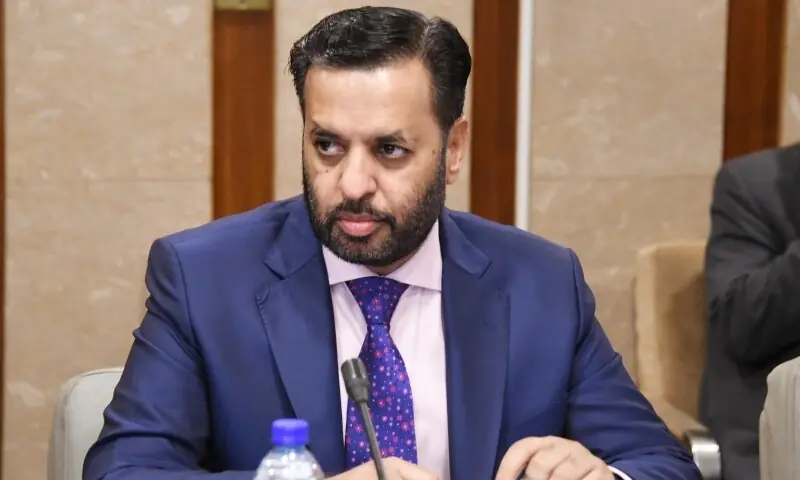
ISLAMABAD: Pakistan is facing a dual challenge in its HIV response, with the number of registered cases reaching 84,000 while a significant portion of patients remain untraceable and outside the treatment net, Health Minister Mustafa Kamal said on Tuesday.
Addressing a press conference, the minister said that of the total registered cases, around 61,000 patients were currently receiving treatment, while approximately 23,000 could not be traced, raising concerns about continued transmission risks.
He stressed that HIV is a treatable condition and medicines are available free of cost at government facilities, warning that patients who are not under treatment may unknowingly contribute to the spread of the virus.
The minister said Pakistan’s screening capacity had expanded significantly in recent years, with the number of testing centres increasing from 49 in 2020 to 97 in 2025. During this period, annual testing rose from 37,944 individuals to over 374,000, with detected cases also increasing accordingly.
Despite the rise in detected cases, he maintained that the overall prevalence rate in Pakistan remained at 0.1 per cent, lower than the global average of 0.5 per cent. However, he acknowledged that estimates suggest the actual number of infections in the country could be as high as 369,000.
Raising concerns over funding transparency, the minister said that under a $65 million HIV programme for 2024–2026, the bulk of funds had been allocated to external organisations, including the United Nations Development Programme and an NGO, with limited visibility for the government on how the money was being utilised.
He also pointed to unsafe medical practices, particularly the reuse of syringes, as a key driver of HIV transmission, announcing plans to ban reusable 10cc syringes to curb infections.
Referring to recent reports about an outbreak in Taunsa, the minister said the cases dated back to 2024 and that no new infections had been reported there this year. He added that corrective measures had already been taken following the earlier surge.
Officials say the widening gap between registered and treated patients remains one of the most pressing challenges, as authorities attempt to expand screening, improve patient tracking and ensure sustained access to treatment across the country.
0 Comments
No comments yet. Be the first to join the discussion!