Energy security
NEPRA waives solar licensing fees for small prosumers, while the IMF backs a new gas captive power levy formula. The moves ease tariff pressure and improve energy security, but high tariffs and punitive loadshedding still drive power theft.

Solar power and gas-powered generation get relief
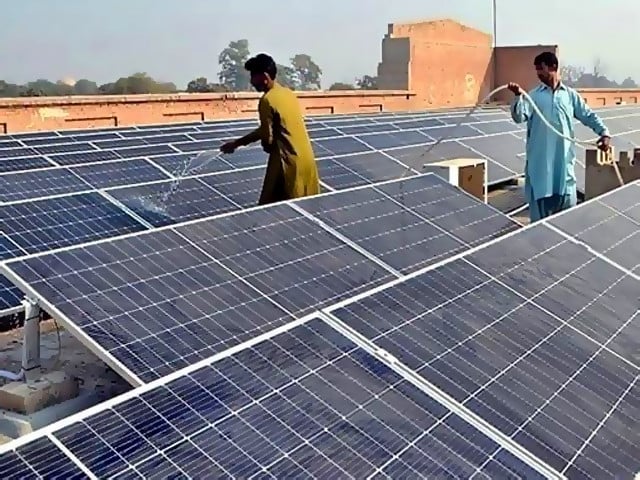
Even as the National Electric Power Regulatory Authority waived its licensing fee for all solar-power prosumers below 15 kW, the IMF has approved a Petroleum Ministry proposal to change the formula for calculating the captive power levy on gas. The basic problem in both cases is the high electricity tariffs, which include the capacity payments paid to private power plants, which are oil-fired. Desperate consumers have tried to escape the tariff by finding other sources of supply, which includes solar power, mainly (but not entirely) for domestic consumers, and gas-fired generation for textile units. Both developments are encouraging for they will tend to increase the country’s energy security, but will not entirely remove the pressure created by the high power tariff.
As for the licensing fee now foregone, it removes some of the insult from the injury of the cut in the buyback tariff, but not all. The fact of the matter is that the solarization of consumers prevented a major foreign exchange crisis caused by the need to pay for the oil imports at a higher rate. The recalculation of the gas captive power levy, which should result in a substantial reduction, is being done to compensate CPPs for the shortage of LNG, caused by the Gulf War. However, such strong-arm prevention of use of alternative power has been linked to electricity demand from the grid not going down. For the first time, grid power is to have a guaranteed use.
This makes the first time that the distribution companies are to be guaranteed demand, even if their tariff is exorbitant.
NEPRA has once again noted that, despite its having been declared illegal at various judicial fora, the practice of punitive loadshedding continues, even when there is no shortage of electricity to justify the loadshedding. Instead of paying any attention to their own inefficiencies and line losses, the DISCOs are doing roughly what the police do to force an accused to surrender: arrest one or both of his parents, or rather, take them into illegal custody. Power is not stolen because the consumer is naturally vicious, but because the tariff is too high. As long as DISCOs keep using imported oil for generation, try working against solarization or gasification, even though they should have used these routes themselves, and avoid fixing their own inefficiencies, they will face power theft on the present scale.

The Editorial Department of Pakistan Today can be contacted at: [email protected].
View all articles →Comments
No comments yet. Be the first to join the discussion!