Govt eyes Russia, Nigeria and Venezuela for fuel amid supply disruption
Pakistan is exploring fuel imports from Russia, Nigeria and Venezuela and seeking LNG cargoes after supply disruptions linked to Middle East tensions. The government has also ordered a review of the oil supply chain.

ISLAMABAD: Pakistan is scrambling to secure alternative fuel supplies and prevent a deepening energy crisis as disruptions linked to the Iran-US conflict choke key import routes, forcing authorities to turn to the global market for liquefied natural gas (LNG) and oil.
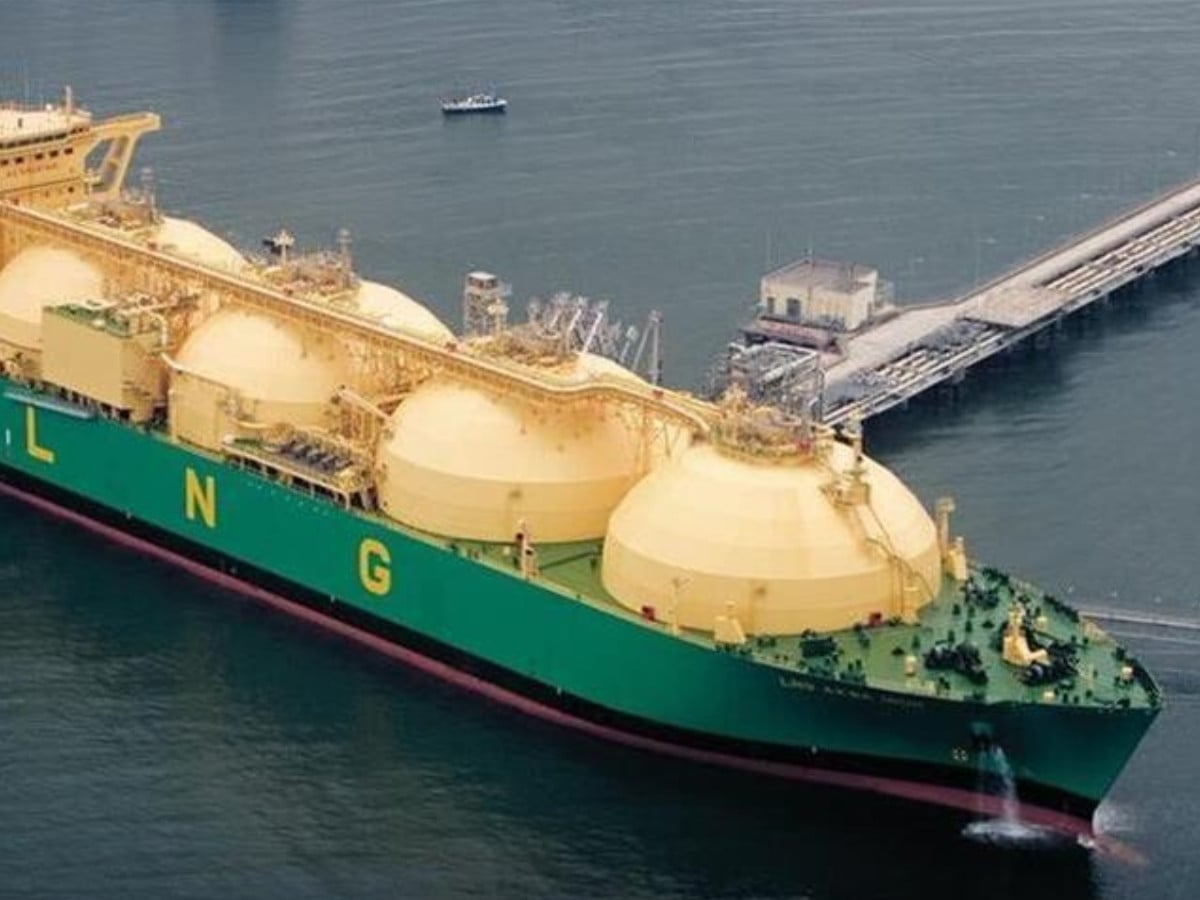
In a key move, Pakistan LNG Limited (PLL) has floated a tender for three LNG cargoes — its first such spot purchase in over two years — after Qatar declared force majeure and halted shipments amid escalating regional tensions.
The disruption stems largely from instability in the Strait of Hormuz, a critical global energy corridor, where conflict-related restrictions have slowed or blocked fuel shipments. The chokepoint handles a significant share of global oil and gas flows, making Pakistan particularly vulnerable due to its heavy reliance on imports.
Officials say the country is already facing load shedding as LNG-based power plants struggle with fuel shortages, contributing to an estimated electricity shortfall of up to 6,000 megawatts. LNG is a key component of Pakistan’s energy mix, powering a substantial portion of electricity generation.
Traditionally dependent on oil imports from Gulf suppliers such as Saudi Arabia, the UAE and Kuwait, Pakistan is now exploring alternative sources, including Russia, Nigeria and Venezuela, as supply chains come under pressure.
State-run Pakistan State Oil (PSO) has reportedly imported diesel at a record premium of up to $34 per barrel, highlighting the cost pressures emerging from disrupted supply routes.
The issue was taken up by the executive committee of the National Coordination and Management Council (NCMC), which has directed the Petroleum Division to explore diversified sourcing options, while evaluating crude compatibility with domestic refineries.
Authorities have also tasked Oil and Gas Regulatory Authority (OGRA), in coordination with the Ministry of IT and provincial stakeholders, to map the oil supply chain and develop a centralised system aimed at improving monitoring and preventing hoarding or misreporting.
The crisis reflects Pakistan’s structural exposure to external energy shocks. Analysts warn that disruptions in the Gulf — particularly around Hormuz — can quickly translate into domestic shortages, higher fuel costs and prolonged power outages.
With summer demand rising and global LNG prices already surging due to the conflict, officials fear that delays in securing cargoes could worsen load shedding and inflate electricity costs in the coming months.
Comments
No comments yet. Be the first to join the discussion!