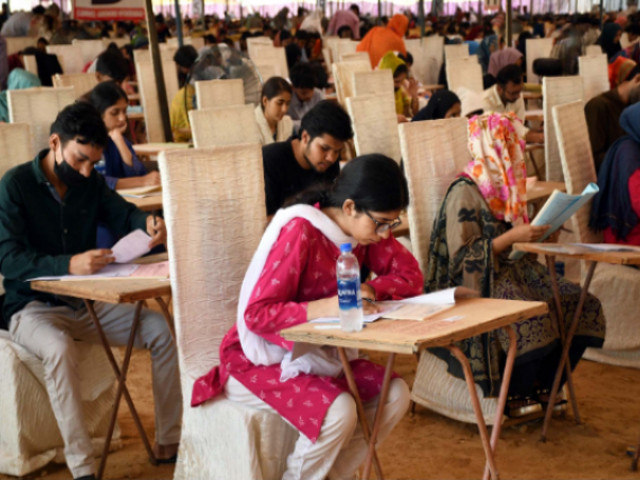
PMDC juvenile ID requirement for MDCAT 2026 draws criticism from parents
The PMDC’s decision to require Juvenile Registration Cards for under-18 MDCAT 2026 candidates has drawn criticism from parents over added costs and long queues. The council says the move is part of digitisation and public sensitisation.

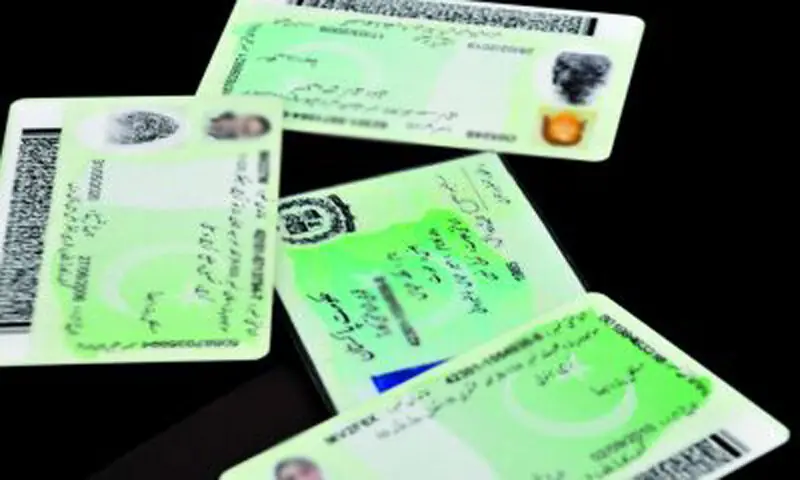
ISLAMABAD: The Pakistan Medical and Dental Council’s decision to make a valid Juvenile Registration Card mandatory for under-18 candidates appearing in the Medical and Dental Colleges Admission Test (MDCAT) 2026 has prompted concern among parents and students.
Under the new requirement, candidates below the age of 18 will have to present a valid card issued by the National Database and Registration Authority to sit the exam. The council has also made biometric verification compulsory at test centres for MDCAT-2026.
The move is expected to affect a large number of applicants, as around 200,000 candidates take the mandatory admission test each year for entry into public and private medical and dental colleges.
Parents raise cost and access concerns
Parents said the decision has created additional financial and practical difficulties, particularly for families already struggling with expenses.
Sohail Jamil, the father of a candidate, said his daughter would still be under 18 on the date of the test and therefore would need the document, adding, "I am already hand to mouth and now PMDC has been pushing me to spend more amount on the Juvenile Registration Card. It is nothing but unfortunate."
He suggested that the council should review the requirement and instead ask candidates to produce their original matriculation mark sheet, saying it already carries the student’s photograph.
Another parent, Bilal Ahmed, said the cards would remain valid only for a short period for many candidates who are close to turning 18. He said that if 17-year-old students obtain the card by standing in long queues and spending time and money, the cards will be expired in one year once they reach adulthood.
He also said the regulator should consult stakeholders before introducing such measures as around 200,000 candidates and their parents will be badly affected by the decision.
PMDC says move is part of digitisation push
Responding to the concerns, PMDC Registrar Dr Rehan Naqvi said the measure had been taken for the sensitisation of masses and formed part of a wider effort toward digitisation.
According to Dr Naqvi, the council had issued a similar instruction during the previous MDCAT, but it was not enforced at the time. "We had given a similar direction during the last MDCAT but candidates, who lacked Juvenile Registration Cards or CNICs, were allowed to appear in the test," he said.
He acknowledged that the council was aware many of the cards would expire within a year for applicants nearing the age of 18. However, he defended the policy, saying that the notification will encourage masses to have Juvenile Registration Cards for their children which are quite beneficial.
The requirement and the introduction of biometric verification come ahead of MDCAT-2026, with parents continuing to question the added burden the policy may place on families seeking admission for their children to medical and dental colleges.
Comments
No comments yet. Be the first to join the discussion!