KP CM approves AI Education Authority, expands virtual schooling plan
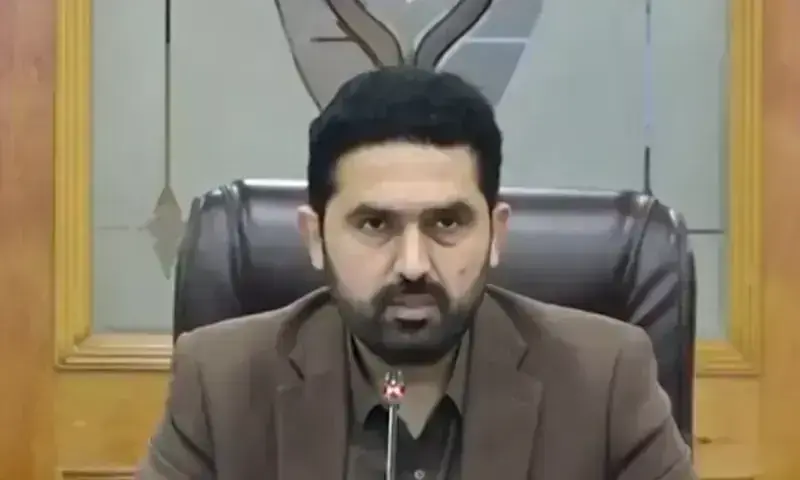
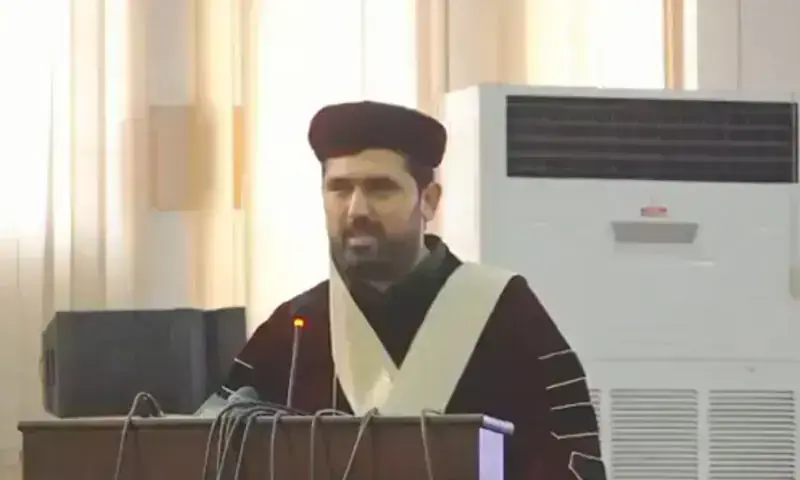
KP Chief Minister Sohail Afridi has approved the establishment of the AI Education Authority and reviewed plans for virtual schools and AI-based teaching. Officials said 46 schools are already part of the pilot project, with 175 more to be added in the next phase.

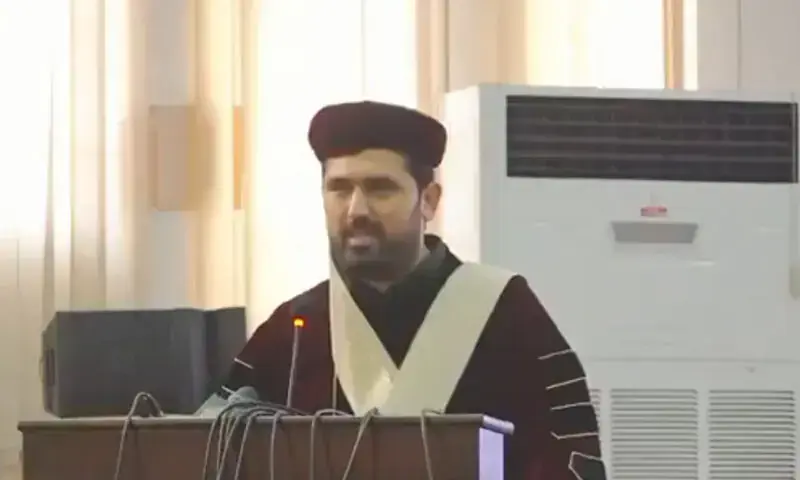
PESHAWAR: Khyber Pakhtunkhwa Chief Minister Sohail Afridi on Tuesday reviewed progress on education sector reforms, including the establishment of virtual schools and the rollout of artificial intelligence-based teaching systems across the province.
According to an official handout, the chief minister chaired a meeting of the Elementary and Secondary Education Department, where participants were briefed on the government’s plan to set up Pakistan’s first public-sector virtual school and launch an AI Teacher programme as part of a broader effort to modernise education.
During the meeting, Mr Afridi approved the creation of the AI Education Authority and directed the relevant authorities to complete the required groundwork for making it operational.
He also said that overseas students and out-of-school children studying through the virtual school system should be treated as regular students in order to widen access to education and promote inclusivity.
The chief minister said the introduction of virtual schools and AI teacher systems had become essential in the current era, describing the initiative as a game-changer for students from remote and underdeveloped areas.
He said artificial intelligence-driven educational technologies would help create personalised learning opportunities for students, while AI-based instructional support would ease teachers’ workload and improve the quality of classroom teaching.
Mr Afridi praised the Elementary and Secondary Education Department and the Elementary and Secondary Education Foundation for introducing reforms aligned with modern educational needs and emerging global trends.
Pilot project and expansion plan
Officials informed the meeting that, on a pilot basis, online learning systems had already been introduced in 46 government schools across the province. Of these, 33 schools are located in settled districts and 13 in merged districts.
Participants were also told that a dedicated scheme to expand virtual schools would be included in the upcoming Annual Development Programme in June. Under the next phase, another 175 schools are to be converted into virtual schools.
Officials said a central digital teaching studio had been established under the project, with facilities for live interactive classes and lecture recording.
They added that, through the AI Teacher system, teaching is currently being provided in English, Mathematics, Physics, Chemistry and Biology. The platform, they said, would remain available around the clock in Urdu, English and Pashto.
Project cost and official participation
Officials further told the meeting that the project has a total approved cost of Rs153.8 million. Out of this amount, Rs44.85 million has been allocated for the establishment of the Tele Education Centre.
The chief minister directed the authorities to speed up implementation of the initiative so that modern and quality educational facilities could be provided to students across the province in a timely manner.
The meeting was attended by Chief Secretary Shahab Ali Shah, Principal Secretary to the Chief Minister Amer Sultan Tareen, Elementary and Secondary Education Secretary Mohammad Khalid, Elementary and Secondary Education Foundation Managing Director Qaiser Alam, and other officials.
Comments
No comments yet. Be the first to join the discussion!