

Carrying a Green Passport: Reclaiming Pride in Pakistan
After years of visa hurdles and global suspicion, a ceasefire push in Islamabad brings renewed pride. The author credits quiet diplomacy and a possible “Islamabad Accord” for restoring Pakistan’s standing.

I was 20 when the world changed on September 11, 2001. As I prepared to travel abroad for the first time, the warnings from friends and family were relentless: “You won’t be able to travel easily, Usama. Not with that name, and certainly not with a Pakistani passport.” It was a bewildering burden to carry. Why should a young student be defined by the actions of a man who shared his name, a man once championed by the very powers that later declared him a pariah? Despite the skepticism, I went on to travel to over 35 countries. While I never faced the overt hostility many predicted, the "Green Passport" always felt like a heavy anchor, weighed down by decades of global suspicion and tough visa regimes.
For 25 years, I wrestled with a singular question: How did we fall this far?
Growing up, I marveled at the archives of Pakistan’s first three decades. We were a nation of consequence. Our diplomacy was formidable; POTUS, global royals and world leaders flocked to our cities. PIA was the gold standard of the skies. My home, Karachi, was a vibrant, modern metropolis, a city of trams, local trains and a public transport system that was the envy of the region. To see that glory fade into the dilapidated infrastructure of today’s Karachi is a heartbreak made worse by the toxicity of modern discourse. Today, if you critique the mess on social media, you are met not with solutions, but with a barrage of abuse from paid political trolls.
Yet, just as the weight of this decline felt most stifling, a moment of profound transformation occurred in Islamabad this week, one that might finally restore the prestige of the Green Passport.
The Night the World Held Its Breath
A few nights ago, the air in Islamabad was thick with a tension I haven’t felt in my entire career as an energy sector professional. The rhetoric between the United States and Iran had reached a terminal velocity. When the most powerful leader warned that “a whole civilization will die tonight,” the world braced for a conflict that would have decimated global energy markets and destabilized the region for generations. Until 2:00am that night, I was huddled with fellow Pakistani refiners, the Petroleum Minister and government officials. We weren't just discussing policy; we were planning for survival, strategizing how to secure Pakistan's oil needs if the Strait of Hormuz became a graveyard of tankers.
Then, the tide turned.
In a move of calculated, courageous diplomacy, Prime Minister Shehbaz Sharif issued a call for a ceasefire, offering Islamabad as the neutral ground for peace dialogues. What followed was a masterclass in "Quiet Diplomacy." The positive response from both the White House and Tehran sent shivers down my spine. This wasn't just a tweet; it was the result of sleepless nights endured by Field Marshal Syed Asim Munir, the tireless efforts of Foreign Minister Ishaq Dar and a dedicated team of diplomats who understood that Pakistan’s greatest strength has always been its ability to bridge the unbridgeable.
When I saw a newspaper headline the next morning proclaiming “Pakistan Saves a Whole Civilisation”, I felt a pride that had been dormant for decades. Reading and hearing "Islamabad Accord" gives goosebumps; it is a testament to Pakistan’s return to the center stage of global leadership.
For years, we were blamed for things we didn't do. We were overlooked by those who couldn't even find us on a map. But today, the world is watching us with gratitude.
The Prime Minister, a man known for his appreciation of literature and poetry, has an opportunity to address the global stage and specifically the American leadership with a sense of fulfilled duty. After years of being told we "must do more," we did more. First, our defense capabilities were on centerstage when our forces neutralised multiple intruding aircraft in a display of precision, and now we have delivered the ultimate "more." We have delivered peace. If and when the Islamabad Accord is signed, the PM should look toward the West and echo the words of the great poets:
“Woh jo qarz rakhtay thay jaan par, woh hisaab aaj chuka diya.”
(The debt we owed with our lives, that account has been settled today.)
Pakistan is no longer a country defined by the names of the past; we are a nation that has secured the future. For the first time in in my life, the Green Passport doesn't feel like a burden. It feels like a badge of honor.
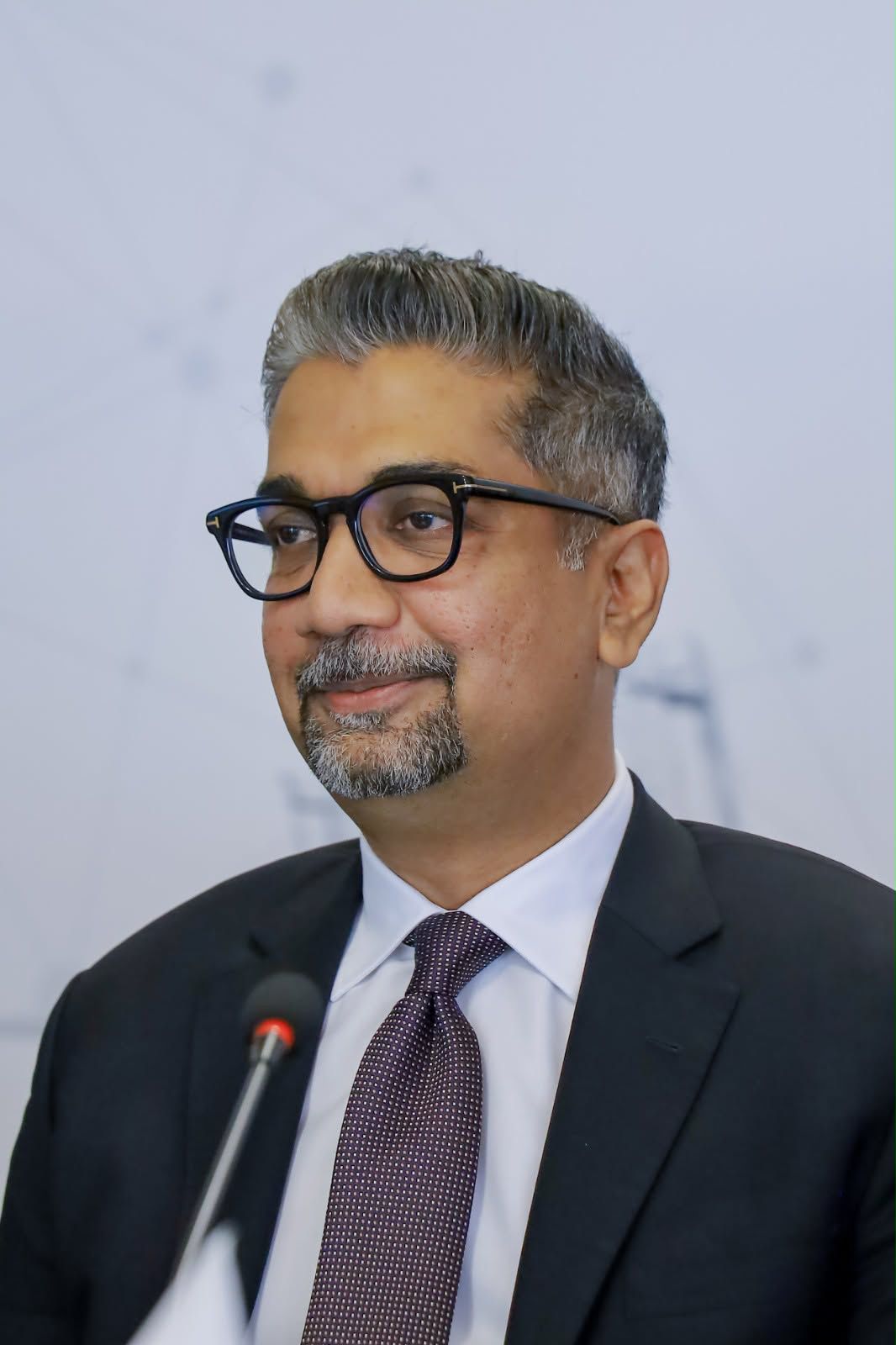
Usama Qureshi is a corporate leader with over two decades of experience in Pakistan’s corporate and energy sectors. He is a published columnist and writes on energy. He posts on X as @UsamaQureshy
View all articles →2 Comments
No comments yet. Be the first to join the discussion!


