Pakistan-Iran transit corridor becomes operational with first export shipment
Pakistan has launched trade operations under the Pakistan-Iran transit corridor, with the first frozen meat consignment sent to Tashkent via Iran. Officials say the route will support exports, improve connectivity and reduce transit costs.

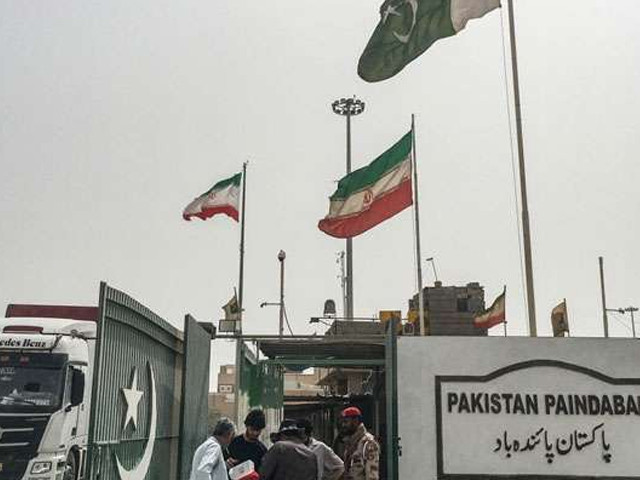
ISLAMABAD: Trade under the Pakistan-Iran transit corridor has formally started, with Pakistan dispatching its first export consignment through the route.
Director Transit Trade Customs Sanaullah Abro said the first shipment consisted of frozen meat and was sent to Tashkent, Uzbekistan, in refrigerated trucks. He said consignments from Pakistan would move through Gwadar and Iran onward to Central Asian countries under the corridor.
According to the Directorate of Transit Trade Customs, the corridor has been launched under the TIR (Transports Internationaux Routiers) system. The directorate said TIR procedures have been streamlined and major border crossing points, including Taftan, Rimdan, Sost and Gwadar, have been activated for TIR transit.
At a ceremony held for the launch, Director General Transit Trade Customs Sanaullah Abro and Director Transit Muhammad Rashid flagged off the first consignment.
Abro said making the corridor operational would help speed up Pakistan’s economic growth and increase traffic at the country’s ports. The corridor is being seen as an important development for Pakistan’s trade and transit sectors, with expectations that it will support exports and improve regional connectivity.
Sources said the route would give Pakistan an alternative and comparatively economical trade link, reducing dependence on sea-based routes. It is also expected to cut transit time and lower logistics costs significantly.
Route linked to broader trade ambitions
The opening of the corridor comes as Pakistan seeks to strengthen overland trade access to Central Asia. Under the new arrangement, exports from Pakistan can move through Iranian territory after passing via Gwadar, creating another option for regional transit.
The development was also reported alongside renewed expectations that Pakistan and Iran could revisit their gas and oil pipeline plans following peace talks between Iran and the United States.
Pakistan and Iran signed a commercial agreement during the Pakistan Peoples Party government in 2009. Later, in 2013, then Iranian president Mahmoud Ahmadinejad and former president Asif Ali Zardari inaugurated the gas pipeline project.
Iran has completed work on its side of the pipeline, while Pakistan has not yet started construction on its portion. Officials say Iran is prepared to extend the gas sale agreement by another 10 years, but Pakistan wants to put the project aside because of US sanctions on Tehran and weak domestic demand.
Past alternatives remained constrained
Over the years, Pakistan has examined other options as well. One proposal involved laying a liquefied natural gas pipeline to Gwadar, with an 80-kilometre extension to the Iranian border. A Chinese company had shown interest in constructing that pipeline, but sanctions continued to pose an obstacle.
The launch of the Pakistan-Iran transit corridor marks the beginning of formal trade activity on the route, with officials presenting it as a step aimed at improving trade flows and expanding Pakistan’s connectivity with regional markets.
Comments
No comments yet. Be the first to join the discussion!