Artemis II crew heads for Pacific splashdown after historic moon voyage
NASA’s Artemis II astronauts were heading back to Earth on Friday after completing the first crewed moon voyage in more than half a century. The mission is a key step toward a planned lunar landing later this decade.

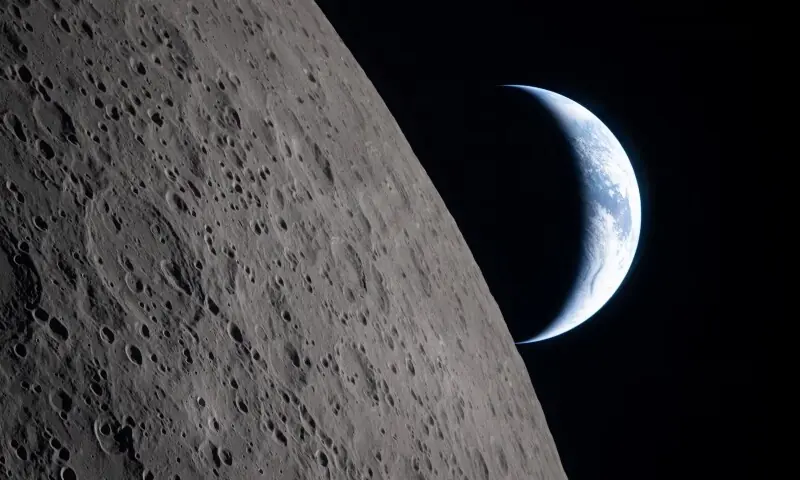
Washington: The four astronauts of NASA’s Artemis II mission were on course to return to Earth on Friday, concluding what was described as the first crewed journey to the moon in more than 50 years.
The astronauts were travelling aboard the Orion spacecraft, which was expected to complete its mission with a splashdown in the Pacific Ocean off Southern California. NASA said the final phase of the 10-day mission was set to begin with the separation of Orion’s crew capsule from its service module, followed by re-entry through Earth’s atmosphere and a six-minute communications blackout before parachutes bring the capsule down into the sea.
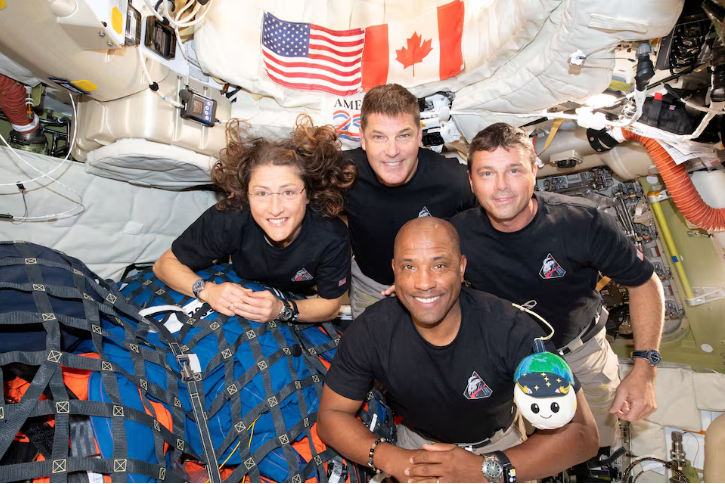
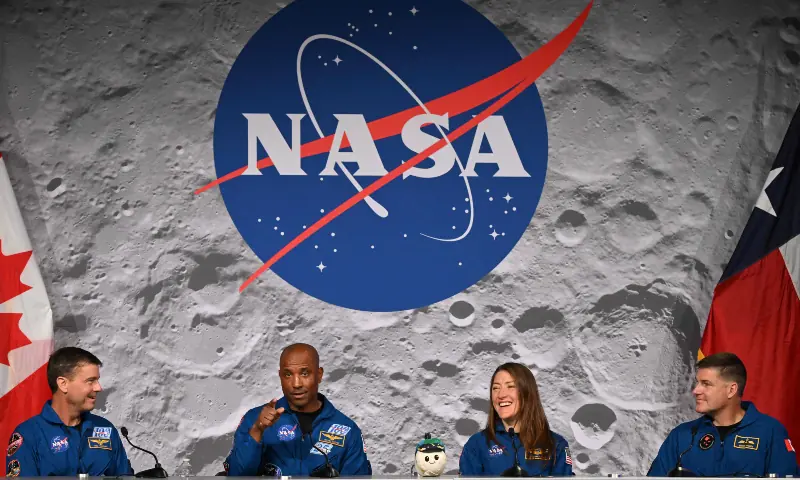
If the sequence proceeds as planned, US astronauts Reid Wiseman, Victor Glover and Christina Koch, along with Canadian astronaut Jeremy Hansen, were expected to land safely in the ocean aboard the capsule, named Integrity, shortly after 8 pm ET (0000 GMT) near San Diego.
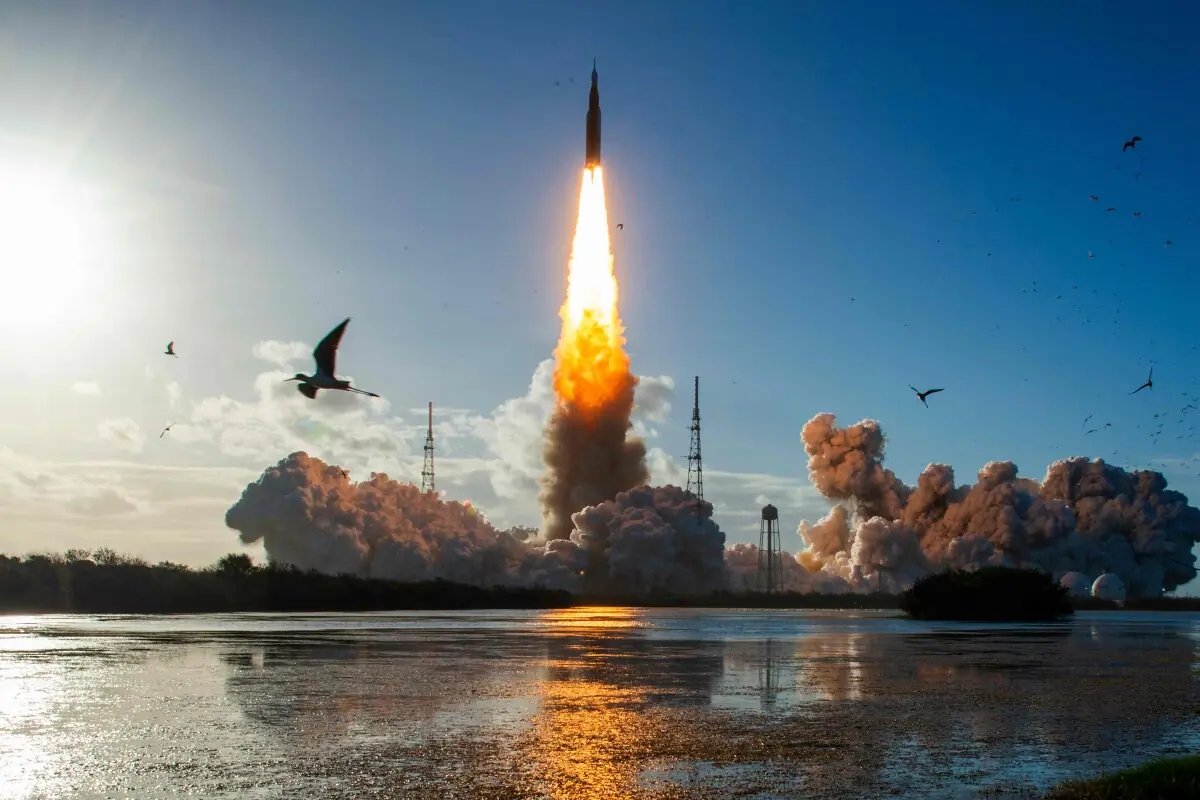
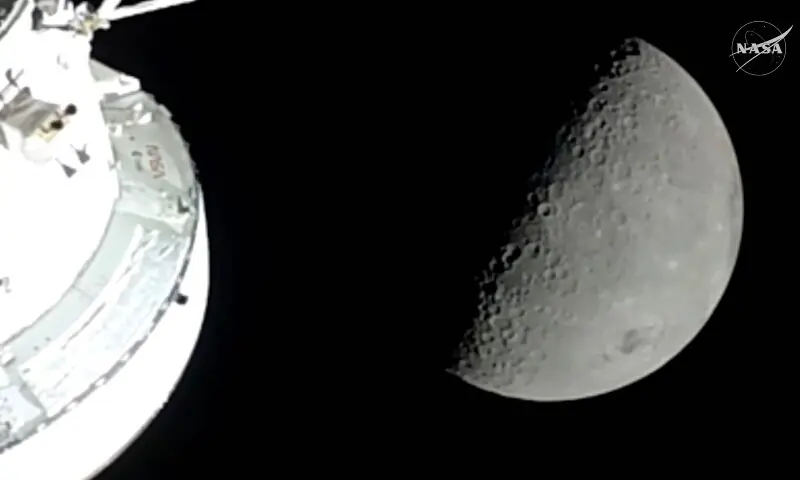
The crew launched from Cape Canaveral, Florida, on April 1 aboard NASA’s Space Launch System rocket. After first entering Earth orbit, they travelled around the far side of the moon and reached farther into space than any humans before them.
Milestone mission
The mission marked the first time astronauts had flown near the moon since the Apollo era of the 1960s and 1970s. It also carried several firsts: Glover became the first Black astronaut to take part in a lunar mission, Koch the first woman, and Hansen the first non-US citizen to do so.
Artemis II followed the uncrewed Artemis I Orion test flight around the moon in 2022. According to NASA, the latest mission served as a major rehearsal for a planned lunar landing later this decade, which would be the first since Apollo 17 in late 1972.
The broader aim of the Artemis programme is to build a sustained human presence on the moon that could support future crewed missions to Mars.
The mission unfolded amid political and social tensions in the United States, including an unpopular military conflict. For many people watching around the world, the flight highlighted scientific and technological achievement at a time when large technology companies are widely viewed with distrust. Opinion polling showed broad support for the mission’s objectives.
Heat shield test during return
The return journey was also expected to test Orion’s heat shield, after the spacecraft experienced greater-than-expected scorching and stress during re-entry on the Artemis I mission in 2022. In response, NASA engineers adjusted Artemis II’s descent profile to reduce heat accumulation and lower the risk of the capsule burning up.
Even with those changes, Orion was expected to enter the atmosphere at about 40,235 kilometres per hour, while temperatures outside the capsule could reach around 5,000 degrees Fahrenheit, or 2,760 degrees Celsius.
NASA officials said on Thursday that weather forecasts for the preferred splashdown area appeared favourable. The revised descent path also reduced the size of the possible landing zone, leaving fewer alternatives in the event of poor sea conditions.
NASA said several other elements were just as important as the heat shield, including maintaining the correct descent path and re-entry angle through a series of course-correction firings by the spacecraft’s guidance thrusters. The third and final such jet propellant burn was scheduled for Friday afternoon, about five hours before splashdown.
Once the capsule reaches the upper atmosphere, the descent is expected to take less than 15 minutes, including the six-minute radio blackout, before two sets of parachutes deploy and the spacecraft lands in the ocean. NASA said recovery teams would need about another hour to secure Orion, lift it onto a ship and help the astronauts leave the capsule one at a time.
Comments
No comments yet. Be the first to join the discussion!