Artemis II mission set for April launch as US prepares return to Moon
NASA's Artemis II mission is set to launch in April, featuring a diverse crew on a journey around the Moon. This mission marks a significant step in US space exploration.

WASHINGTON: More than five decades after the final crewed flight of the Apollo programme, four astronauts are preparing for a mission that will take humans back toward the Moon and mark a new phase in US space exploration.
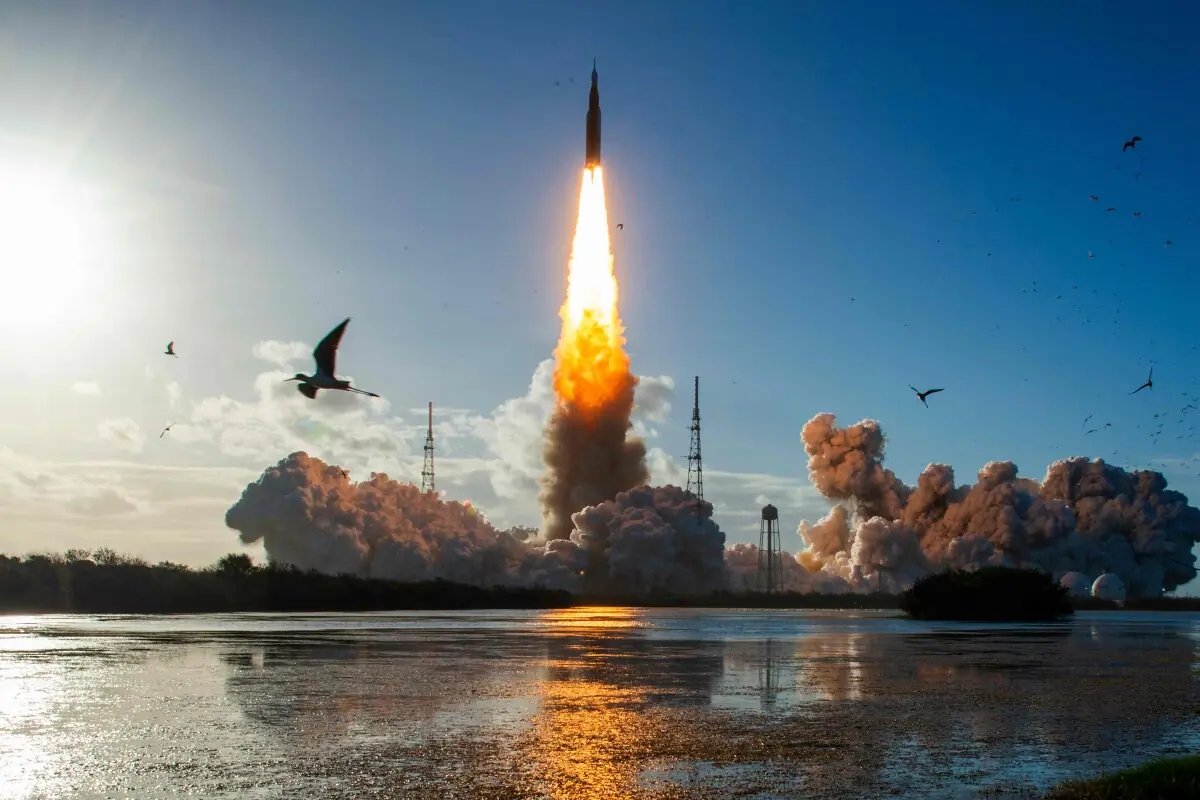
The delayed mission, named Artemis II, is scheduled to launch from Florida as early as April 1, carrying a crew of three Americans and one Canadian on a roughly 10-day journey around Earth’s natural satellite.
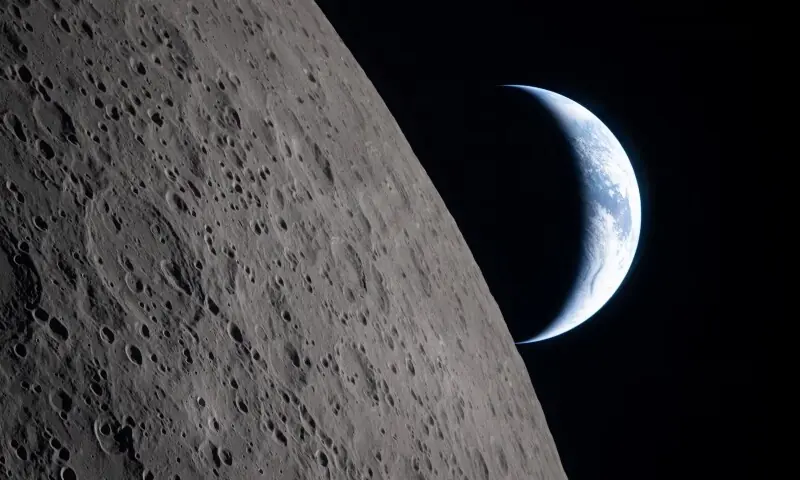
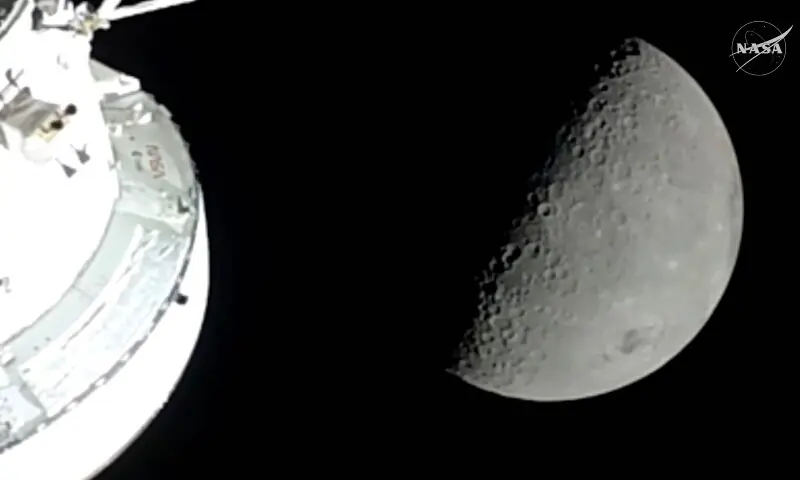
The mission will not involve a lunar landing but will instead follow a trajectory similar to Apollo 8’s 1968 flyby, orbiting the Moon before returning to Earth.
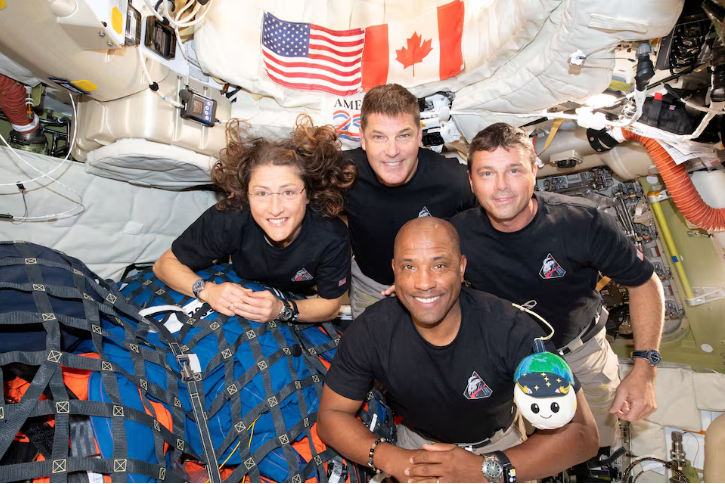
The crew includes Reid Wiseman, Victor Glover, Christina Koch and Jeremy Hansen, marking the first time a woman, a person of colour, and a non-American will travel on a mission to the Moon.
Artemis II will also be the first crewed flight of Nasa’s Space Launch System rocket, designed to support repeated missions to the Moon and enable the long-term goal of establishing a sustained human presence.
The Artemis programme aims to test technologies required for future missions to Mars, with the Moon serving as a staging ground for deeper space exploration.
The mission comes amid renewed global interest in lunar exploration, with China targeting a crewed Moon landing by 2030 and focusing on the resource-rich lunar South Pole.
Experts note that while comparisons have been drawn with the Cold War-era space race, current dynamics differ, with technological development and strategic priorities shaping competition.
Advancements in computing and spacecraft systems have significantly improved since the Apollo era, though the mission still carries risks as the spacecraft has not previously flown humans or travelled to the Moon.
Nasa officials have acknowledged the need for strict safety protocols, with astronauts expected to carry out system checks and manoeuvres before departing Earth’s vicinity.
The mission’s primary objective is to validate the performance of both the rocket and spacecraft, laying the groundwork for a future lunar landing targeted for 2028.
That timeline has drawn scrutiny from analysts, particularly as key components such as the lunar lander are still under development by private sector companies.
The Artemis programme has also faced delays and cost overruns, raising questions about execution timelines and reliance on commercial partners.
Despite these challenges, Nasa aims for Artemis II to replicate the sense of global attention and unity generated by Apollo 8, which saw millions watch as astronauts orbited the Moon in 1968.
Nearly six decades later, the upcoming mission is expected to renew public engagement in space exploration as humans prepare to return to deep space.
Comments
No comments yet. Be the first to join the discussion!