In a record-breaking lunar flight, the most powerful discovery was a love worth crying for
Artemis II’s four-person crew set a human distance record at 248,655 miles from Earth, then turned emotional—naming a lunar “bright spot” “Carroll” for Reid Wiseman’s late wife.


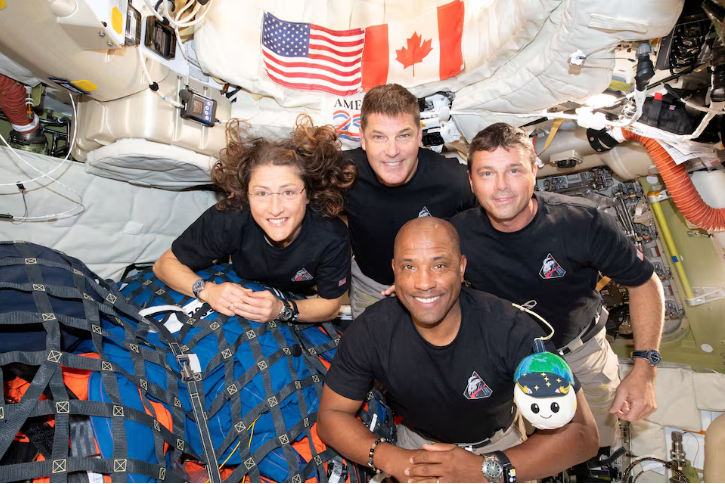
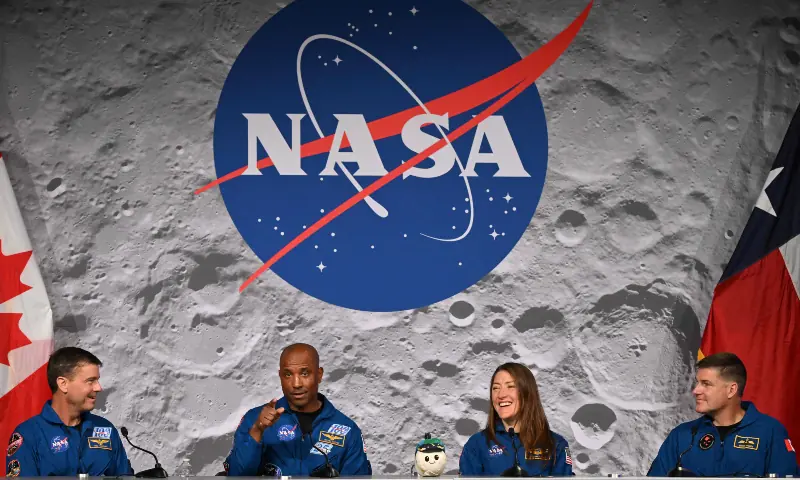
In a moment that proves love is the most powerful force in the universe, the four-person crew of the Artemis II mission just hit a record-breaking distance from Earth—only to stop everything and weep. Floating 248,655 miles away from home, astronauts Reid Wiseman, Victor Glover, Christina Koch, and Jeremy Hansen became the farthest humans from Earth in history. But instead of focusing on technical data or spacecraft systems, their minds were on a pediatric nurse named Carroll.
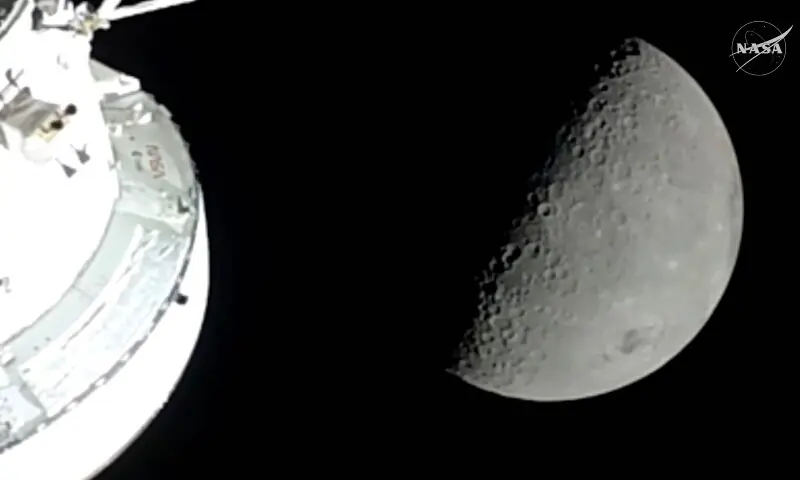
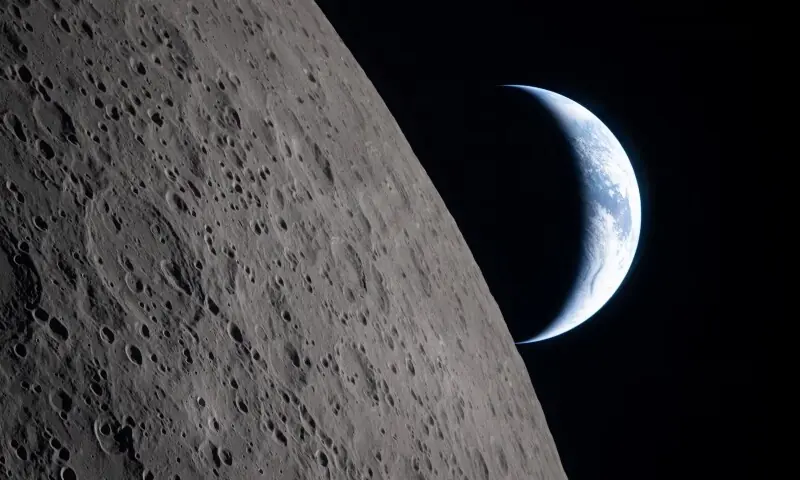
While orbiting the far side of the Moon, astronaut Jeremy Hansen contacted NASA’s Kelsey Young with a special request. The crew wanted to name a specific, "bright spot" on the lunar surface that they could see with their naked eyes. They proposed the name “Carroll,” a permanent and lasting tribute to Mission Commander Reid Wiseman’s late wife, Carroll Taylor Wiseman, who tragically passed away in 2020 after a five-year battle with cancer.
A Bright Spot on the Far Side
Carroll Wiseman was much more than a "mission commander's wife." A James Madison University biology graduate and a dedicated pediatric nurse practitioner, she and Reid had been together for 17 years and shared two daughters. To the crew, naming a crater after her was not just a gesture; it was a way to ensure her legacy lives on in the stars.
The moment was profoundly emotional. Despite being in a high-stakes environment where every second is calculated, the four astronauts reportedly held hands in zero gravity and cried together. There, in the silent vacuum of space, farther from Earth than anyone has ever been, they chose to prioritize human connection over mission protocols.
What Actually Matters
Artemis II is designed to test the limits of human exploration and prepare us for future lunar living, but this "Carroll Crater" moment has become the defining image of the mission. It serves as an extremely powerful symbol that no matter how far technology takes us—even a quarter of a million miles away—the most important thing on our minds will always be the people we love.
As the mission continues its loop around the Moon, the "Carroll" designation remains a glowing reminder on the lunar surface. For a woman who spent her life caring for others as a nurse, having her name mark a "bright spot" on the Moon seems like the most fitting tribute possible. Freedom and exploration are great, but as these four astronauts proved, love is the real reason we reach for the stars.
Comments
No comments yet. Be the first to join the discussion!