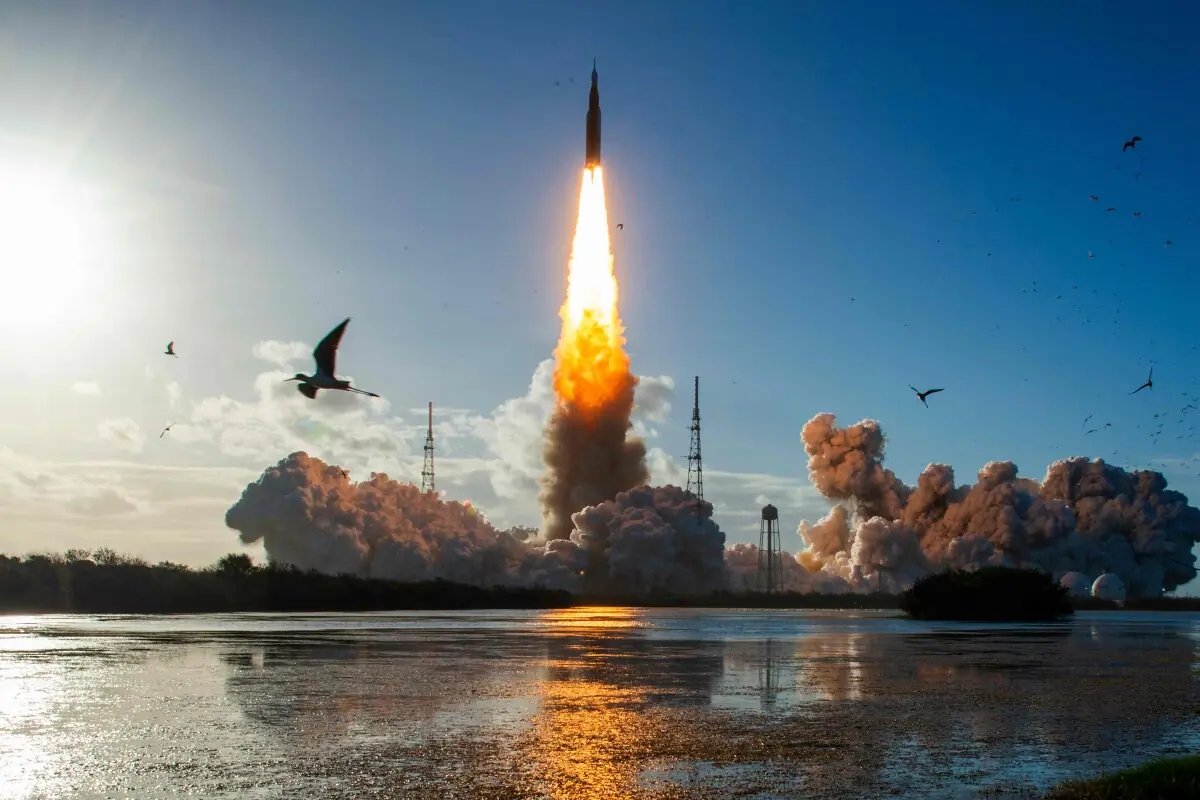
Artemis II crew enters moon’s gravity and sets new human distance record
NASA’s Artemis II crew has entered the moon’s gravitational sphere of influence and is set to break the Apollo 13 distance record. The nearly 10-day mission is the first crewed test flight of the Artemis programme.

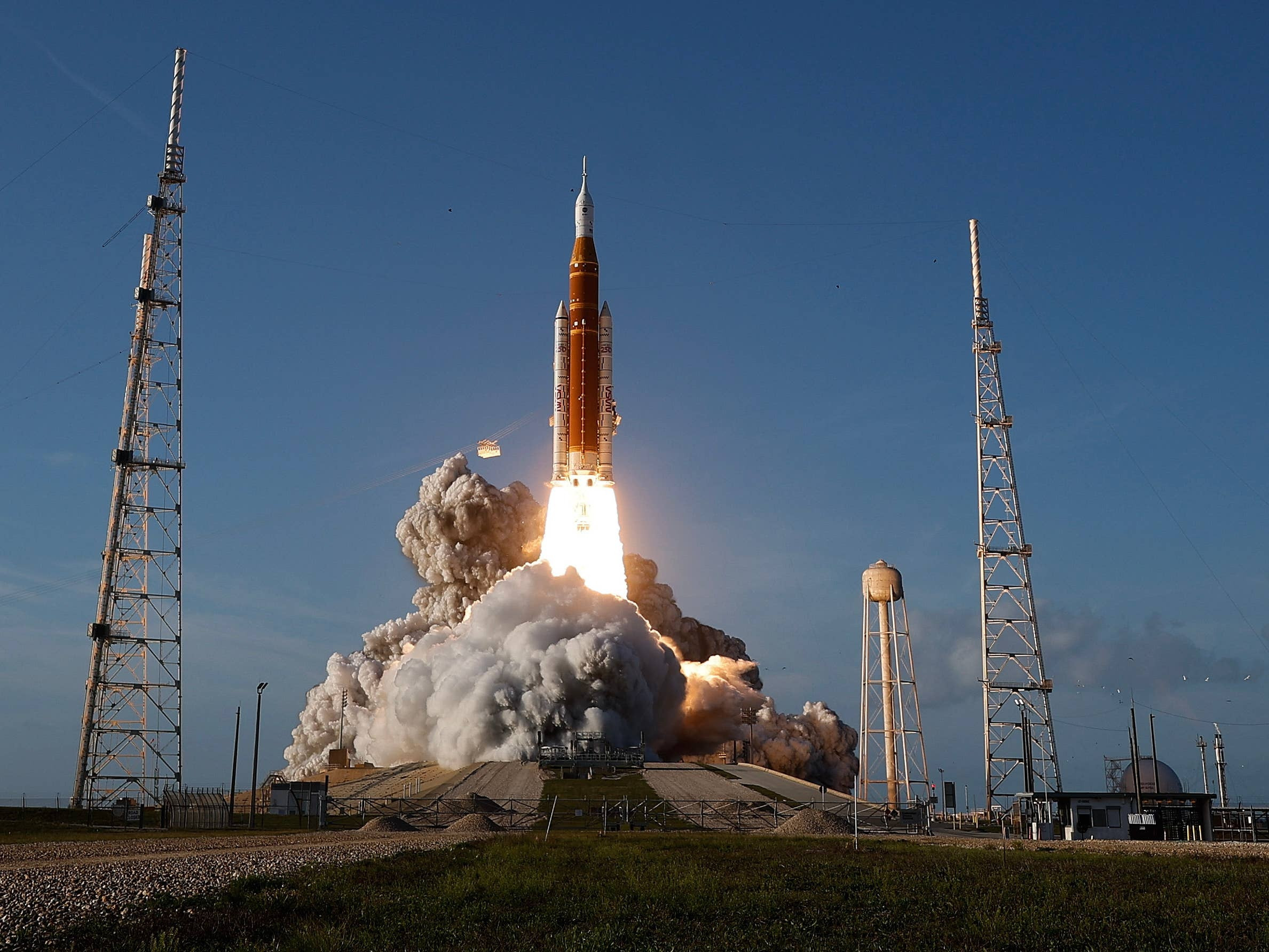
Washington: NASA’s Artemis II astronauts reached a major milestone on Monday after entering the moon’s gravitational sphere of influence, as the mission moved toward setting a new record for the farthest distance travelled by humans from Earth.
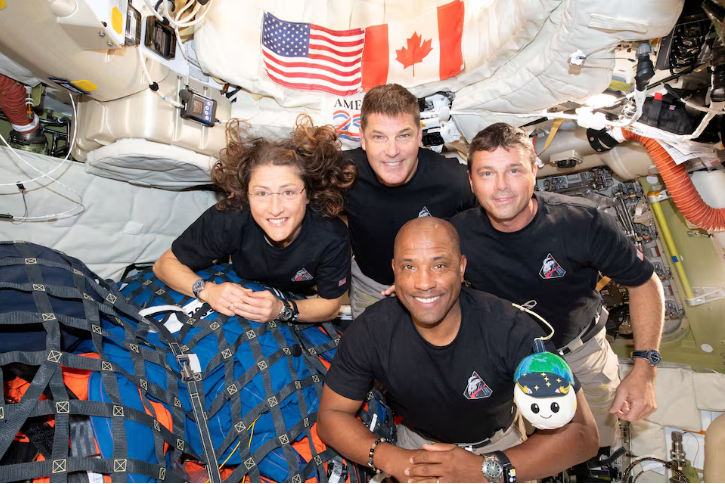
The Orion spacecraft is carrying Canadian astronaut Jeremy Hansen and NASA astronauts Reid Wiseman, Victor Glover and Christina Koch. According to NASA, the capsule is expected to travel about 252,757 miles from Earth, exceeding the Apollo 13 record by 4,102 miles.
The development came as the crew passed over the moon’s darkened far side, where they were expected to face short communication blackouts with NASA’s Deep Space Network.
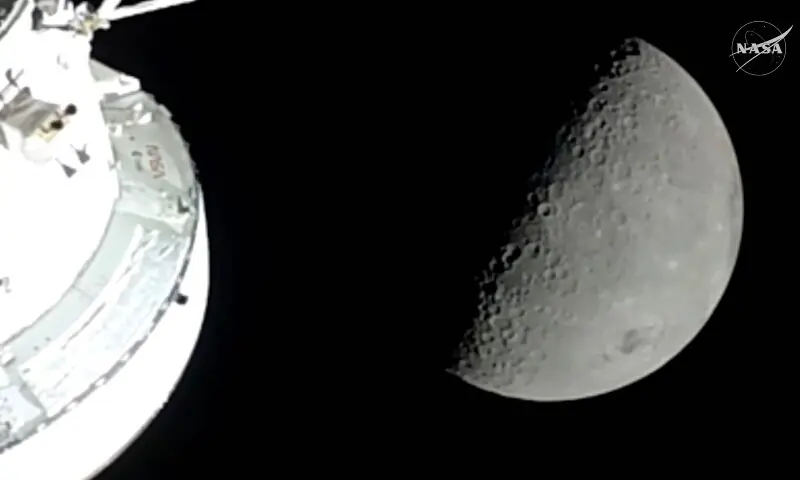
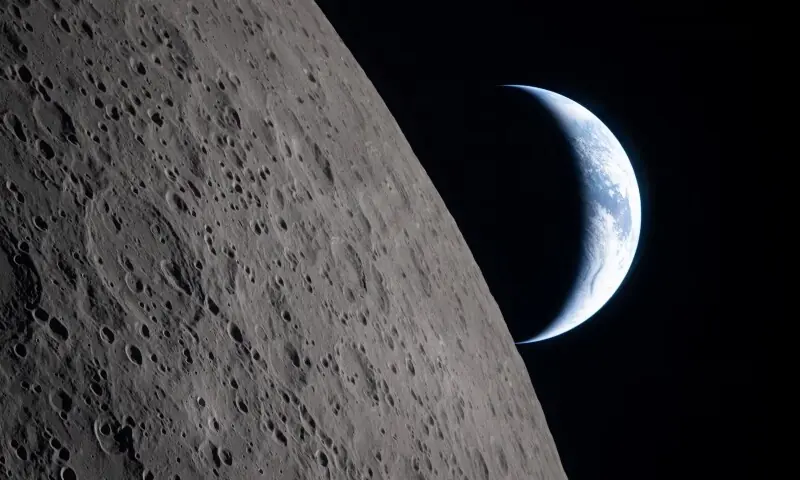
The mission’s lunar flyby was scheduled to last nearly six hours and was set to begin officially at 2:34 pm ET. During that phase, the astronauts were expected to capture images of the moon’s silhouetted edges as well as distant views of Earth. NASA said the flyby would also provide uncommon scientific observations of sunlight filtering around the lunar horizon.
First crewed Artemis test flight
The milestone falls on the sixth day of the nearly 10-day Artemis II mission, which is the first crewed test flight under NASA’s multibillion-dollar Artemis programme.
NASA has said the mission is intended to help prepare for planned moon landings by 2028 and support a sustainable US presence on the moon. The programme also envisions a future lunar base that could serve as a stepping-stone for possible missions to Mars.
During the flight, the crew is documenting lunar features and related phenomena through Orion’s windows. At the same time, a team of lunar scientists at NASA’s Johnson Space Center in Houston is monitoring the astronauts’ observations and recording them in real time.
NASA says the mission is expected to produce photographs and data not previously obtained in this way, contributing to scientific understanding while also underscoring humanity’s continued movement deeper into space.
The Artemis II mission is being closely watched as a key test for future lunar exploration plans. With the spacecraft moving through the moon’s sphere of influence and beyond previous human distance records, the flight marks a significant point in NASA’s current effort to return astronauts to deep space missions beyond low-Earth orbit.
Comments
No comments yet. Be the first to join the discussion!