Russia, China veto UNSC resolution on Hormuz reopening as Pakistan abstains
Russia and China veto a UNSC draft to reopen the Strait of Hormuz, blocking a Bahrain-led plan for defensive coordination. Pakistan abstains as Iran is urged to halt attacks on shipping and infrastructure.

WASHINGTON: Russia and China on Tuesday vetoed a draft resolution at the United Nations Security Council (UNSC) aimed at reopening the Strait of Hormuz, while Pakistan chose to abstain.
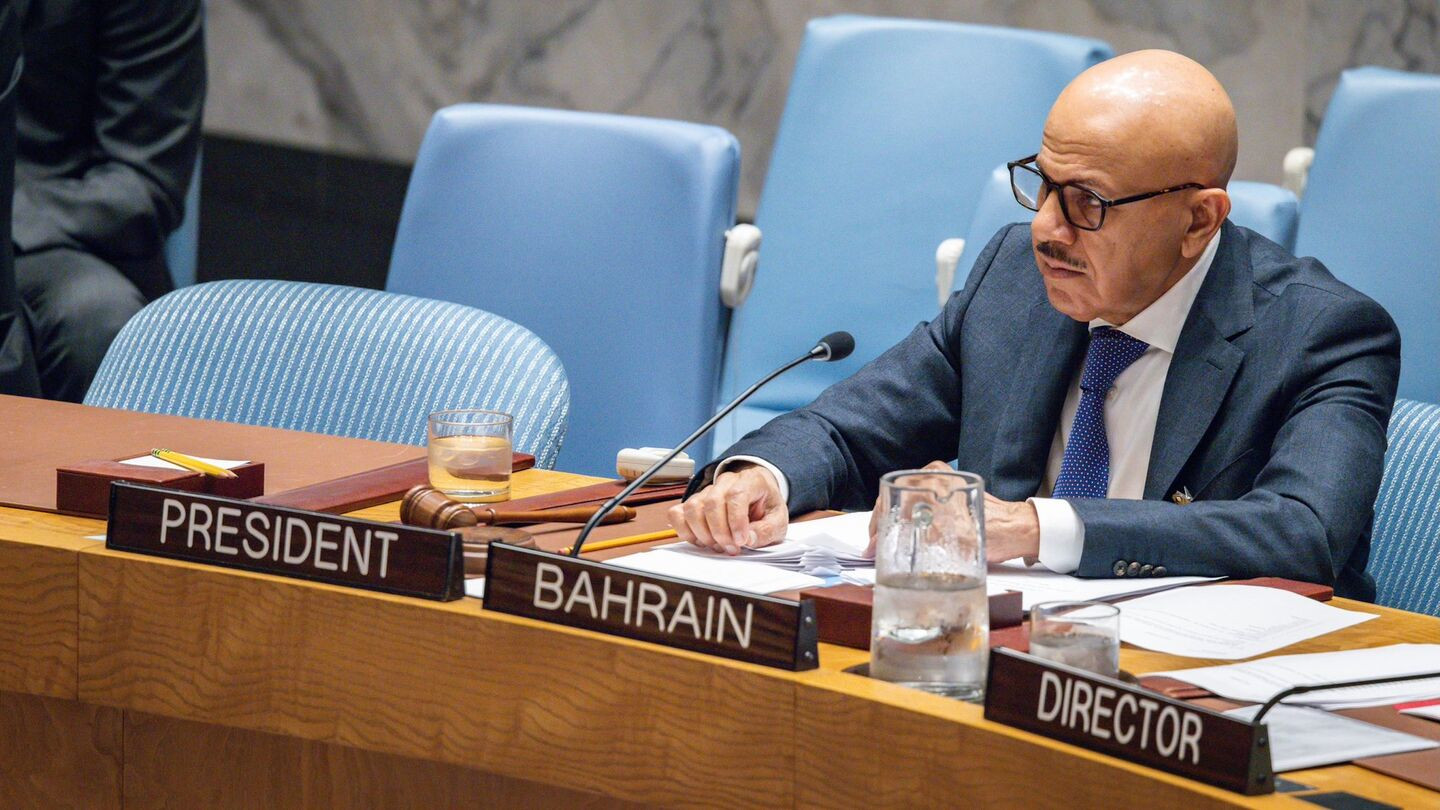
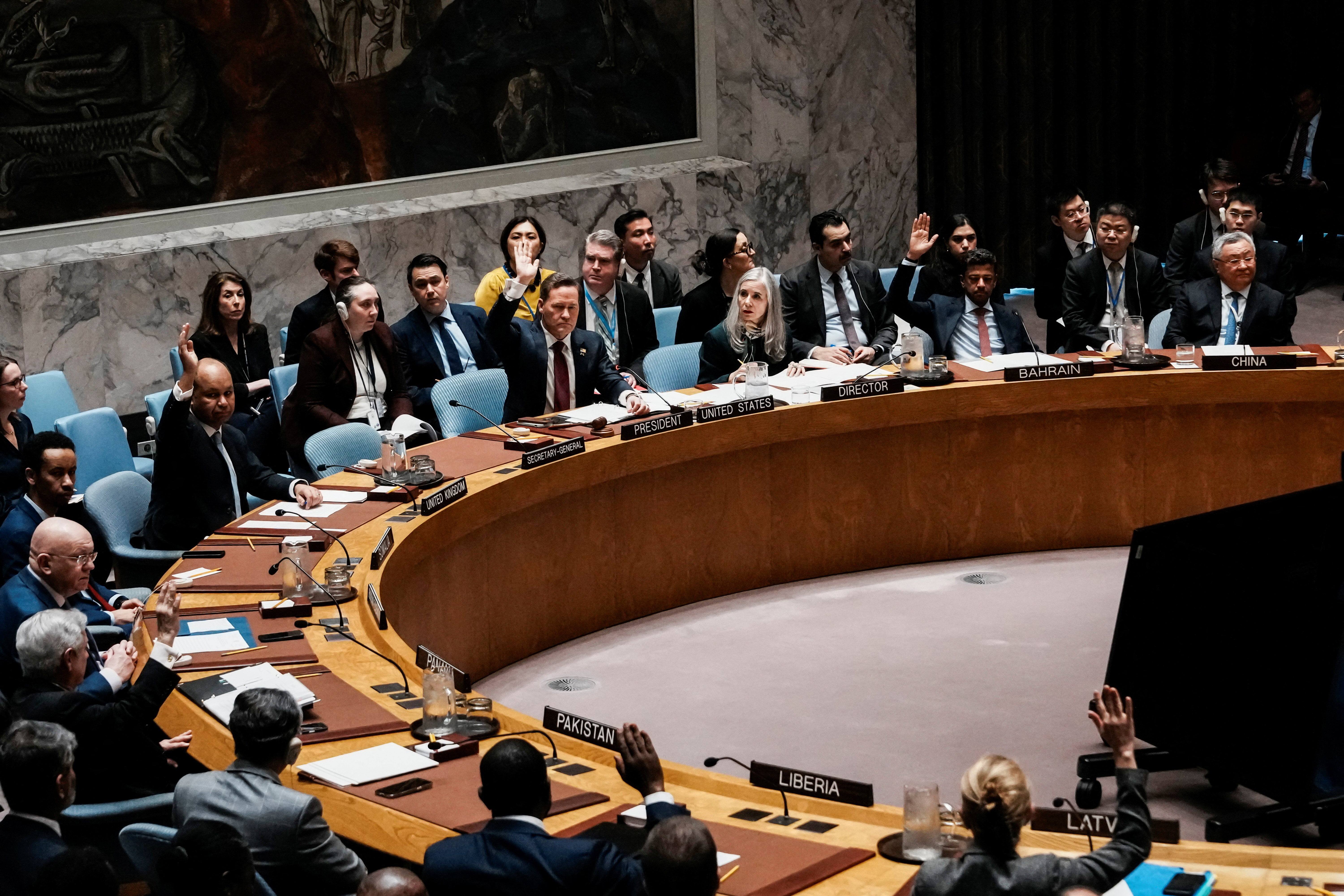
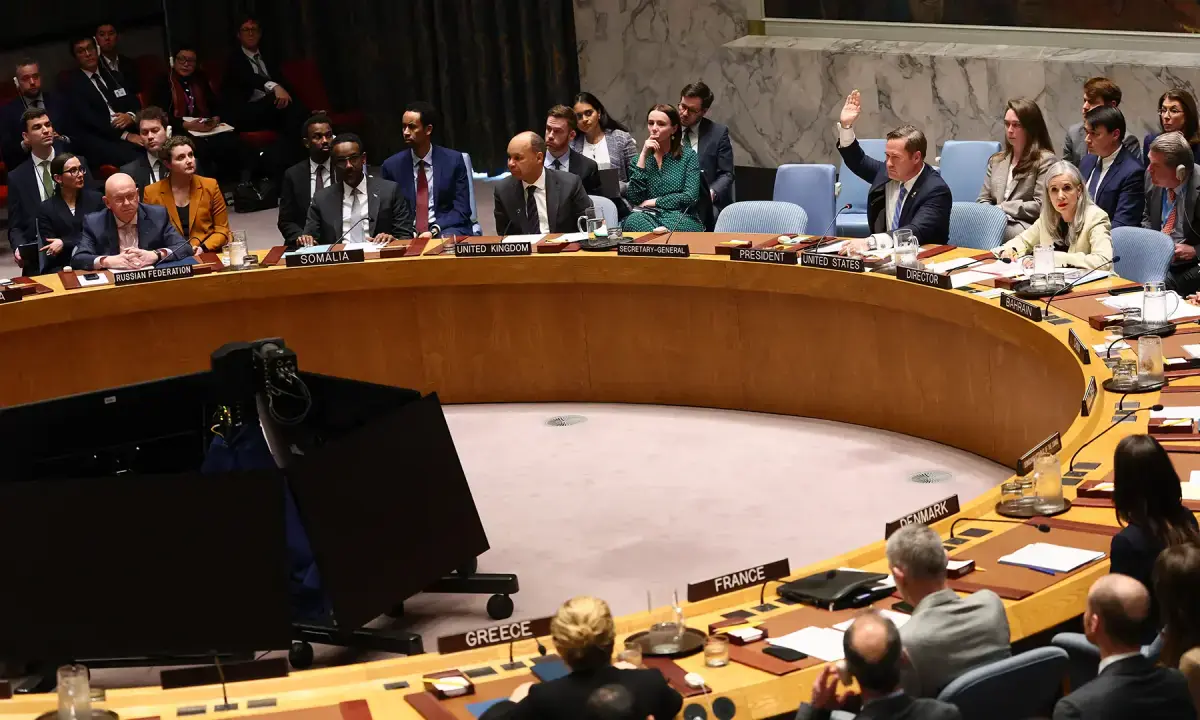
The resolution, tabled by Bahrain after multiple revisions to bridge differences among council members, secured 11 votes in favour but was blocked by vetoes from Moscow and Beijing. Two countries—Pakistan and Colombia—abstained.
Countries backing the draft included Bahrain, the Democratic Republic of the Congo, Denmark, France, Greece, Latvia, Liberia, Panama, Somalia, the United Kingdom and the United States.
Drafted in coordination with Gulf Cooperation Council states and Jordan, the proposal called on nations using the key shipping route to coordinate defensive measures, including escorting commercial vessels, to ensure safe navigation. It also demanded that Iran immediately halt attacks on commercial shipping and civilian infrastructure such as oil, gas, and water facilities.
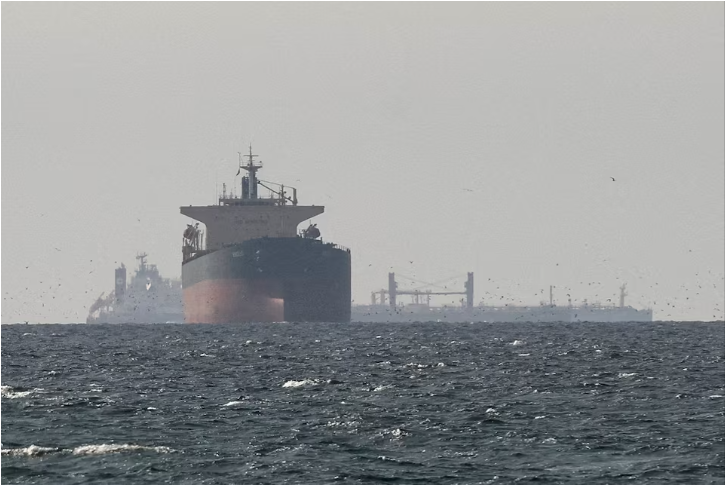
The Strait of Hormuz, a vital global energy corridor, has been effectively closed by Iran following the escalation of the US-Israel war on Iran, raising concerns over global oil supplies and maritime security.
Earlier drafts of the resolution reportedly included references to Chapter VII of the UN Charter, which could have authorised the use of force. However, objections from Russia, China, and several non-permanent members led to its removal in a bid to secure broader support.
Despite these changes, Moscow and Beijing opposed the final text, arguing it failed to adequately address the broader regional context.
The revised resolution emphasised defensive coordination in line with international law and included provisions requiring the UN Secretary-General to report to the council within seven days and, subsequently, every 30 days on developments affecting commercial shipping in the region.
Comments
No comments yet. Be the first to join the discussion!