China and Russia veto UN Security Council resolution on Strait of Hormuz
China and Russia vetoed a UN Security Council resolution that sought to reopen the Strait of Hormuz by force. The 15-member council voted 11 in favour, with two against and two abstentions.

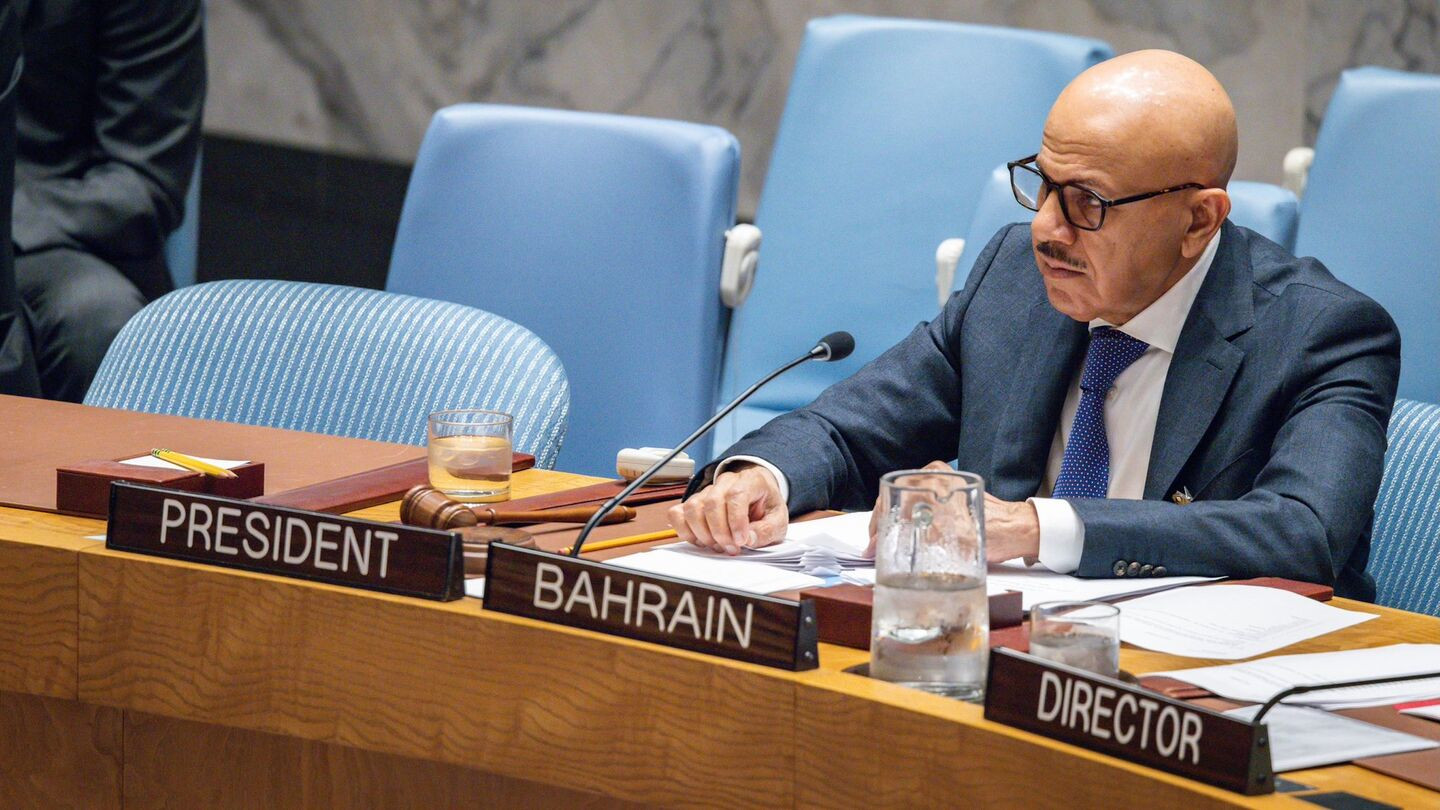
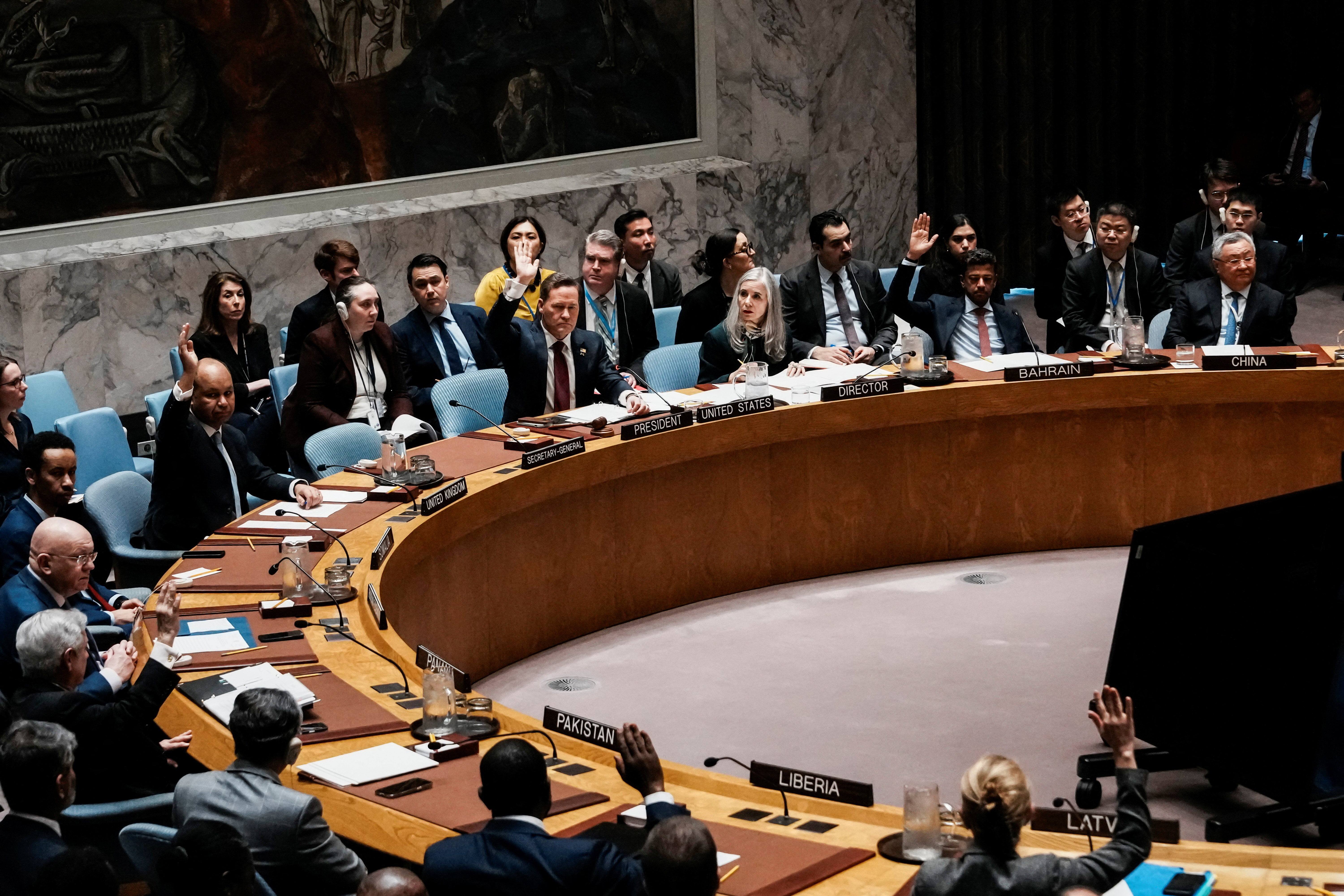
NEW YORK: China and Russia on Friday blocked a United Nations Security Council resolution that sought authorisation to reopen the Strait of Hormuz by force, according to the outcome of the vote in the 15-member body.
The draft resolution received 11 votes in favour, while China and Russia voted against it. Two other members abstained, leaving the measure short of adoption because the two permanent members exercised their veto power.
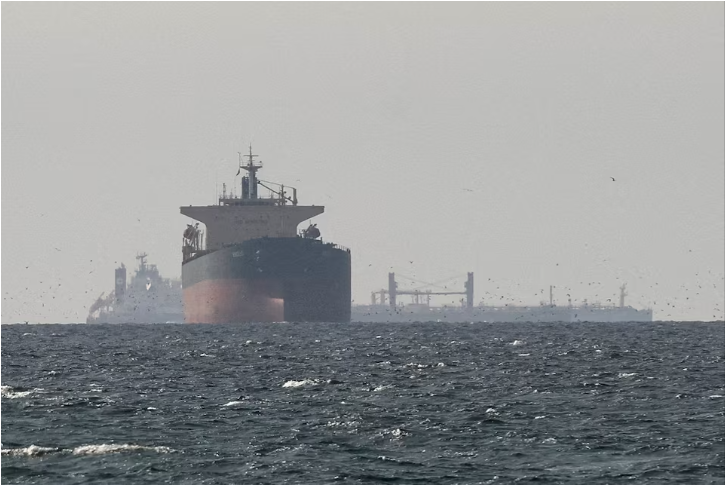
The vote took place at a meeting of the Security Council amid international concern over access through the Strait of Hormuz, one of the world’s most strategically important maritime routes. The proposed resolution aimed to permit action to open the waterway by force, but it failed after opposition from Beijing and Moscow.
Under Security Council rules, a resolution requires at least nine votes in favour and no veto from any of the five permanent members to pass. Although the draft secured well above the minimum number of supporting votes, the negative votes cast by China and Russia prevented its adoption.
The voting breakdown underscored broad support among council members for the measure, but also highlighted divisions among major powers over how to respond to the situation involving the Strait of Hormuz.
Security Council vote blocks action
The final tally was 11 votes in favour, two against and two abstentions. The two votes against came from China and Russia, both permanent members of the council with veto authority.
The resolution would have opened the way for the use of force to reopen the Strait of Hormuz. However, with the vetoes cast by the two countries, the Security Council was unable to approve the proposal.
The failed vote marks a significant diplomatic development at the United Nations, where decisions on international peace and security can be halted by any of the five permanent members — China, Russia, the United States, Britain and France.
The Strait of Hormuz has long been regarded as a critical global shipping lane, and any move related to its status carries major international significance. In this case, however, the Security Council did not reach consensus on the proposed course of action.
With the resolution blocked, the council did not authorise the use of force under the draft presented for consideration.
Comments
No comments yet. Be the first to join the discussion!