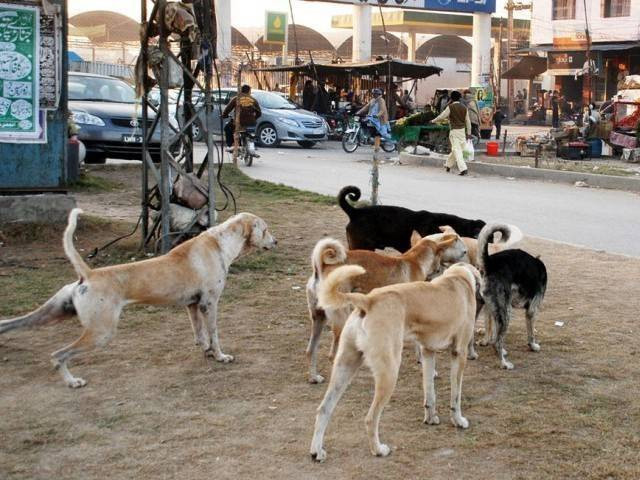
Punjab records over 514,000 dog bite cases in just over two years
Punjab recorded 514,589 dog bite cases between January 2024 and March 2026, according to figures submitted to the Lahore High Court. Data from Sindh, KP and Balochistan also points to a wider national rabies and dog bite challenge.


ISLAMABAD: More than 514,000 dog bite cases were recorded in Punjab between January 2024 and March 2026, according to figures recently submitted to the Lahore High Court, highlighting the scale of a public health problem that extends beyond a single province.
The data cited in the court submission showed that Punjab alone reported 514,589 dog bite cases during the period. The number points to the breadth of the issue in the country’s most populous province and underscores concerns over the implementation of measures intended to control stray dog populations and prevent rabies.
The situation is not limited to Punjab. In Sindh, at least 22 people died from rabies in 2025, while 300,000 dog bite cases were recorded in 2024. In Khyber Pakhtunkhwa, authorities reported an increase of more than 87,364 dog bite cases in 2025 compared with the previous year. In Balochistan, a 12-year-old boy developed rabies and died last year despite receiving multiple vaccination shots.
Taken together, the figures from the provinces indicate that dog bites and rabies remain a serious health challenge across Pakistan. The reported numbers also point to persistent gaps in prevention, treatment availability and implementation of existing policy frameworks.
Punjab already has an Animal Birth Control (ABC) Policy 2021, which sets out a scientific strategy for managing stray dog populations through trapping, neutering, vaccinating and returning animals. However, the continued rise in reported cases has raised questions about how effectively the policy is being carried out.
The issue is also linked to vaccine availability. Pakistan requires more than two million doses of anti-rabies vaccine each year, but supply remains insufficient even as demand continues to grow. The shortfall has added to concerns about the country’s ability to respond to dog bite cases promptly and prevent rabies-related deaths.
The figures presented from Punjab and the data reported from other provinces show that the problem spans the country and affects both public safety and health systems. The reported trend also highlights the need for funding and coordinated action among provinces to address dog population management and improve access to anti-rabies treatment.
The available information further indicates that measures aimed at humane treatment of animals and public safety are being discussed together in policy terms, particularly through approaches based on vaccination and population control rather than ad hoc responses.
Comments
No comments yet. Be the first to join the discussion!