

Minority communities in Peshawar say shortage of graveyards has worsened burial difficulties
Minority communities in Peshawar say a shortage of graveyards is creating severe difficulties for burials. Community representatives say old cemeteries are full, some have been encroached upon, and official promises remain unfulfilled.

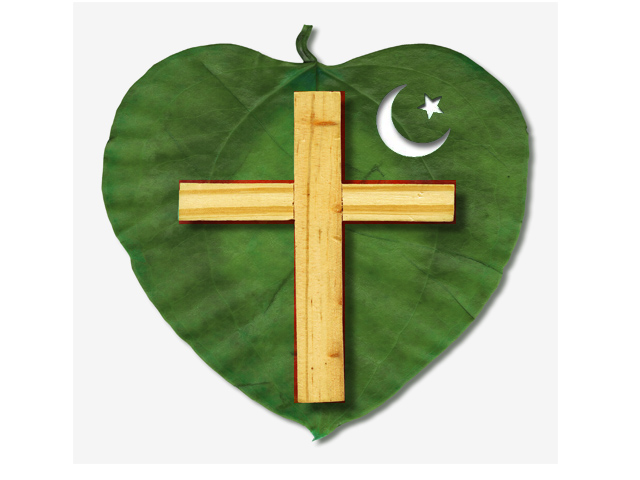
PESHAWAR: Minority communities in Peshawar say the shortage of burial space has become a serious problem, with members of the Christian community reporting that even arranging a grave for the deceased has turned into a painful struggle.
Imran Yousaf Masih, a college lecturer, said some families are left with no option but to bury their dead quietly in already congested areas or reopen older graves. He said this has happened because some cemeteries have been encroached upon, shrinking the limited land available for burials, while the graveyards that remain intact no longer have vacant plots.
According to Yousaf, the city’s Christian graveyards were established before 1947. He said the few burial sites available include Gora Graveyard, Wazir Bagh Graveyard, Kohati Graveyard and Nauthia Graveyard. He added that these cemeteries date back to the colonial era and were built for much smaller populations than those they now serve.
He said that in some instances, bones from older graves are removed to make room for new burials in the same plot, describing the situation as deeply distressing for families. Yousaf said,
“The process can also lead to conflict, as relatives of those previously buried in the graves may object if they learn their loved one’s resting place has been disturbed. Despite these risks, many families feel they have no alternative”, he stated.
Zulfiqar Masih, a resident of University Town who works as a Class-IV employee in a government institution, said the community had repeatedly protested and appealed to the government for a graveyard. He said,
“We are tired of protesting and repeatedly asking the government for a graveyard”, he added.
Zulfiqar said the issue was not confined to Christians and that Hindus and Sikhs were also facing similar difficulties because of the absence of dedicated burial spaces.
“The Pakistan Tehreek-e-Insaf (PTI) government has ruled Khyber Pakhtunkhwa (K-P) multiple times and has made announcements regarding facilities for minorities, but the promises have yet to be fully implemented”, he added.
Population figures and unfulfilled commitments
According to the 2023 digital census, religious minorities account for about 3.3% of Pakistan’s population. The largest minority population lives in Punjab at around 2.46 million, followed by Sindh with about 547,000. In Khyber Pakhtunkhwa, the minority population is approximately 134,900, while Islamabad has around 97,300 and Balochistan about 62,700 residents belonging to minority faiths.
Haroon Sarabdyal, a social worker working for the rights of the Hindu community, said the provincial government had earlier pledged around Rs1.13 billion for the development of minority graveyards, but no practical progress had followed. He also expressed concern over the location of land proposed for minority burial grounds, saying some sites offered by authorities were far outside Peshawar.
Sarabdyal said such locations would make it difficult and potentially unsafe for minority families to visit the graves of relatives, and warned that these arrangements could create security concerns for already vulnerable communities. He urged the provincial government and the Auqaf Department to take immediate steps to provide proper burial facilities for Christians, Hindus and Sikhs.
He also said that if meaningful action was not taken, minority communities might be compelled to protest publicly for their rights. Sarabdyal further said one of the key issues was the absence of any minority member in a ministerial position in the Khyber Pakhtunkhwa government, leaving these communities without direct representation.
Repeated attempts were made to contact provincial government spokesperson Shafi Jan, but no response was received on the concerns raised by minority communities.
Comments
No comments yet. Be the first to join the discussion!


