Government plans early market closures to cut energy use and check price pressures
Planning Minister Ahsan Iqbal said provinces have been asked to consult traders on early market closures to reduce electricity use and oil consumption. He also ordered immediate steps to regulate transport fares and monitor essential commodity prices after the fuel price increase.

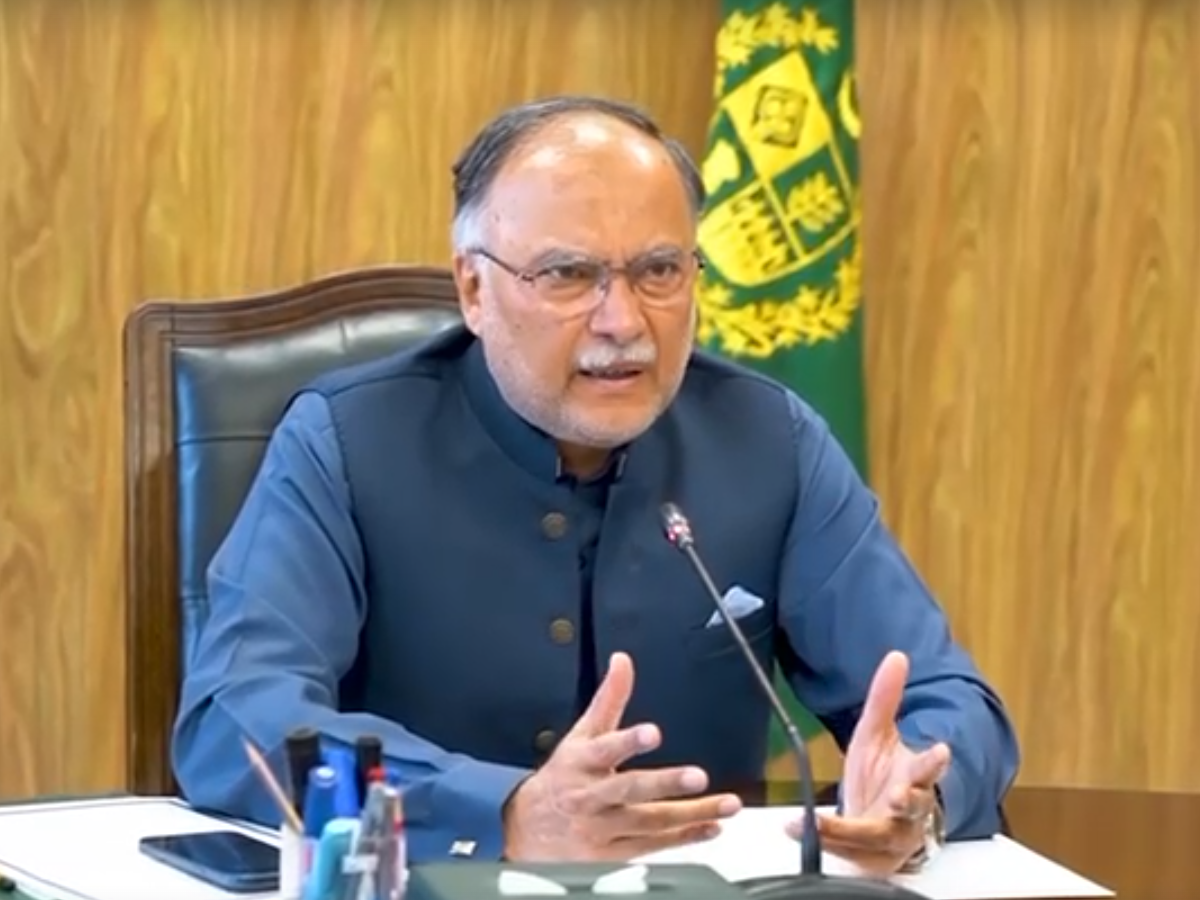
Islamabad: Planning Minister Ahsan Iqbal on Saturday said the government is considering revised market timings as part of efforts to reduce electricity consumption and limit oil use amid rising import costs linked to the global oil crisis.
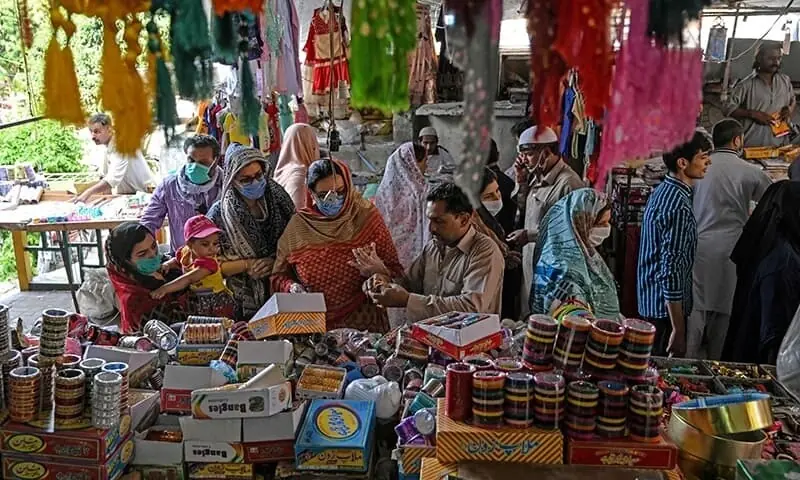
Speaking at a press conference in Lahore, Iqbal said Pakistan depends on imported fuel for electricity generation and must improve efficiency in the use of petrol and diesel. He said markets in the country typically open after 12pm and continue operating until 2am, consuming electricity generated through imported fuel. "If we use electricity at night now, this will be generated from furnace oil, which costs the public Rs60-80 per unit," he said.
He questioned whether such irresponsible conduct was appropriate for a country facing a major crisis and added "Crises are moments of behavioural change".
The minister said provincial governments had been asked to consult traders and "seek a plan of action within a week so we can ensure the early closure of markets" so that both the state and the public could be spared what he described as an unnecessary burden of billions of rupees.
Iqbal said markets in developed countries and successful economies, including Japan, the United States, Malaysia, Indonesia and Turkiye, do not remain open beyond 6pm or, at most, 8pm. "If you go into neighbourhoods after 9pm or 10pm, there is complete calm. People have gone to sleep. Early to bed, early to rise," he said, adding that this routine was also in line with Islamic teachings.
He also said the government had taken notice of what he called unjustified increases in transport fares after the recent fuel price rise. According to the minister, provinces were directed to engage transporters on fare levels to stop profiteering. He urged citizens to help reduce fuel consumption. "You can play your part in the country's development and stability by preventing the unnecessary usage of a single drop of petrol or diesel," he said.
"If you commute to the office alone, then try to carpool with colleagues from your residence or area to your office," Iqbal said, while also advising people to avoid using electricity unnecessarily so that the country’s import bill could be reduced as much as possible.
Price monitoring measures
Later on Saturday, Iqbal also chaired an online meeting of the National Price Monitoring Committee and directed provincial governments to take immediate steps to contain inflationary pressure following the increase in petroleum prices.
The meeting reviewed the effect of higher fuel prices on transport fares and essential goods. Officials told the committee that diesel prices had risen sharply, while transport fares in major urban centres had increased by an average of 25 to 30 per cent, with some routes seeing hikes of up to 50 per cent.
Expressing concern, the minister instructed provincial authorities to ensure transport departments issue revised fare notifications within 24 hours and enforce them strictly. He said government subsidies should not be undermined by arbitrary fare increases imposed by transporters. He also directed chief secretaries to assign clear responsibility to provincial transport secretaries for fare regulation and compliance.
Iqbal called for stronger field enforcement, including random inspections and verification mechanisms to check overcharging. Citing the possibility of a second-round effect on food prices because of higher logistics costs, he ordered weekly monitoring of essential commodities.
The committee will now meet every week, particularly during the next month, to closely monitor price movements. The Pakistan Bureau of Statistics was directed to provide district-wise weekly price rankings to help identify unusual trends and allow provincial administrations to respond in time.
The minister also instructed market committees and district administrations to regulate wholesale and retail prices and monitor profit margins to prevent hoarding and profiteering. He said special attention should be given to uninterrupted supplies of tomatoes, onions, potatoes, wheat, rice and pulses. "If subsidies are fully passed on as price increases, their purpose becomes useless," he observed while referring to government subsidies and their intended impact on market prices.
The meeting also discussed the gap between domestic and international urea prices and warned of possible smuggling risks. Iqbal directed the interior ministry and provincial authorities to take immediate action to prevent smuggling and ensure sufficient availability of urea for farmers.
Comments
No comments yet. Be the first to join the discussion!