Energy Crunch, Citizen Relief: Balochistan, KP enforce market, event timings to conserve energy
Balochistan orders markets to close by 8pm and restaurants/wedding halls by 10pm, while KP sets 9pm/8pm market closures and 10pm for eateries. Exemptions cover essential services; traders in Quetta oppose the move.

Balochistan mandates markets close by 8pm, restaurants and wedding halls by 10pm
KP sets 9pm closure for divisional hubs, 8pm for other districts, eateries by 10pm
Exemptions include emergency health services, petrol pumps, tandoors, pharmacies, and industrial production
Non-essential lighting, billboards, and air-conditioning restricted to save energy
Traders in Quetta oppose move, calling it “anti-business” and warning of protests
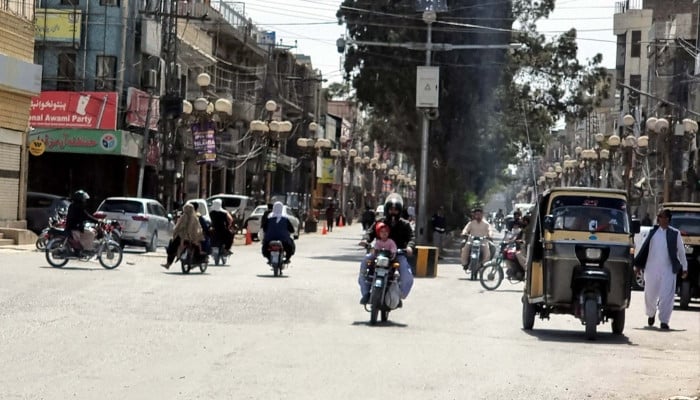
QUETTA/PESHAWAR: The governments of Balochistan and Khyber Pakhtunkhwa on Sunday announced a series of energy conservation measures, including new closure timings for markets, eateries, and wedding halls, as part of an austerity campaign aimed at offsetting the impact of rising global fuel prices, according to official statements.
The move comes as provinces roll out relief measures for citizens affected by the global oil crisis. In Sindh and Punjab, similar initiatives include subsidies for motorcyclists, transporters, and small-scale farmers.
Balochistan’s Restrictions
According to a notification from the Balochistan Home Department, all markets and shopping centers must close by 8pm, while pharmacies, bakeries, and tandoors are exempted.
The notification also directed that wedding halls, banquet halls, and hotels must conclude events by 10pm, with restaurants required to close by 10pm. Law enforcement and district administration have been tasked with strict enforcement, with violators liable under relevant laws.
KP Closure Timings
In Khyber Pakhtunkhwa, a public notice from the Chief Secretary’s office outlined that:
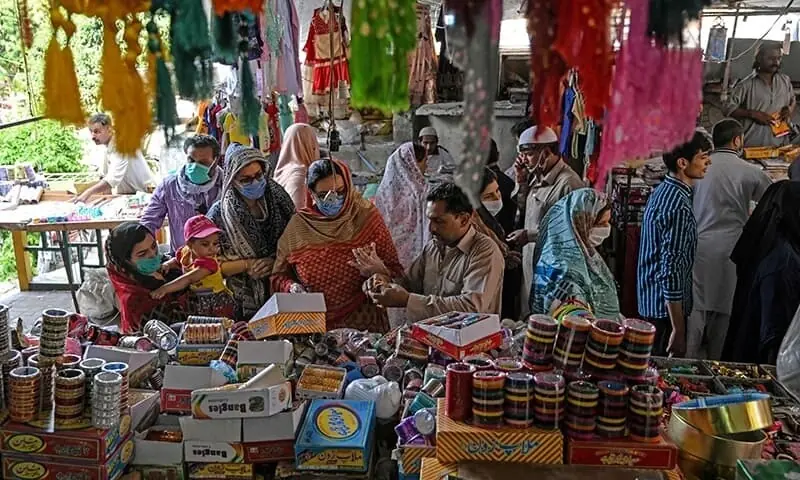
Markets, shopping plazas, and commercial establishments in divisional headquarters must close by 9pm, while those in other districts must close by 8pm.
Restaurants, cafes, and eateries must close by 10pm; however, home delivery and takeaway services are allowed beyond this hour.
Marriage halls, marquees, and event lawns must conclude all events by 10pm.
The notice outlined exemptions for essential activities, including:
Agriculture, construction, laboratories, emergency health services, petrol pumps (fuel dispensing only), tandoors for immediate consumption, and public transport terminals (limited lighting).
Medical stores and pharmacies are also exempt, subject to strict conditions ensuring the exemption applies only to licensed premises primarily engaged in selling medicines. Mixed-use outlets are not eligible.
Industrial and production activities are exempt if operations are genuine production activity, while commercial or retail components of industrial units must comply with closure timings.
The notice further restricted decorative and non-essential lighting, including floodlights, spotlights, billboards, digital displays, and LED screens. Air-conditioning, escalators, and lifts in commercial buildings must not operate beyond business hours, except for essential services. Generators cannot be used for non-essential commercial activities after closure hours.
For public sector compliance, all government offices must conserve energy by switching off lights, air-conditioning, and equipment immediately after office hours. Deputy commissioners are tasked with monitoring enforcement and verification of compliance in their districts.
“These measures are temporary and aimed at reducing pressure on electricity, avoiding extra financial burden on citizens, and contributing to a national energy conservation effort,” the notice stated. The new timings will take effect from April 6.
Traders Oppose Balochistan Restrictions
The Central Anjuman-i-Tajiran Balochistan, led by President Abdul Rahim Kakar, rejected the government’s closure timings, calling them “anti-trader” and warning of protests if enforced.
At a press conference in Quetta Press Club, Kakar demanded that markets remain open until 10pm and wedding halls, hotels, and restaurants operate until midnight. He likened the move to lockdown-style restrictions that had previously harmed businesses during the Covid-19 period.
Kakar highlighted that Balochistan’s economy largely depends on trade, with few major industries, and that businesses are already under strain from inflation, unemployment, insecurity, border closures, and trade restrictions. He added that rising fuel prices, utility bills, and taxes have further impacted commercial activity, leaving millions of people jobless.
Comments
No comments yet. Be the first to join the discussion!