Balochistan orders early closure of markets, wedding halls and restaurants
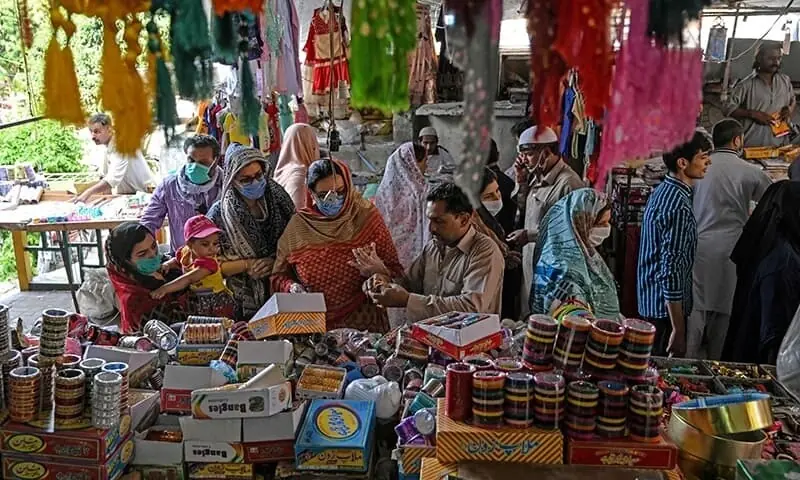
The Balochistan government has ordered markets to close by 8pm and wedding halls, restaurants and hotels by 10pm under energy conservation measures. The Home Department said district administrations and law enforcement agencies will ensure implementation.

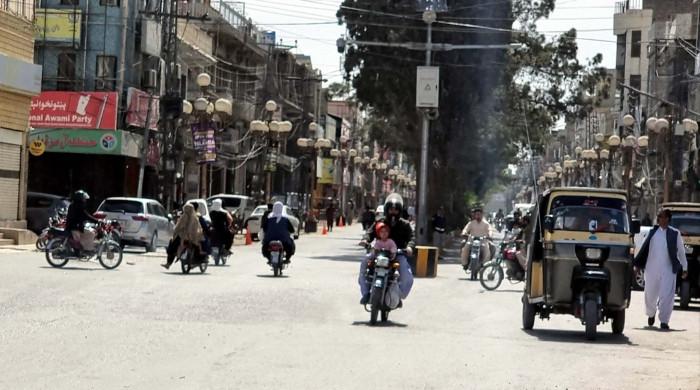
QUETTA: The Balochistan government has directed markets, shopping centres, wedding halls and restaurants to shut earlier than usual under energy conservation measures notified by the Home Department.
According to the notification, the decision was taken following a meeting on fuel subsidy and energy conservation, with implementation launched under the supervision of Deputy Prime Minister Ishaq Dar.
The order says all markets and shopping centres across the province will close by 8pm. Pharmacies, tandoors and nanbais have been exempted from the restriction.
The notification further states that marriage halls, banquet halls and wedding functions, including events held at hotels and restaurants, must end by 10pm. Restaurants and hotels have also been instructed to close by the same time.
The Home Department said the steps were intended to save energy and provide relief to the public. District administrations and law enforcement agencies had been assigned to ensure strict enforcement of the new timings.
Measures linked to wider fuel conservation push
The provincial move comes as Pakistan seeks to reduce the effects of higher global fuel and energy prices linked to the ongoing conflict in the Middle East.
The conflict, now more than a month old, began after the United States and Israel launched joint attacks on Iran on February 28. In response, Tehran targeted US bases across the Gulf region and effectively blocked the Strait of Hormuz, a major route for global oil and energy shipments.
Amid disruption in the international oil supply chain, Pakistan raised the prices of petrol and diesel by Rs55 each on March 6.
The federal government also announced a broader austerity and fuel conservation programme. The measures included a four-day workweek, a reduction in fuel allowances and a 20% cut in expenditures across all government departments.
Later, the petrol price was increased to Rs458.41 per litre on April 2, up by Rs137.23, while diesel rose to Rs520.35 per litre, an increase of Rs184.49. At the time, federal ministers said the steep rise was driven by increasing international oil prices amid the Middle East conflict.
A day later, Prime Minister Shehbaz Sharif lowered the petrol price to Rs378 per litre for one month by reducing the petroleum levy by Rs80 per litre.
In an address to the nation on Friday, the prime minister also announced a relief package that included subsidies for transporters and financial assistance for small farmers.
He further said that a previous decision under which federal cabinet members were to give up their salaries for two months as part of austerity measures to deal with the fuel crisis had now been extended to six months.
Comments
No comments yet. Be the first to join the discussion!