Iran praises Pakistan's mediation as backchannel talks with US edge toward breakthrough
Iran’s foreign minister thanks Pakistan for quiet mediation and dismisses Western reports of refusals. Behind the scenes, US-Iran backchannel talks in Islamabad neared agreement before last-minute delays.

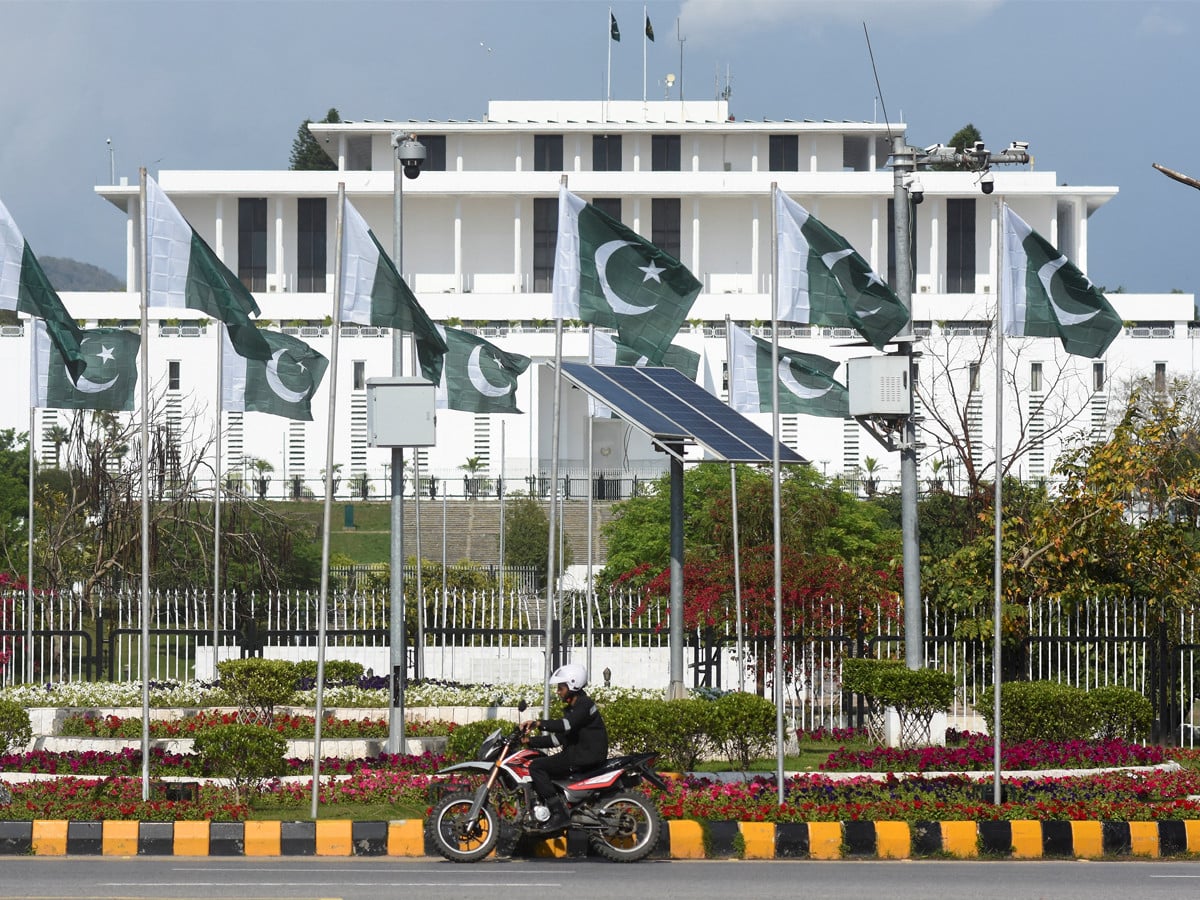
TEHRAN: Iranian Foreign Minister Abbas Araghchi on Saturday expressed “deep gratitude” to Pakistan for its quiet but sustained mediation efforts amid the ongoing US-Israel war, firmly rejecting claims that Tehran had ever refused dialogue in Islamabad.
His remarks come at a critical moment, as multiple rounds of discreet backchannel diplomacy between Washington and Tehran have brought both sides closer to a potential breakthrough—only to fall short at decisive moments due to last-minute hesitations and internal recalibrations.
In a post on X, Araghchi dismissed as “fabrications” reports in sections of Western media suggesting Iran had declined Pakistan-hosted talks. He underscored that Tehran has remained open to dialogue and appreciated Islamabad’s diplomatic outreach aimed at easing rising regional tensions.
Deputy Prime Minister and Foreign Minister Ishaq Dar welcomed the clarification, calling Araghchi a “dear brother” and stating that his remarks had effectively dismantled “false propaganda” targeting Pakistan’s role. Dar reiterated that Pakistan’s engagement reflects a principled commitment to peaceful conflict resolution and reinforces its standing as an “honest broker” in a deeply polarised geopolitical climate.
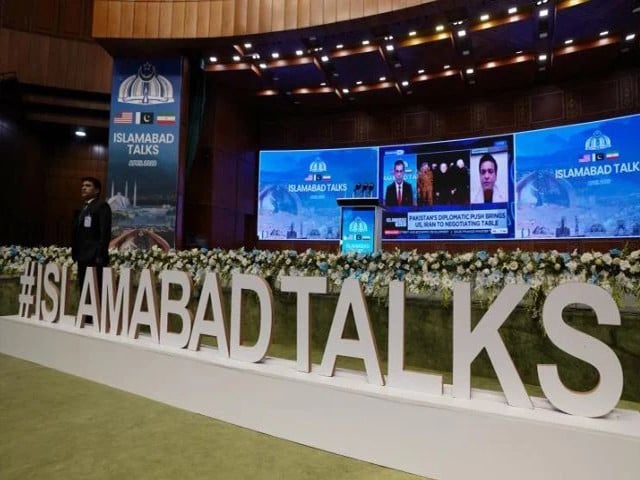
Behind the scenes, however, a complex web of backchannel negotiations has been unfolding. According to sources familiar with the matter, Pakistan quietly facilitated multiple attempts to convene direct talks between senior US and Iranian officials in Islamabad—efforts that came remarkably close to materialising.
One such initiative involved preparations for a high-level meeting that could have brought together a US delegation led by Vice President JD Vance and senior Iranian representatives. Diplomatic teams reportedly worked through key agenda items in advance, including frameworks for de-escalation, humanitarian pauses, and maritime security guarantees in the Gulf.
Despite these advances, the talks were postponed at the eleventh hour on more than one occasion. Sources indicate that both Washington and Tehran sought additional time to secure internal consensus, particularly amid pressure from hardline factions and rapidly shifting battlefield dynamics linked to the broader US-Israel confrontation with Iran.
Insiders reveal that the backchannel discussions have revolved around three core pillars:
Immediate de-escalation measures to prevent further military escalation
Guarantees regarding freedom of navigation in the Strait of Hormuz
A potential roadmap for phased diplomatic engagement beyond the current crisis
Pakistan’s role has extended beyond merely offering a venue. Officials in Islamabad have acted as intermediaries, relaying messages, refining proposals, and coordinating with regional stakeholders to maintain momentum in the talks even as formal meetings remain elusive.
“Efforts are ongoing, and there is still a willingness on both sides to explore diplomatic options,” one source said, cautioning that the situation remains fluid and highly sensitive to developments on the ground.
These backchannel efforts have been complemented by Pakistan’s broader diplomatic push involving key regional players. Islamabad recently hosted foreign ministers from Turkiye, Egypt, and Saudi Arabia, aiming to build a coordinated framework for de-escalation. Central to these discussions were proposals to reopen the Strait of Hormuz—an artery of global energy supply—as well as mechanisms to stabilise oil markets rattled by the conflict.
Notably, proposals emerging from these talks were quietly communicated to Washington, focusing on maritime security arrangements and confidence-building measures that could serve as a foundation for wider negotiations.
A day prior to these engagements, Dar had also spoken directly with Araghchi, emphasising that diplomacy and dialogue remain the only viable path forward.
While a formal breakthrough has yet to materialise, the persistence of backchannel diplomacy—anchored in Islamabad’s facilitation—suggests that the door to negotiations remains open, even as tensions continue to simmer across the region.
The writer is Head of News at Pakistan Today. He has a special focus on current affairs, regional and global connectivity, and counterterrorism. He tweets as @mian_abrar and also can be reached at [email protected]
View all articles →Comments
No comments yet. Be the first to join the discussion!