Bangladesh shortens office hours as energy pressures rise amid Middle East conflict
Bangladesh has reduced office hours, ordered earlier market closures and cut non-essential spending to curb energy use. The measures come as Middle East conflict disrupts fuel markets and strains power supplies.


Dhaka: Bangladesh has introduced a new set of steps to reduce energy use, including shorter office timings and lower public spending, as turmoil in the Middle East affects global fuel markets and adds to pressure on the country’s power supply.
Officials said the measures were approved by the cabinet on Thursday and are intended to help steady the energy situation in Bangladesh, which relies heavily on imported fuel and has been hit by price swings and supply uncertainty linked to the US-Israeli war with Iran.
Under the revised arrangements, government offices will operate from 9:00am to 4:00pm. Markets and shopping centres have also been directed to close by 6:00pm in an effort to cut electricity consumption.
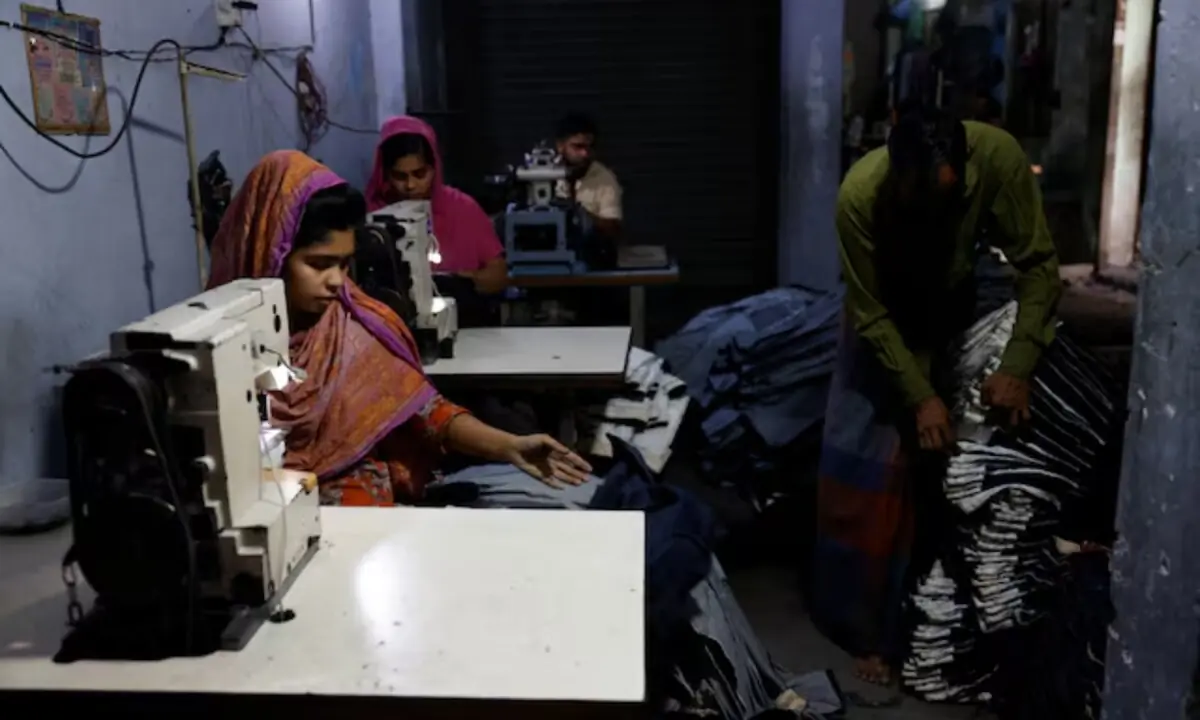
The government has further ordered reductions in non-essential public expenditure and has called for lower electricity use in the industrial sector. The measures also include restrictions on excessive lighting.
Education sector measures under consideration
The education ministry is set to issue guidelines for schools from Sunday. Among the options being examined are changes to school schedules and a shift to online classes.
Authorities will also permit duty-free imports of electric buses for schools, while incentives will be offered to institutions that take part in the initiative.
Fuel rationing and supply concerns
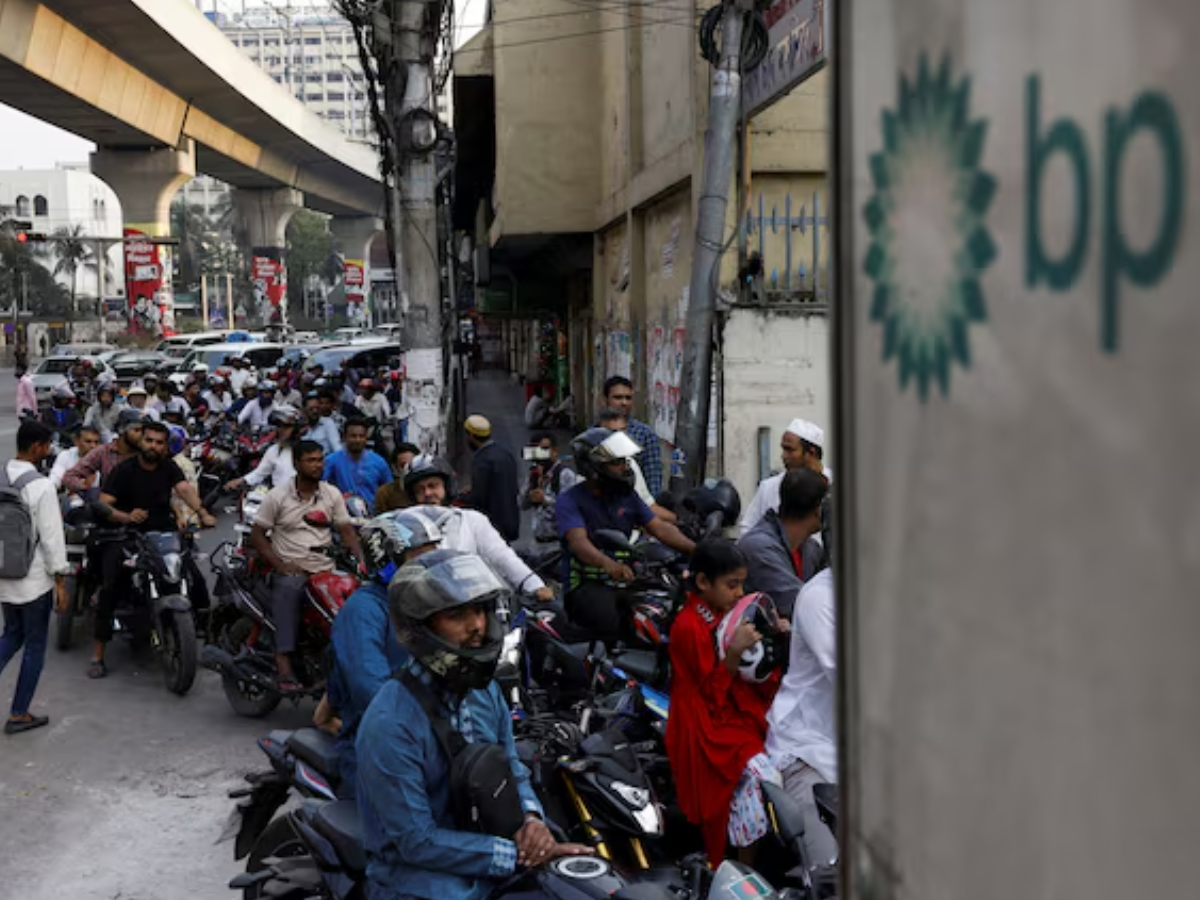
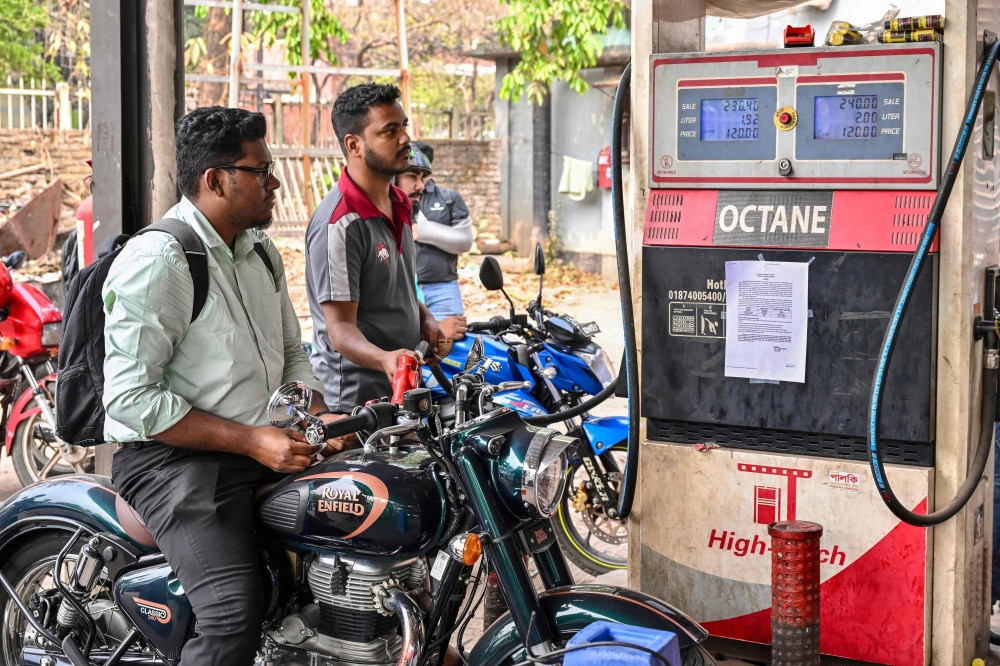
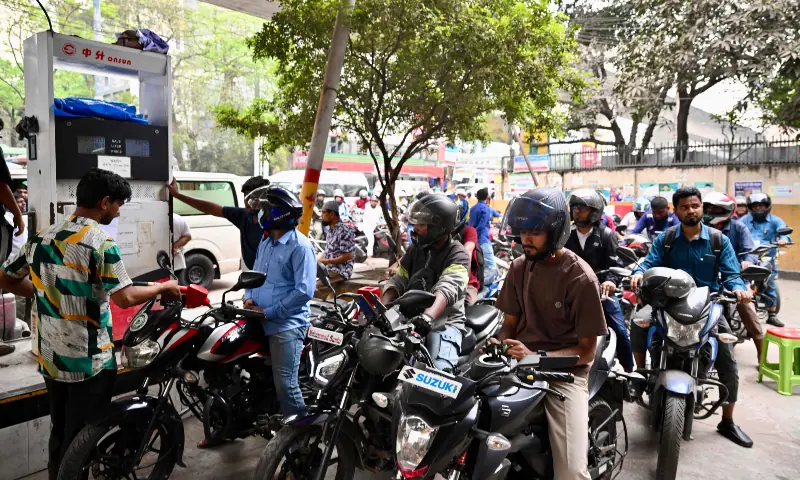
Bangladesh has already been rationing fuel in an attempt to manage shortages. Other steps taken so far include limiting vehicle sales and reducing the operating hours of fuel stations, amid panic buying, hoarding and long queues.
Authorities have cautioned that supplies are still under strain, even though there has been some relief during major holidays.
State-run agencies in Bangladesh are working to secure energy supplies for the country’s population of about 175 million, while also looking into alternative sources as international markets remain volatile.
The government is additionally seeking external financing of more than $2.5 billion to help cover imports of fuel and liquefied natural gas, as higher energy costs place further pressure on foreign exchange reserves.
The latest measures reflect the government’s effort to contain consumption and manage import costs at a time when external market disruptions continue to affect domestic energy availability.
Comments
No comments yet. Be the first to join the discussion!