Bangladesh orders early university closures and fuel rationing to address energy crisis
Bangladesh has closed universities early and imposed daily fuel sale limits to address an energy crisis, following panic buying and stockpiling.

DHAKA – Bangladesh has announced the early closure of universities and imposed daily limits on fuel sales as part of efforts to manage an ongoing energy crisis, according to official sources.
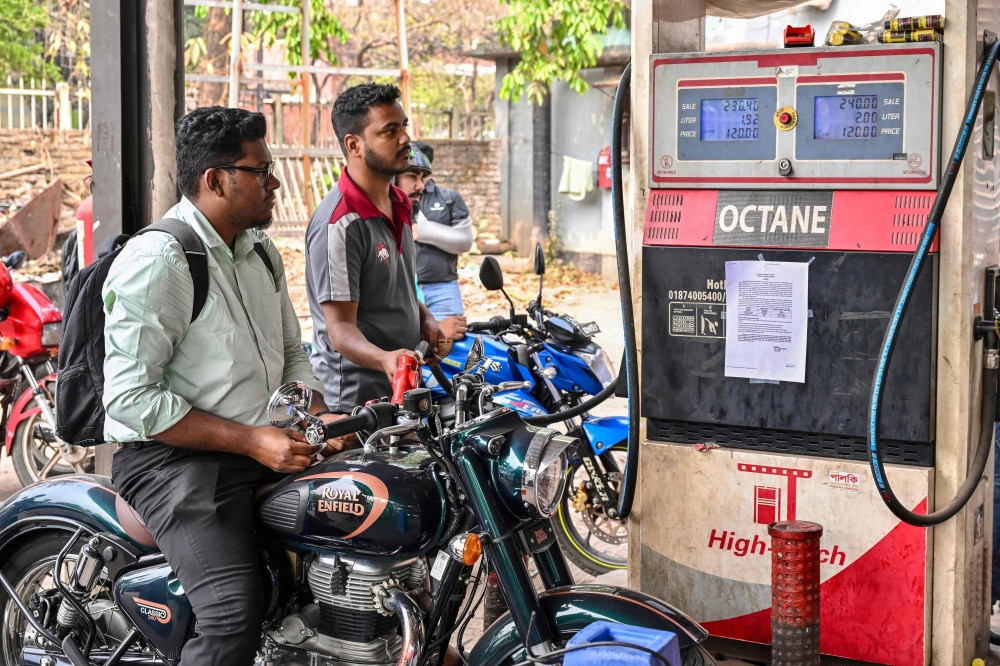
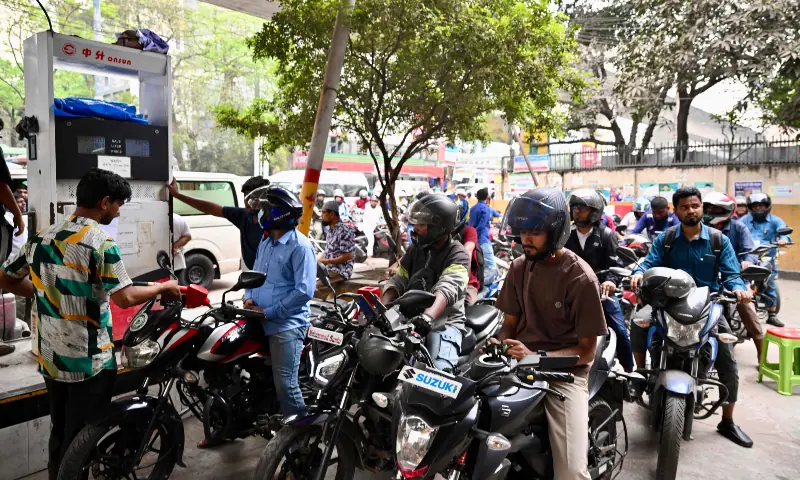
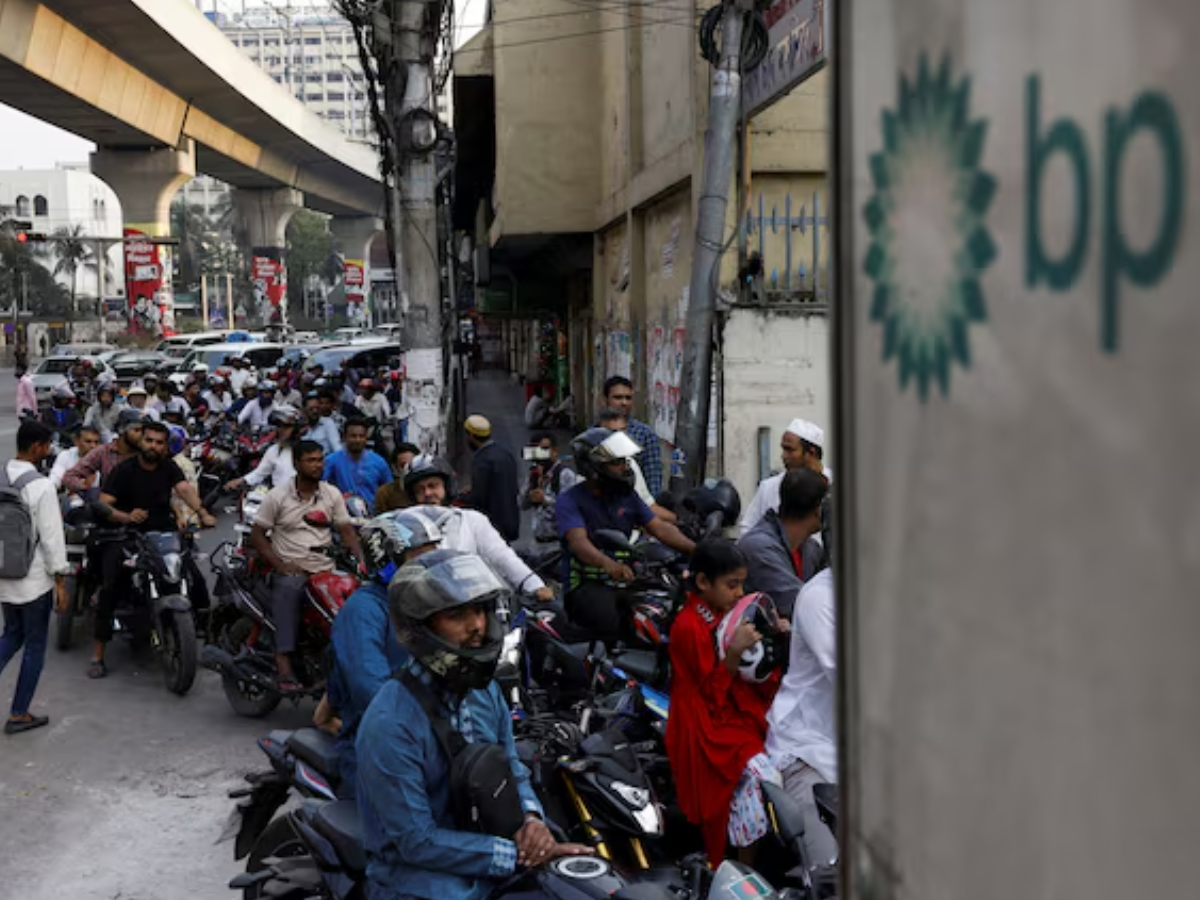
On Friday, the government introduced restrictions on fuel sales following a surge in panic buying and stockpiling across the country. The move comes as Bangladesh faces significant challenges in meeting its energy demands, prompting authorities to take measures aimed at conserving power and stabilizing fuel supplies.
Universities have been directed to close earlier than usual in an attempt to reduce electricity consumption. The decision is part of a broader strategy to alleviate pressure on the national grid and ensure that available resources are distributed more efficiently during the crisis.
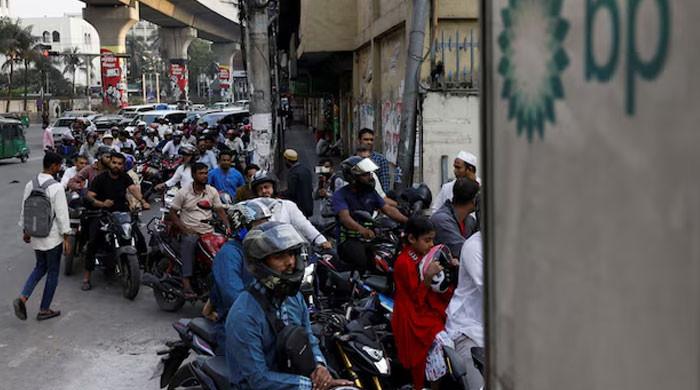
Officials stated that the daily limits on fuel sales are intended to curb hoarding and ensure equitable access for all citizens. The restrictions follow reports of long queues at fuel stations and concerns over potential shortages, which have contributed to public anxiety and increased demand.
Bangladesh, like several other countries, has been grappling with energy supply issues exacerbated by global market fluctuations and rising costs. The government’s latest measures reflect an urgent response to growing domestic pressures and the need to maintain stability in essential services.
Authorities have urged the public to cooperate with the new regulations and to avoid unnecessary consumption of electricity and fuel. The government has also indicated that it will continue to monitor the situation closely and may introduce further measures if required to address the crisis.
These steps underscore the severity of the current energy shortage in Bangladesh and highlight the government’s efforts to mitigate its impact on daily life and the economy.
Comments
No comments yet. Be the first to join the discussion!