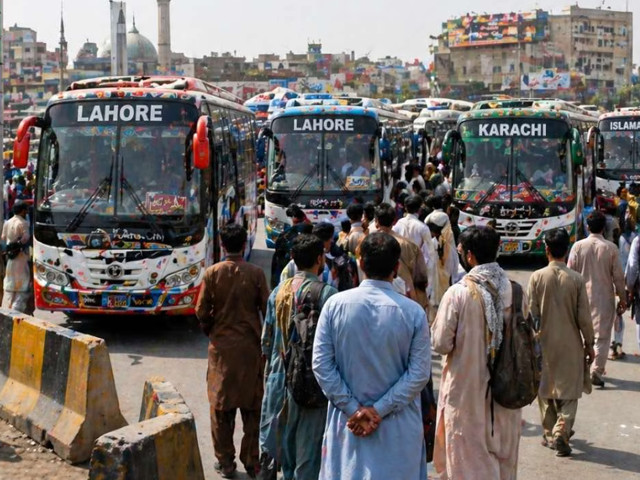
As fuel prices rise, people are finding ways to travel without cars
A Dawn report says rising fuel prices are prompting people to rethink daily travel and look for alternatives to car use. The shift reflects growing pressure on household budgets as commuting and routine trips become more expensive.

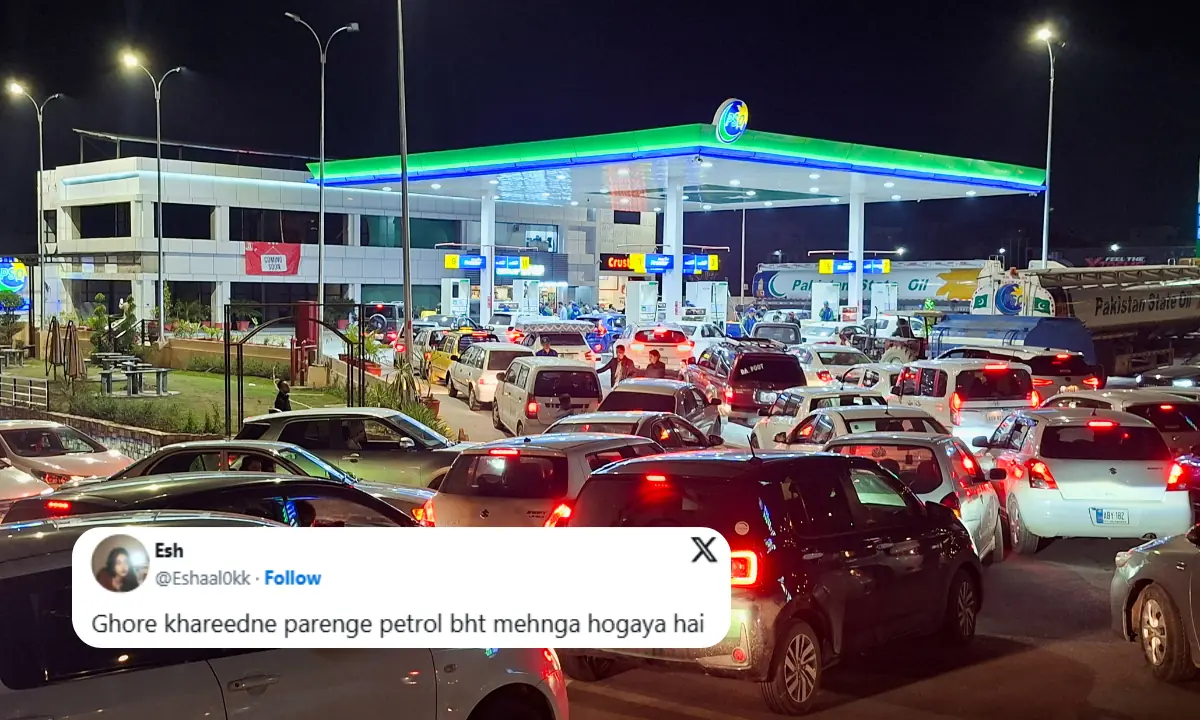
Islamabad: A report by Dawn says that with fuel prices climbing sharply, people are increasingly looking for alternatives to travelling by car and are adjusting their daily routines to reduce transport costs.
The report describes how higher petrol prices are pushing commuters and households to rethink mobility, with many turning to options that are cheaper and more practical for short-distance travel. These shifts include relying less on private vehicles and exploring other ways to get around as the cost of driving continues to increase.
The pressure of rising fuel costs is not limited to motorists alone. It is also affecting broader household budgeting, prompting people to reconsider how often they use their cars and whether certain trips can be combined, delayed or avoided altogether. The piece says this has led to growing interest in transport choices that do not depend on fuel in the same way as private cars do.
The report highlights that the change is being driven by affordability concerns. As fuel becomes more expensive, the cost of routine commuting, errands and social travel has become harder for many people to absorb. In response, individuals are seeking methods that can help them maintain mobility while spending less.
Dawn’s report presents this trend as part of a wider adjustment to economic pressure linked to transport expenses. Rather than treating car use as the default option, people are increasingly weighing the financial impact of each journey. This, the report notes, is encouraging experimentation with alternatives that may previously have been seen as less convenient.
Transport habits under pressure
The report says the rise in fuel prices is reshaping everyday transport habits and forcing practical decisions about movement in urban settings. For many, the issue is no longer simply convenience but cost, with the expense of operating a car becoming a central factor in planning daily life.
It adds that this shift reflects a broader effort to cope with inflationary pressure, especially where transport is a recurring and unavoidable expense. As a result, people are trying to identify ways to remain mobile without bearing the full burden of soaring fuel prices.
The report does not frame the change as a temporary inconvenience alone, but as a developing response to sustained cost increases. In that context, alternatives to car travel are gaining attention because they offer a way to manage expenses while preserving a degree of independence and flexibility.
With fuel prices skyrocketing, X is cooking up ways to get around without a car
The Dawn report centres on how rising fuel prices are influencing behaviour and encouraging people to move away, where possible, from car-dependent travel. It underscores that the search for alternatives is being shaped by economic necessity as much as by convenience.
1 Comment
No comments yet. Be the first to join the discussion!