AJK HC rules Afghan nationals can’t be detained or deported without due process
The AJK High Court ruled Afghan nationals cannot be detained or deported arbitrarily. It ordered visa-cancellation-based procedures, appointment of civil authorities, and mandatory reporting of arrests.

In a detailed verdict, court clarifies foreigners do not have permanent residence but retain legal rights
Says deportation must follow visa cancellation and formal legal procedures as family ties, marriages with locals warrant constitutional protection
Directs government to immediately establish a legal mechanism to regulate cases involving foreign nationals
Directs appointment of civil authorities in all districts under Foreigners Act and mandatory reporting of arrests and case-by-case decisions now required
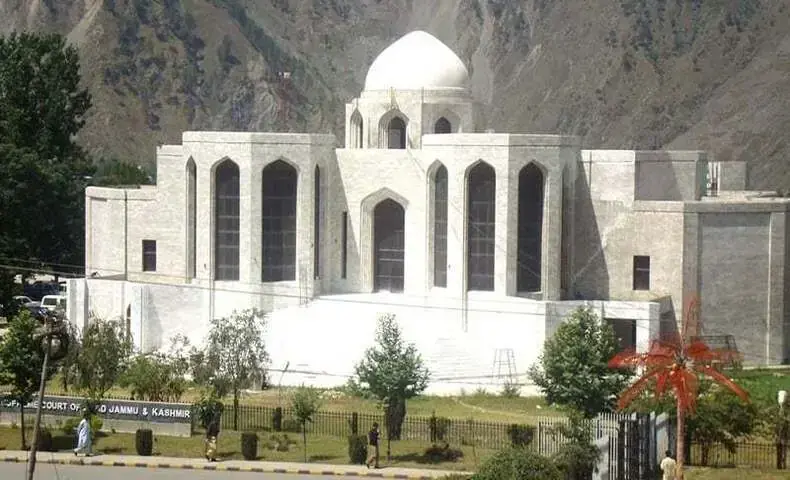
MUZAFFARABAD: The Azad Jammu and Kashmir (AJK) High Court on Thursday ruled that while foreigners do not enjoy a “vested right to permanent residence,” they are entitled to legal protection and due process during their stay. The court clarified that Afghan nationals residing in the region, even if subject to repatriation policies, cannot be detained or deported arbitrarily without formal legal proceedings.
In a detailed judgment authored by Justice Syed Shahid Bahar, the court directed the government to immediately establish a legal mechanism to regulate cases involving foreign nationals. The verdict came while disposing of three identical constitutional petitions challenging the detention of Afghan nationals allegedly taken into police custody for repatriation.
The High Court observed that a valid visa confers a limited but lawful right of residence, and action against a foreign national before its expiry can only be taken on specific grounds such as fraud, violation of visa conditions, or threats to public order. The court further held that deportation must follow cancellation of visa, where applicable, and be carried out strictly in accordance with law, declaring informal pushbacks or arbitrary detention unlawful.
The petitioners argued that, despite possessing valid documents and residing lawfully in AJK for decades, they had been taken into custody without lawful justification and faced imminent deportation. The government maintained that Afghan nationals were being detained as a precautionary measure under a broader repatriation policy, while conceding that no specific criminal charges had been filed.
Highlighting gaps in the legal framework, Justice Bahar noted that under the AJK Foreigners Act, 1952, action against foreign nationals must originate from a duly appointed civil authority. The court observed that no such authority had yet been formally designated, rendering the initiation of proceedings legally deficient.
Terming the matter one of “first impression” with significant constitutional and humanitarian implications, the judge stressed that Afghan nationals who have resided in AJK for decades — in some cases spanning three generations — cannot be treated like recent undocumented entrants.
The judgment emphasized that family ties, including marriages between Afghan nationals and local residents, warrant protection under constitutional principles safeguarding family life. It urged the government to adopt a structured and differentiated approach, ensuring humanitarian consideration for long-term residents integrated into local society through family and business, while undocumented entrants may be dealt with according to policy. Visa holders or lawful entrants, even with overstays, should also be considered separately.
The court further observed that, where deportation is deemed necessary, reasonable time must be afforded to affected individuals to wind up businesses and settle personal affairs on a case-by-case basis.
Disposing of the petitions, the AJK High Court issued key directives to the government, including: Immediate appointment of civil authorities in all districts to handle cases under the Foreigners Act; Mandatory reporting of arrests to the government within five days and expeditious, case-by-case decisions regarding the status of detained Afghan nationals.
Comments
No comments yet. Be the first to join the discussion!