Pakistan gains global backing for mediation as Kuwait, China endorse peace efforts in Iran–US crisis
Pakistan's mediation efforts in the Iran-US crisis receive strong endorsements from Kuwait and China, highlighting Islamabad's emerging role as a key diplomatic player in the region.

-- Kuwait backs Pakistan's diplomatic push, praises PM Shehbaz's leadership
-- China joins Kuwait in supporting Pakistan's peace efforts in Middle East
-- Islamabad emerges as key mediator in Iran–US indirect talks
-- Army Chief Asim Munir plays crucial role in backchannel diplomacy
ISLAMABAD: Pakistan’s diplomatic push to mediate between Iran and the United States gathered further international support on Friday, with both Kuwait and China endorsing Islamabad’s role in efforts aimed at de-escalating tensions in the Middle East.
In a telephone conversation, Shehbaz Sharif briefed Sheikh Sabah Al Khaled Al Hamad Al Sabah on Pakistan’s ongoing diplomatic engagement to help end the conflict. According to a statement issued by the Prime Minister’s Office (PMO), the Kuwaiti crown prince “fully endorsed” Pakistan’s mediation efforts and appreciated the prime minister’s leadership during the crisis.
During the call, Prime Minister Shehbaz strongly condemned recent attacks on Kuwait and expressed solidarity with its people, offering condolences over the loss of lives and prayers for the injured. The Kuwaiti leadership, in turn, thanked Pakistan for its continued support and acknowledged the prime minister’s earlier message of solidarity. The crown prince also conveyed his desire to visit Pakistan once the regional situation stabilises.
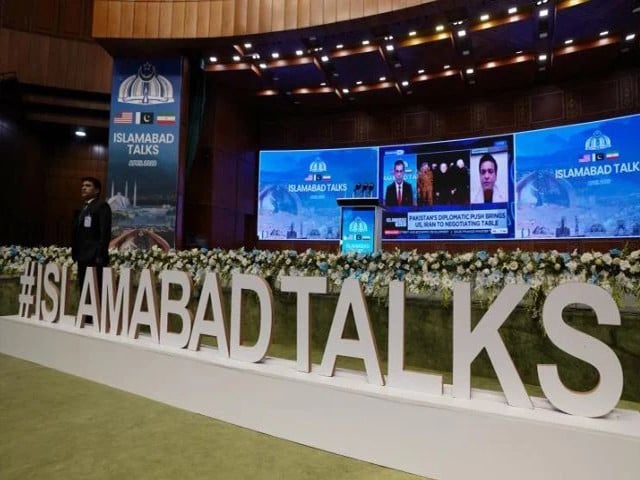
The development comes as Pakistan assumes a central role in facilitating indirect dialogue between United States and Iran, in coordination with regional partners including Türkiye and Egypt. Officials confirmed that communication between Washington and Tehran is ongoing through structured message exchanges rather than direct contact.
Deputy Prime Minister and Foreign Minister Ishaq Dar revealed that Pakistan has relayed a 15-point framework from the US side, which is currently under consideration by Iran. He noted that Ankara and Cairo are actively supporting the mediation process.
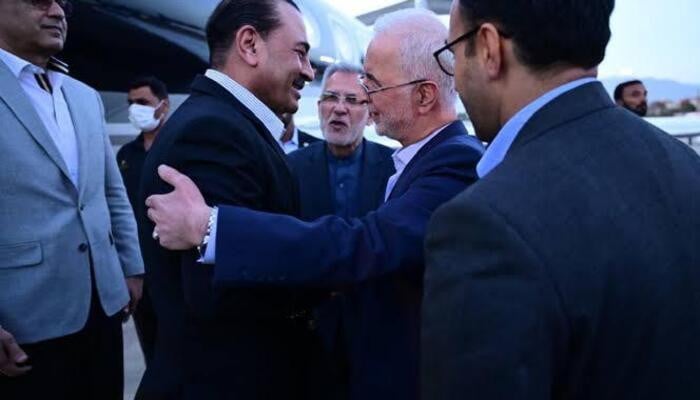
Diplomatic sources indicated that Islamabad has emerged as a preferred venue for potential initial engagements, despite significant differences remaining between the two sides. A senior regional diplomat highlighted the pivotal role of Asim Munir, who has maintained direct contact with Iranian Foreign Minister Abbas Araghchi while also relaying positions communicated by the US.
Tehran is said to view Islamabad’s involvement positively, citing Pakistan’s “comparatively balanced position” during the crisis and considering it a more reliable partner than many other countries in the Muslim world. Additionally, Field Marshal Munir’s reported rapport with Donald Trump is seen as a potential avenue for facilitating dialogue.
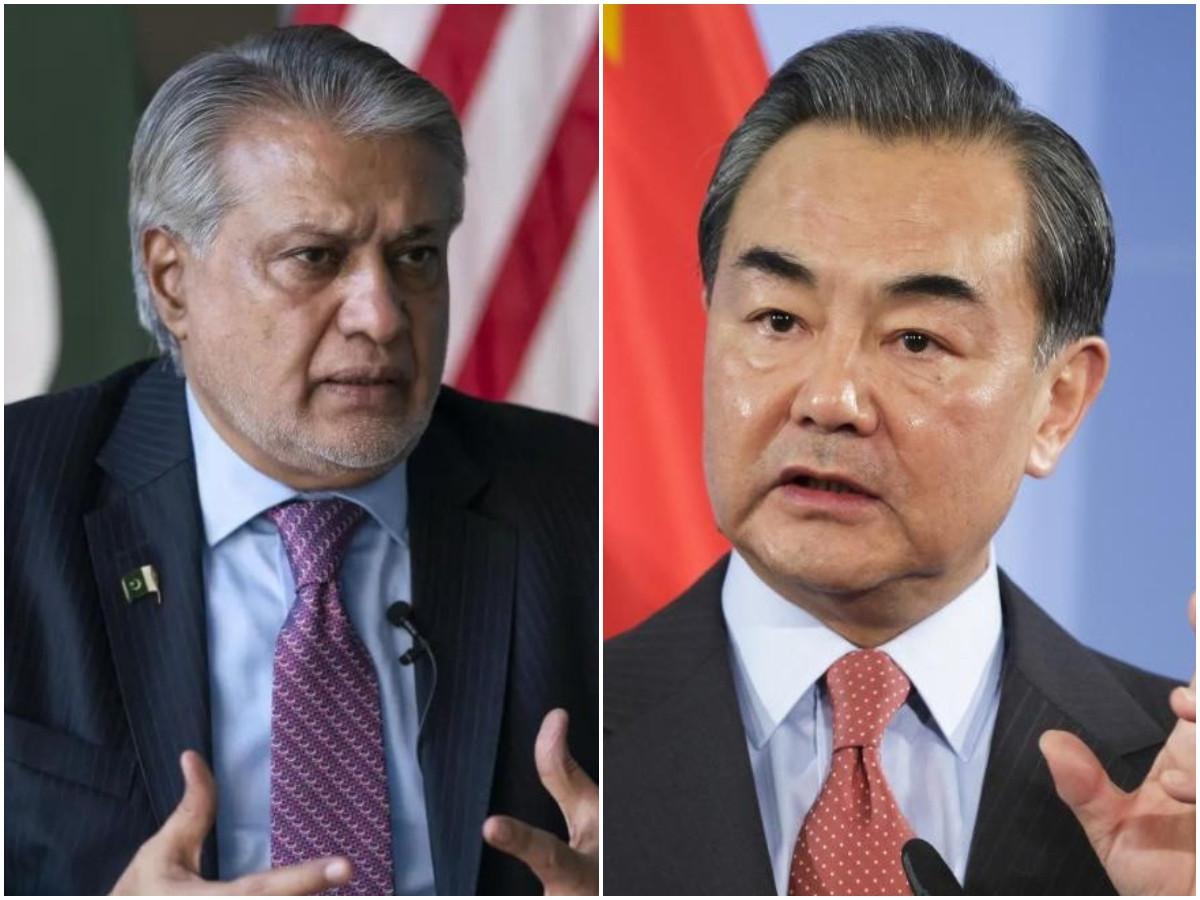
China has also thrown its weight behind Pakistan’s diplomatic initiative. In a separate telephone call with Ishaq Dar, Chinese Foreign Minister Wang Yi underscored that initiating peace talks in the ongoing conflict “is no easy task,” but stressed that such efforts are essential for restoring normal navigation through the strategically vital Strait of Hormuz.
Both sides agreed to jointly push for a ceasefire, cessation of hostilities, and the resumption of dialogue, while ensuring the protection of non-combatants and maritime security. In a post on X, Dar reaffirmed the shared commitment to peace, stating that all efforts would align with the principles of the United Nations Charter.
Wang Yi also expressed appreciation for Pakistan’s constructive role in promoting de-escalation and stability in the region, reiterating Beijing’s support for Islamabad’s mediation efforts.
With growing international backing and continued diplomatic engagement, Pakistan’s role as a key intermediary in the Iran–US crisis appears to be gaining momentum, even as significant challenges remain in bridging the divide between the two sides.
The writer is Head of News at Pakistan Today. He has a special focus on current affairs, regional and global connectivity, and counterterrorism. He tweets as @mian_abrar and also can be reached at [email protected]
View all articles →Comments
No comments yet. Be the first to join the discussion!