Iranian parents refuse to leave cemetery, spending nights beside children killed in US missile attack
In Minab, families gather nightly at the cemetery to mourn children lost in a tragic missile strike. These vigils are a poignant testament to enduring love and grief.


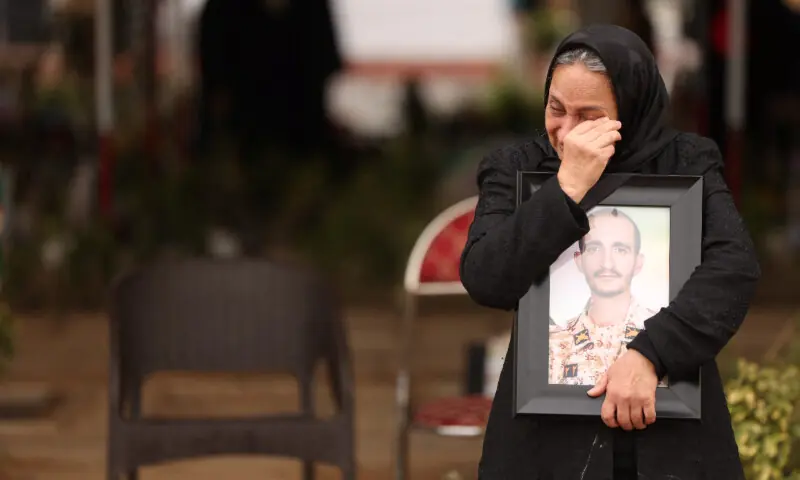
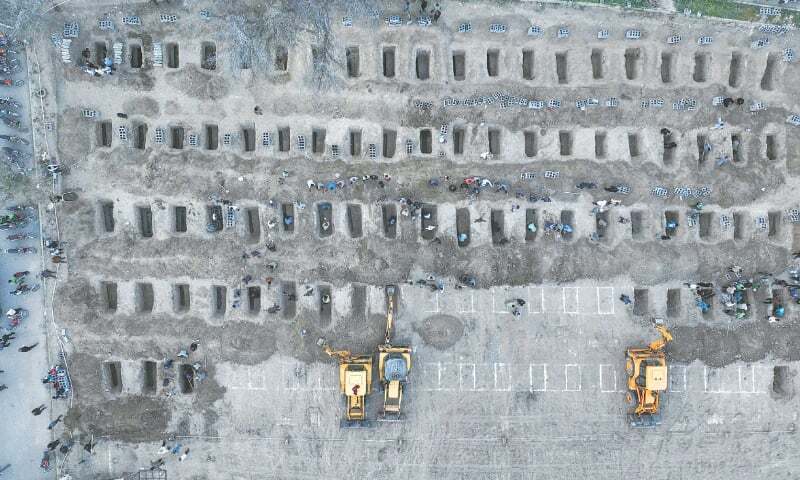
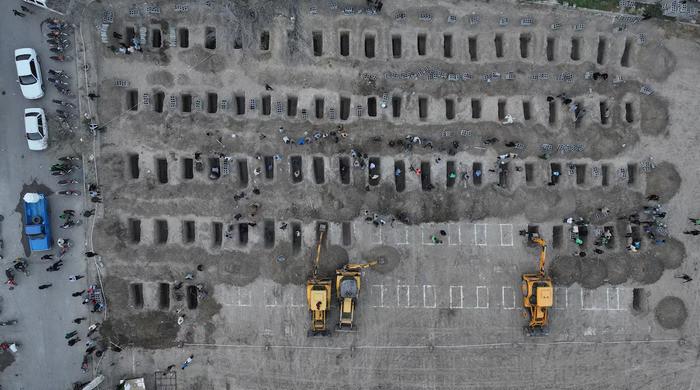
MINAB, IRAN: After sunset, families gather at the cemetery in Minab, carrying blankets, cushions, food, and candles. They sit beside the small graves of their children, cleaning headstones and arranging personal items, staying through the night in quiet vigil until dawn.
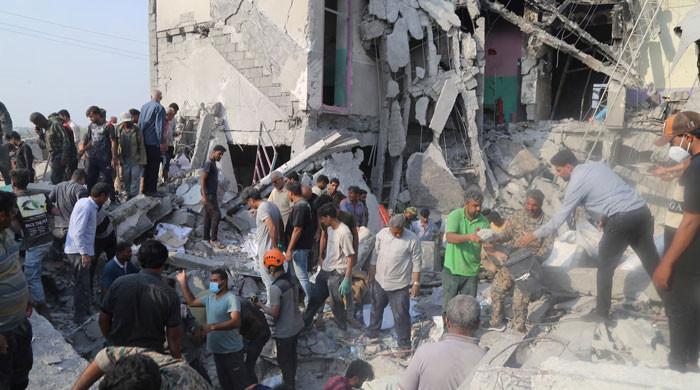
The tragedy stems from a U.S. missile strike on Shajareh Tayyiba elementary school on February 28, which killed at least 168 children, mostly girls aged 7–12, at the start of the U.S.-Israeli war on Iran. For the parents, the cemetery has become a place to grieve, remember, and preserve the presence of their lost children.
Amina Karimi, 42, lost her seven-year-old daughter Leila. She visits nightly, reciting prayers and speaking to her daughter as if she were still there. “Even in the cold, the candlelight gives a sense of warmth,” Karimi says, remembering her daughter’s laughter and the dreams they once shared.
Reza Zarei, 45, whose son Ali was killed, and Reyhana Akbari Far, 40, who lost her daughter Zahra, describe the nights as a mixture of sorrow and solidarity. Families share memories, whisper prayers, and sit in silence. Flickering candles illuminate the graves, offering a fragile comfort amid overwhelming loss. Young children, siblings or cousins of the victims, quietly move among the tombstones, observing how adults bear grief with endurance and ritual.
Preliminary investigations suggest the strike involved a Tomahawk missile based on outdated targeting information. U.S. authorities have not officially admitted responsibility, though human rights organizations have confirmed the scale of the civilian casualties.
The nightly vigils often continue through suhoor, the pre-dawn meal, though few eat. Families sip tea, adjust candles, and fold blankets, cherishing every moment they can spend near their children. Fatima Azadi Pezeshki, 43, who lost her daughter Huda, says, “Even though she is gone, being here lets me keep her close, if only for a few hours each night.”
As dawn approaches, the cemetery slowly empties, leaving only flickering candlelight and the quiet echo of shared mourning. For the families of Minab, the nightly gatherings are both a way to grieve and a testament to the love that endures despite unimaginable loss.
Comments
No comments yet. Be the first to join the discussion!