March 23, 2026
Iran warns coastal attack will lead to full Gulf closure and mine-laying
Iran's Defence Council warns that any coastal attack would lead to full Persian Gulf closure and mine-laying, adding that non-belligerent states can only pass through the Strait of Hormuz by coordinating with Iran.

March 23, 2026
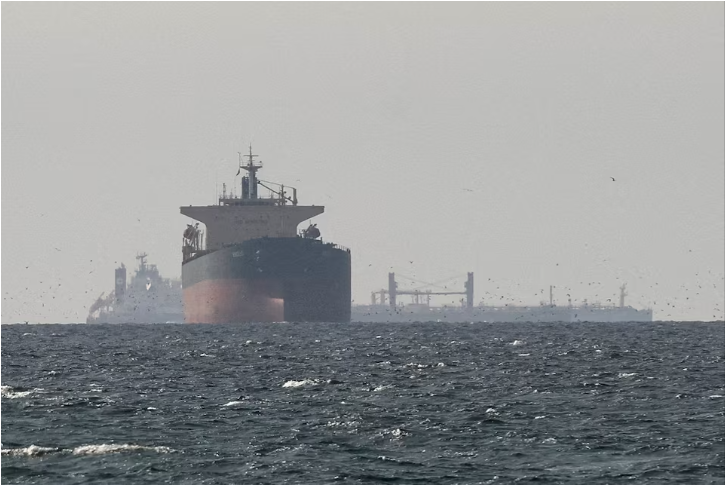
TEHRAN: Iran has warned that any attack on its coastal areas would result in the complete closure of the Persian Gulf and the laying of mines, as the country's Defence Council issued a stern warning to potential aggressors amid heightened regional tensions.
Defence Council's warning
Iran's Defence Council stated that any military strike targeting the country's coastline would trigger a full-scale closure of the Gulf, accompanied by extensive mine-laying operations. The warning represents a significant escalation in rhetoric from Tehran, signalling its readiness to disrupt one of the world's most critical maritime passages in the event of hostilities.
Strait of Hormuz restrictions
The Defence Council further declared that non-belligerent states would only be permitted to pass through the Strait of Hormuz by coordinating directly with Iran. The stipulation effectively places Iranian authorities as gatekeepers of the narrow waterway, through which a substantial portion of the world's oil supply transits daily.
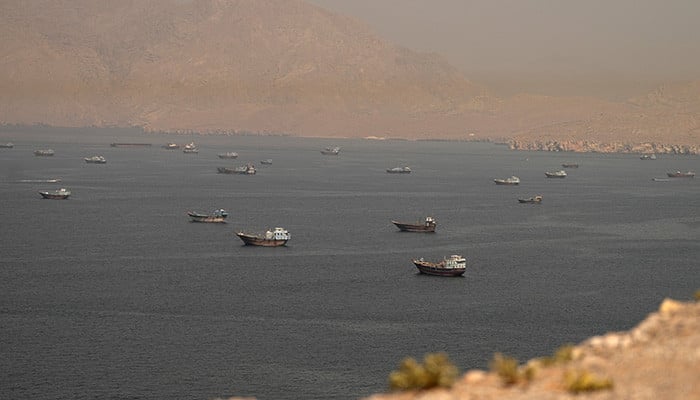
The Strait of Hormuz, situated between Iran and Oman, is one of the most strategically vital chokepoints in global trade. Any disruption to navigation through the strait has the potential to send shockwaves through international energy markets and global supply chains.
Implications of the threat
Iran's declaration that it would resort to mine-laying and a complete Gulf closure underscores the gravity with which Tehran views potential threats to its territorial integrity. The warning suggests that Iran is prepared to leverage its geographic position along the Persian Gulf and the Strait of Hormuz as a deterrent against any military aggression targeting its coastal infrastructure.
The condition requiring coordination with Iran for passage through the Strait of Hormuz for non-belligerent nations adds a layer of complexity to an already tense maritime environment. Such a requirement could significantly impact international shipping and naval movements in the region.
Iran's control over its northern coastline of the strait has long been a factor in regional security calculations, and the latest pronouncement from the Defence Council reaffirms Tehran's willingness to use this strategic advantage if provoked.
The warning comes as tensions in the broader Middle East and Persian Gulf region continue to remain elevated, with multiple stakeholders closely monitoring developments that could affect the free flow of maritime commerce through one of the world's busiest waterways.
0 Comments
No comments yet. Be the first to join the discussion!