Strait of Hormuz disruption could hit Pakistan’s economy hard, study warns
A study has found Pakistan's economy is highly vulnerable to Strait of Hormuz disruptions, with energy imports making up over 22% of the total import bill and severe shocks potentially pushing inflation above 12%.


ISLAMABAD: A new study conducted by the Pakistan Institute of Development Economics (Pide) has found that Pakistan's economy is highly susceptible to any disruption in the Strait of Hormuz, a critical maritime chokepoint through which a significant portion of the country's energy imports pass.
Energy imports and economic exposure
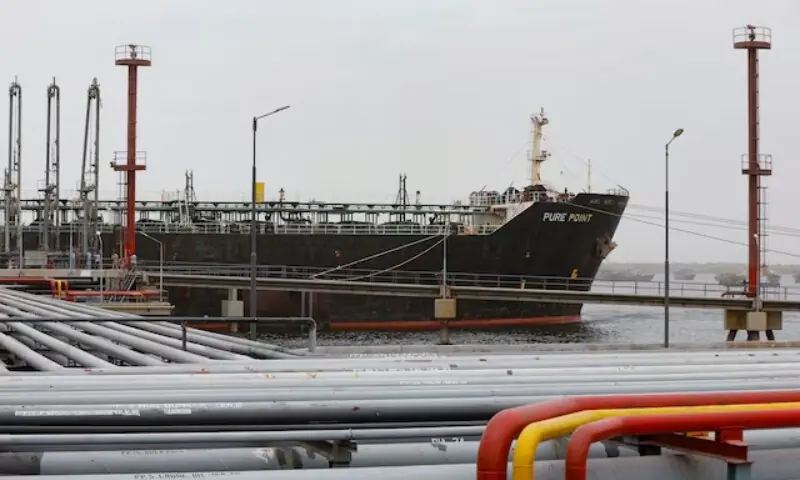
According to the study, energy imports constitute over 22 per cent of Pakistan's total import bill, underscoring the country's heavy reliance on foreign energy supplies that transit through the strategically vital waterway. The findings highlight the extent to which Pakistan's economic stability is tied to the uninterrupted flow of goods through the Strait of Hormuz.
Nearly 20 per cent of Pakistan's imports are routed through the strait, making it a linchpin of the country's trade infrastructure. Any disruption — whether caused by geopolitical tensions, military conflict, or other factors — could have far-reaching consequences for the national economy.
Inflationary impact of supply shocks
The study further assessed the potential inflationary fallout from disruptions to the strait. It found that even mild supply shocks could push Pakistan's inflation rate to 8.8 per cent, while more severe disruptions could drive inflation above 12 per cent. Such inflationary pressures would compound the economic challenges already facing the country's consumers and businesses.
The Strait of Hormuz, located between Oman and Iran, is one of the world's most important oil transit chokepoints. The study's findings come against the backdrop of ongoing US-Israeli tensions with Iran, which have periodically raised concerns about the security and stability of shipping routes through the strait.
Implications for Pakistan's trade and energy security
The research draws attention to the broader vulnerability of Pakistan's trade architecture, which remains heavily dependent on maritime routes for the import of essential commodities, particularly energy products such as crude oil and liquefied natural gas. A blockage or significant disruption in the Strait of Hormuz would not only affect energy supplies but could ripple through the entire economy, affecting transportation costs, manufacturing inputs, and consumer prices.
The study's conclusions serve as a reminder of the importance of diversifying energy sources and trade routes to mitigate risks associated with geopolitical instability in the Gulf region. Pakistan's economic planners face the challenge of reducing the country's exposure to such external shocks while maintaining the energy supplies needed to sustain economic growth.
Comments
No comments yet. Be the first to join the discussion!