Pakistan's international departures drop nearly 50% amid regional airspace disruptions
Pakistan's international flight departures have fallen by nearly 50% due to airspace restrictions across Iranian and Gulf regions amid regional unrest, forcing widespread flight cancellations.

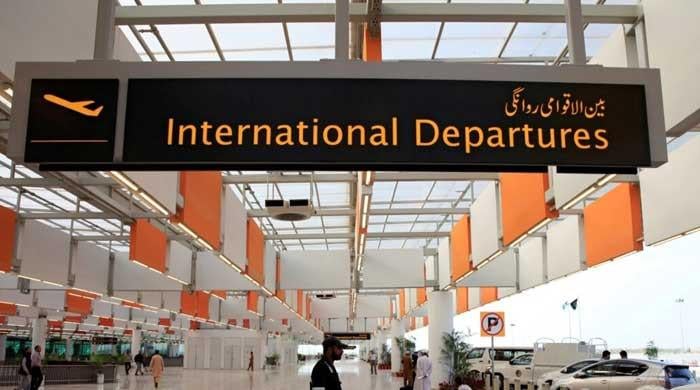
ISLAMABAD: Pakistan has witnessed a sharp decline in international flight departures, with numbers falling by nearly 50 percent as regional unrest continues to disrupt aviation operations across the area.
Airspace disruptions drive steep decline
Analysts have attributed the sudden and significant drop in outbound international flights primarily to airspace disruptions caused by the ongoing regional instability. Restrictions imposed across Iranian and Gulf airspace have forced airlines to cancel a large number of flights, severely impacting Pakistan's aviation sector.
The cancellations have come as a direct consequence of the closure or limitation of key air corridors that Pakistani carriers and international airlines operating from Pakistan typically rely upon for routes connecting to the Middle East, Europe, and other destinations.
Impact on Pakistan's aviation sector
The nearly 50 percent reduction in international departures represents a major blow to Pakistan's already strained aviation industry. With Iranian and Gulf airspace facing restrictions, airlines have been left with limited options for rerouting flights, leading many to opt for outright cancellations rather than operating on significantly longer alternative paths.
The disruptions have affected operations at major airports across the country, including Islamabad International Airport, as carriers struggle to maintain schedules amid the volatile regional situation.
The development underscores the vulnerability of Pakistan's aviation connectivity to geopolitical tensions in the broader region, particularly given the country's geographic dependence on neighbouring airspace for westbound international routes.
Regional unrest takes toll
The airspace restrictions across Iran and the Gulf region have had cascading effects on multiple countries in the area, but Pakistan's aviation sector appears to have been among the hardest hit due to its reliance on these corridors for a significant portion of its international flight operations.
The situation has raised concerns among travellers and industry stakeholders alike, as the disruptions show no immediate signs of easing. The fall in departures is expected to have a ripple effect on the broader travel and tourism economy, as well as on the millions of Pakistani expatriates who regularly travel between Pakistan and destinations in the Middle East and beyond.
Aviation authorities and airlines are closely monitoring the evolving regional situation as they assess the feasibility of resuming normal operations or identifying alternative routing options to restore connectivity for passengers.
Comments
No comments yet. Be the first to join the discussion!