March 17, 2026
Pakistani tanker navigates Strait of Hormuz amid Iran-US-Israel conflict
A Pakistani-flagged tanker has successfully transited the Strait of Hormuz, indicating a potential shift in maritime navigation amid escalating Iran-US-Israel tensions. This development raises concerns over global energy security and trade routes.
March 17, 2026

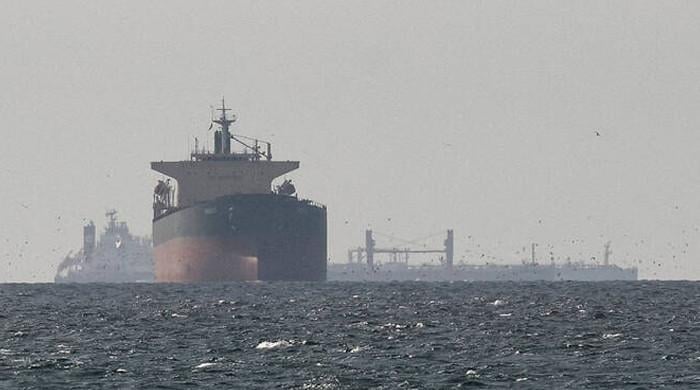
ISLAMABAD: A Pakistani-flagged tanker successfully transited the Strait of Hormuz along the Iranian coastline on Sunday, signaling a potential new pattern for maritime navigation amid escalating tensions in the Gulf, Bloomberg reported on Tuesday.
The vessel, Karachi, sailed through a narrow channel between the Iranian islands of Larak and Qeshm, reportedly with Tehran’s tacit approval, highlighting the growing role of Iran in controlling access to the world’s most critical oil chokepoint.
The Strait of Hormuz, which carries roughly 20% of global oil and liquefied natural gas, has largely been closed since US and Israeli airstrikes on Iran began more than two weeks ago. The ongoing conflict, now in its third week, has already claimed over 2,000 lives and caused major disruptions to global energy markets, driving fuel prices higher and stoking fears of inflation worldwide.
According to vessel-tracking data, two bulk carriers followed the same route on Monday morning, while India-flagged liquefied petroleum gas tankers and a Gambia-flagged cargo ship also used the strait in the last week. Analysts suggest that Iran may be establishing a verification system for vessels, selectively allowing approved ships to transit while keeping others away from traditional shipping lanes.
Harrison Prétat of the Asia Maritime Transparency Initiative said, “This creates a system in which the Strait is not formally closed, yet transit increasingly depends on political understandings with Tehran.” The route’s proximity to Iranian waters continues to raise insurance and financing concerns, and normal traffic volumes remain a small fraction of pre-crisis levels.
Pakistan has also maintained that bilateral trade and transit routes with Iran remain operational despite the turmoil. Ambassador Mudassir Tipu confirmed that border crossings are functioning optimally, with green channels ensuring swift movement of goods, and that Islamabad is extending full cooperation to Tehran to minimize disruptions.
Analysts warn that while limited vessel transits provide some relief to oil markets, the overall uncertainty in the Gulf continues to pose a systemic risk to global energy security. “Even if certain ships are allowed passage, the Strait’s proximity to conflict zones, combined with Iran’s selective control, makes it a high-risk environment for shipping, insurers, and banks financing commodity shipments,” said Prétat.
As the conflict continues, Pakistan, Russia, and China are positioning themselves as diplomatic and economic stabilizers in a region threatened by military escalation, humanitarian crises, and unprecedented disruptions to international trade.
0 Comments
No comments yet. Be the first to join the discussion!