Petrol price reality check
Pakistan's fuel supplies are secure for now, but rising global oil prices demand a policy shift. This article explores the economic implications and necessary adjustments.

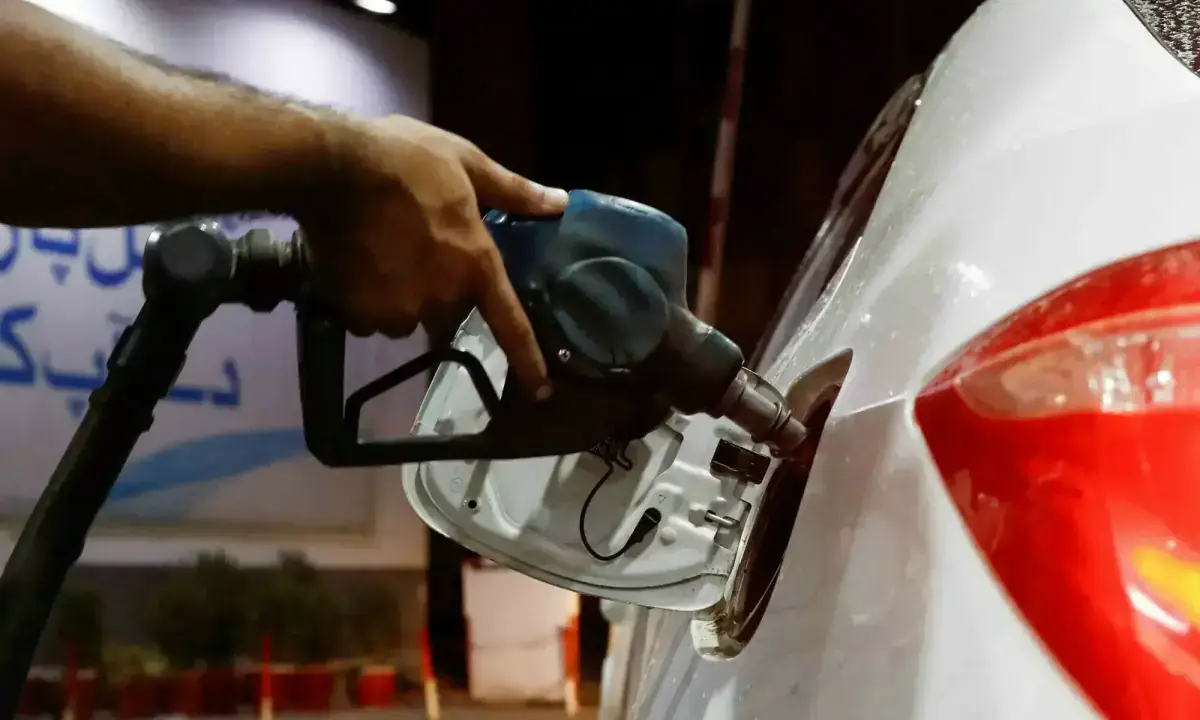
Pakistan’s fuel supplies appear secure for the immediate future, but the underlying pressures on the country’s energy economy are intensifying. Just yesterday a parliamentary committee was informed that petrol stocks are sufficient for about 27 days while diesel reserves can meet demand for roughly 21 days, with overall supply arrangements secured until mid-April. These figures provide short term reassurance, yet they also underline how exposed Pakistan remains to external shocks in global oil markets.
The recent rise in petroleum prices therefore represents a necessary policy response rather than a political choice. Pakistan is a large importer of energy and its domestic pricing structure cannot be insulated indefinitely from global developments. With oil prices climbing amid a prolonged regional conflict and supply disruptions, maintaining artificially low domestic fuel prices would only defer the costs while worsening the country’s fiscal position.
In the past, governments have frequently resorted to lowering the petroleum development levy or providing direct subsidies when global oil prices rise. Such measures may offer temporary relief to consumers, but they come at a significant economic cost. Subsidised fuel prices place pressure on the budget, widen the fiscal deficit, and weaken the credibility of economic reforms. Pakistan has already experienced how politically driven fuel subsidies can destabilise public finances and complicate negotiations with international lenders.
The present situation is particularly sensitive because it coincides with one of the most significant geopolitical disruptions in decades. Energy markets are reacting to sustained military tensions in the Middle East and the resulting uncertainty over supply routes and production capacity. For an import dependent country such as Pakistan, attempting to shield domestic consumers from these price movements through subsidies would be financially unsustainable.
Instead, policymakers must accept that fuel prices need to reflect international realities. Passing global price changes through to domestic consumers is not merely a fiscal necessity. It is also an important economic signal. Higher fuel prices encourage conservation, promote efficiency and reduce unnecessary consumption. They also create incentives to accelerate the transition towards alternative energy sources and more efficient transport systems.
At the same time, the government must recognise that higher energy costs place a burden on households and businesses. The appropriate response, however, is not to distort fuel prices but to strengthen targeted social protection and pursue broader fiscal discipline. If austerity is required, it should be directed toward reducing non essential public spending, rationalising state owned enterprises and improving tax collection rather than subsidising fuel consumption.
Pakistan’s energy vulnerability is a structural challenge that cannot be solved through short term price controls. Transparent and market aligned pricing remains the most sustainable policy approach. While politically difficult, maintaining this discipline will protect the country from the far greater economic damage that would follow from unsustainable subsidies and deteriorating public finances.

The Editorial Department of Pakistan Today can be contacted at: [email protected].
View all articles →Comments
No comments yet. Be the first to join the discussion!