March 16, 2026
China steps up mediation as Pakistan‑Afghanistan tensions continue
China is intensifying its mediation efforts to de-escalate tensions between Pakistan and Afghanistan, urging dialogue over military action. With ongoing diplomatic engagements, Beijing aims to facilitate peace in the region.
March 16, 2026

ISLAMABAD: China on Tuesday reaffirmed its role as a key mediator in efforts to de‑escalate tensions between Pakistan and Afghanistan, saying it will continue diplomatic engagement while urging both sides to pursue dialogue instead of force.
In an official statement, a spokesperson for the Ministry of Foreign Affairs of the People's Republic of China said Chinese Foreign Minister Wang Yi has held multiple telephone conversations with his Afghan and Pakistani counterparts over the past week, underscoring Beijing’s commitment to peace efforts amid escalating hostilities. Chinese embassies in both Islamabad and Kabul have also maintained “close communication” with officials from both capitals.
China has dispatched its Special Envoy on Afghan Affairs to shuttle between the two countries in recent days, seeking to facilitate an early ceasefire and direct talks. “China will continue to facilitate reconciliation and ease tensions,” the foreign ministry spokesperson said, calling on both sides to remain calm, exercise restraint, and resume face‑to‑face negotiations at the earliest opportunity.
Beijing’s push for diplomacy is rooted in a broader effort to prevent the conflict from deepening. Chinese state media reported that Wang Yi has repeatedly emphasised that differences “can only be resolved through dialogue and consultation rather than force,” adding that further military escalation would only worsen the crisis and threaten regional stability.
Chinese diplomatic sources and foreign ministry briefings highlight that Beijing’s mediation comes at a time when rival regional mediators such as Qatar, Saudi Arabia, and Turkey are preoccupied with the Middle East conflict sparked by US and Israeli strikes on Iran. As a result, China has emerged as a primary diplomatic interlocutor for both Islamabad and Kabul, largely because of its longstanding economic ties under the China–Pakistan Economic Corridor and its growing engagement with Afghanistan.
Recent Reuters reporting quoted Chinese diplomats saying that the “most urgent task is to prevent the fighting from expanding and for the two countries to return to the negotiating table as soon as possible” — a message China has repeated across multiple channels.
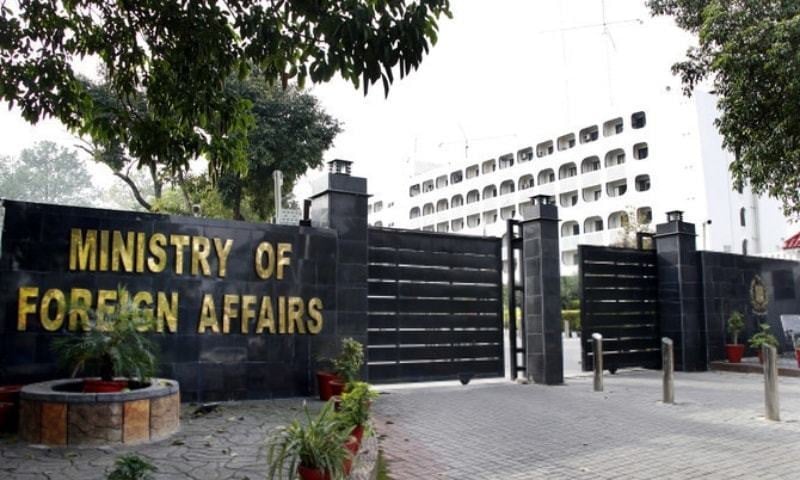
Meanwhile, The Foreign Office Pakistan (FO) on Monday rejected reports claiming that Pakistan had turned down China’s offer to facilitate talks with the Afghan Taliban, calling such reports “unwarranted speculation or fabrication of facts.”
FO spokesperson Tahir Andrabi clarified that Pakistan and China remain trusted partners with close and regular communication on all issues of mutual interest.
“Pakistan and China remain trusted partners and close friends, and both maintain regular and close communication on all issues of mutual concern and shared interest. Therefore, any unnecessary speculation or fabrication of facts in this regard is unwarranted,” he said.
Earlier, China had reaffirmed its willingness to continue mediating to ease ongoing border tensions between Pakistan and Afghanistan. Lin Jian, spokesperson for the Chinese Foreign Ministry, said, “The most urgent task is to avoid the expansion of the war and return the two countries to the negotiating table as soon as possible.”
He added that Beijing has been actively mediating between Islamabad and Kabul in recent days to encourage reconciliation and improve bilateral relations.
Pakistan has informed China that it will stick with its policy of non‑engagement with the current Taliban administration in Kabul, citing the Afghan side’s failure to curb militant groups such as the banned Tehreek-e-Taliban Pakistan operating from Afghan soil.
The statement follows recent remarks by Chinese Foreign Minister Wang Yi, who told his Afghan counterpart Amir Khan Muttaqi that disputes between the two countries should be resolved through dialogue and consultation, not force.
China’s mediation push occurs against a backdrop of intermittent fighting and cross‑border military actions between Pakistan and Afghan Taliban forces. While both sides accuse each other of provocations and civilian harm, China’s statements call for respect for sovereignty, security, and territorial integrity of all Gulf and South Asian states. Beijing has also condemned any indiscriminate attacks on civilians or economic infrastructure during conflicts.
China’s engagement reflects its broader foreign policy emphasis on peaceful dispute resolution and its strategic interest in stabilising neighbouring regions, including through initiatives such as trilateral dialogues with Pakistan and Afghanistan that have been held in previous years to enhance cooperation and reduce tensions.
The tension comes amid a resurgence of terrorism in Pakistan since the Afghan Taliban’s return to power in 2021. Islamabad has repeatedly urged the Taliban administration to dismantle terrorist sanctuaries on Afghan soil, particularly those linked to the banned Tehreek-i-Taliban Pakistan (TTP), but officials say those appeals have largely gone unheeded.
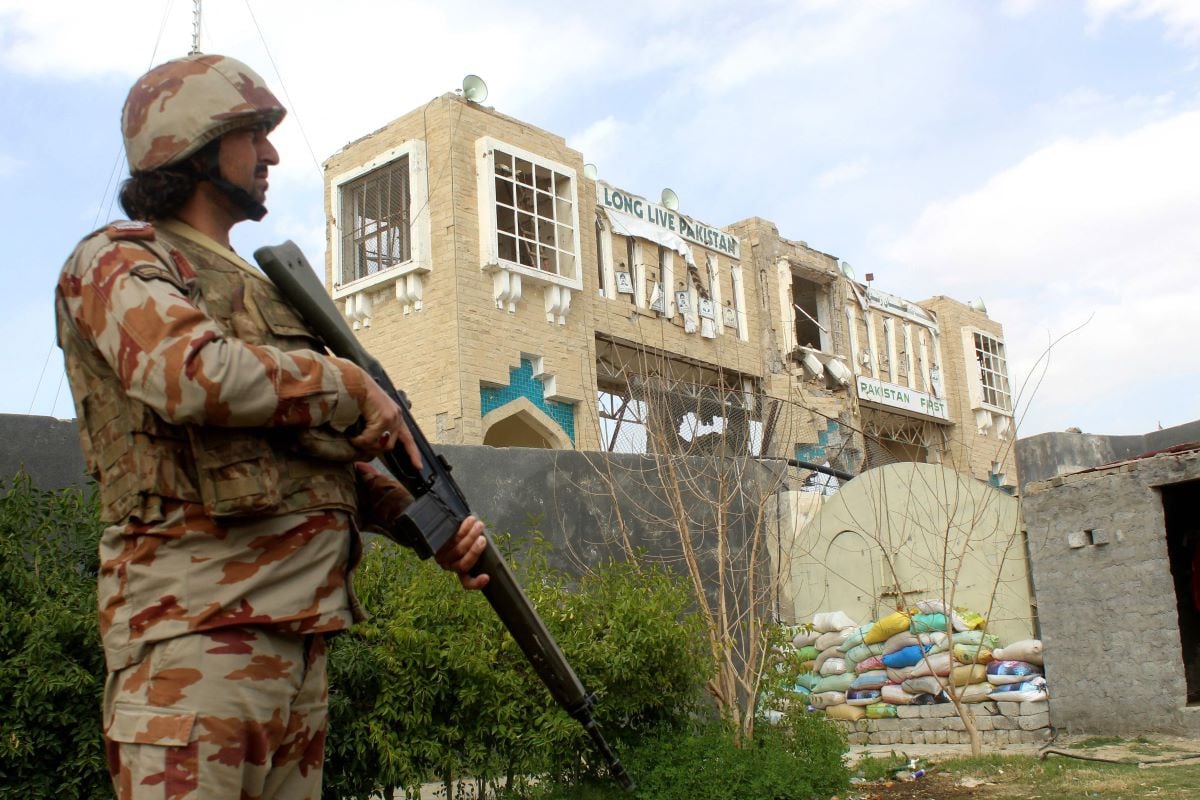
On February 26, Pakistan launched Operation Ghazab lil-Haq after unprovoked cross-border firing by Afghan Taliban forces, highlighting the continuing security challenges along the frontier.
The writer is Head of News at Pakistan Today. He has a special focus on current affairs, regional and global connectivity, and counterterrorism. He tweets as @mian_abrar and also can be reached at [email protected]
View all articles →0 Comments
No comments yet. Be the first to join the discussion!