US-Israeli coalition maintains military advantage as Iran adapts tactics in ongoing conflict
Seven days into the US-Israeli coalition's conflict with Iran, the coalition maintains military superiority while Iran adapts tactics, sustaining operations and carrying out strikes despite heavy losses.

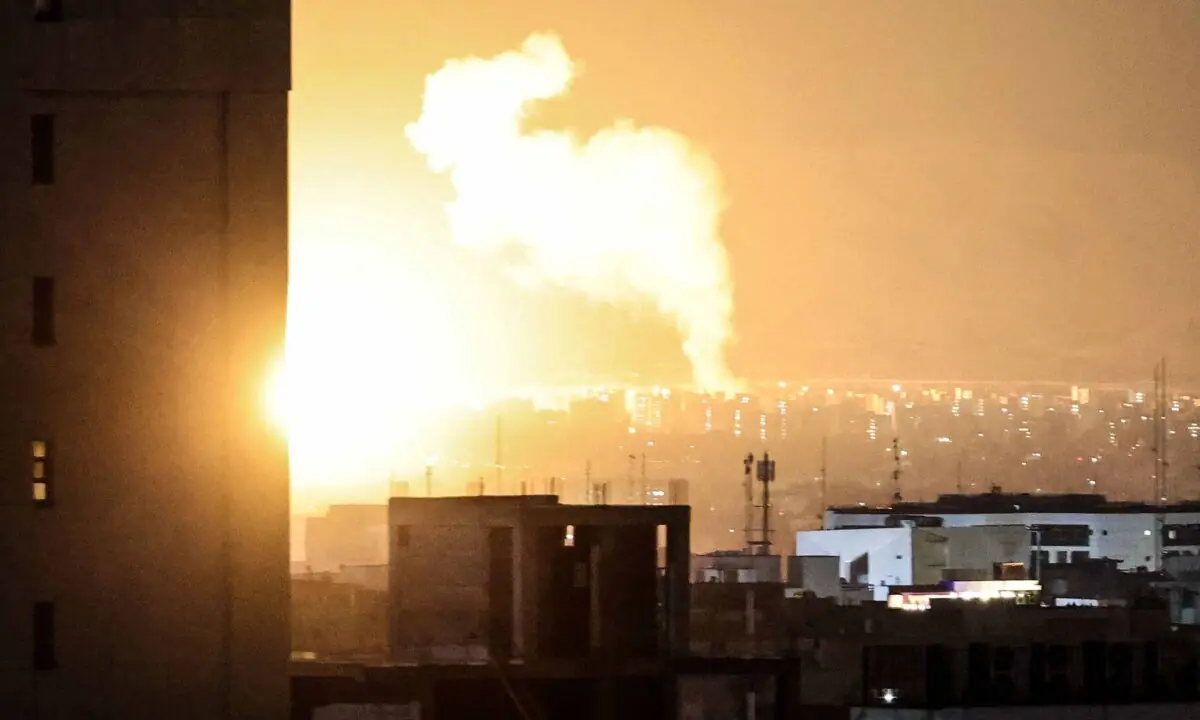
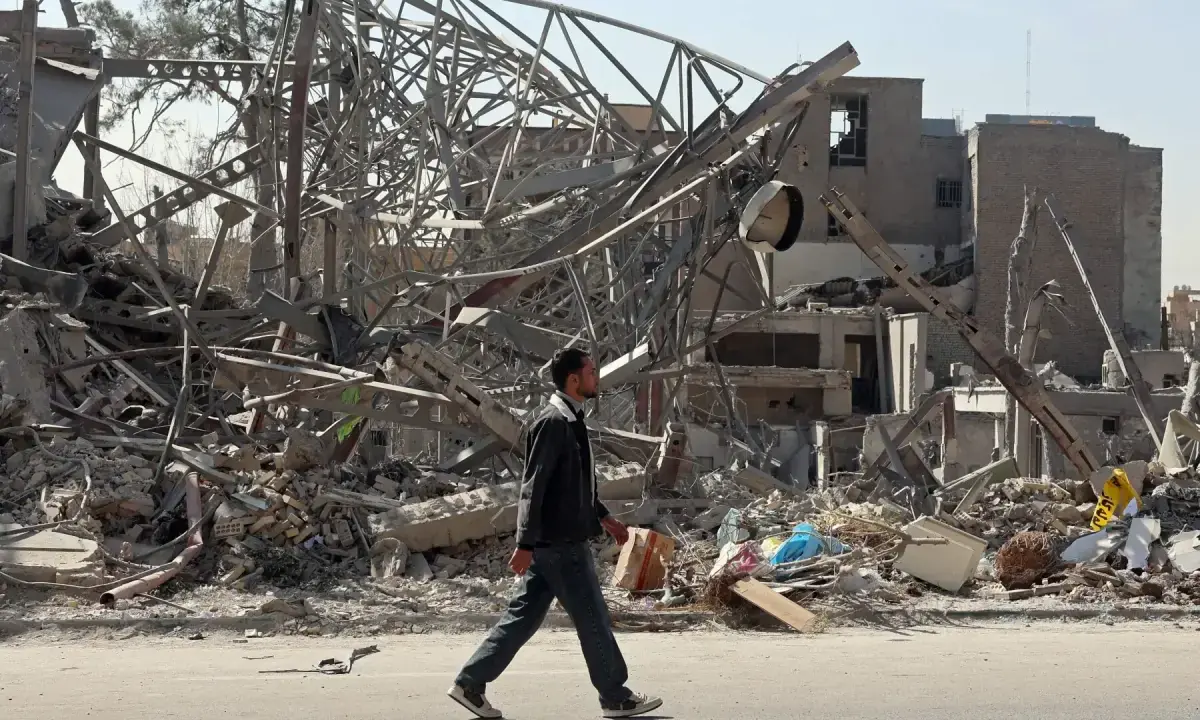
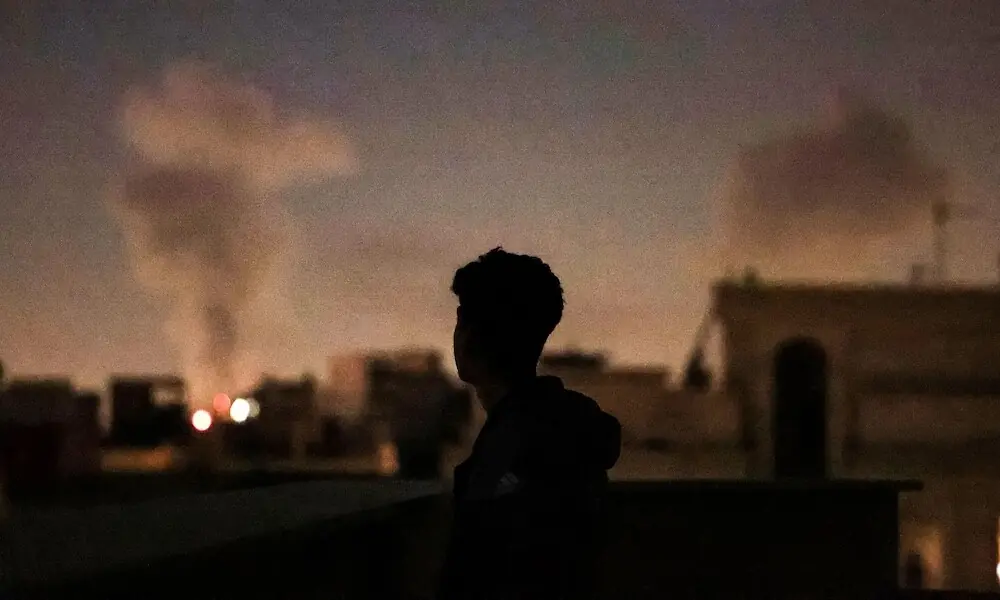
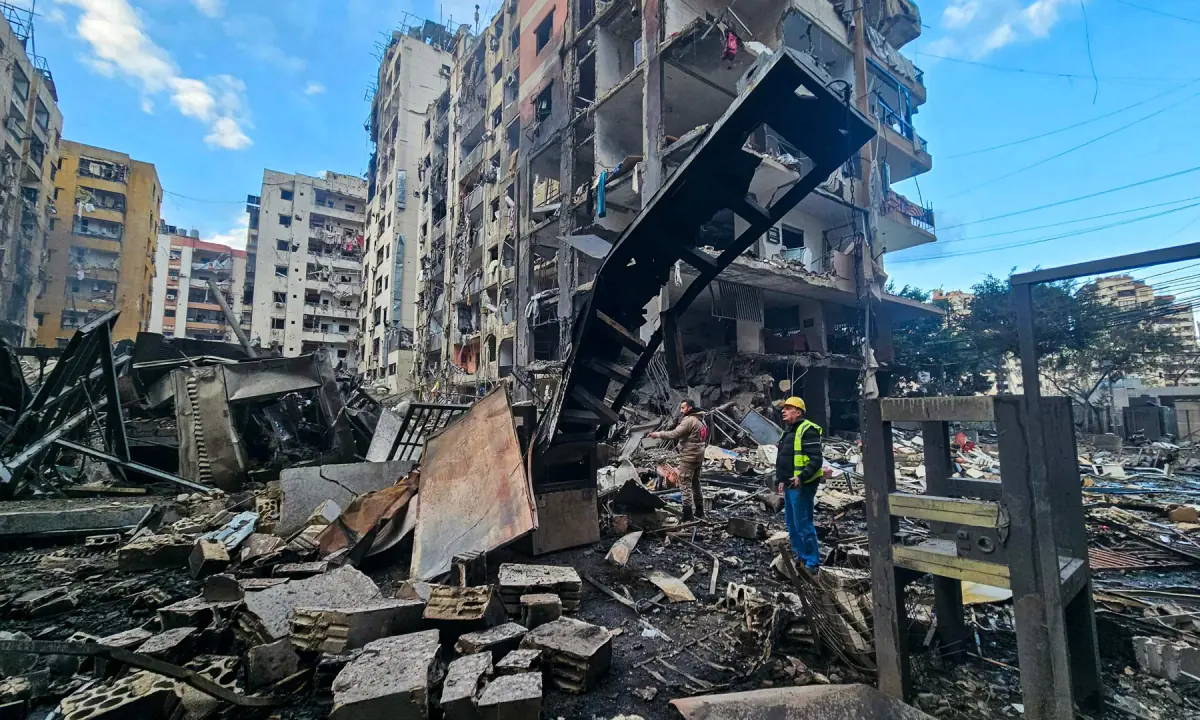
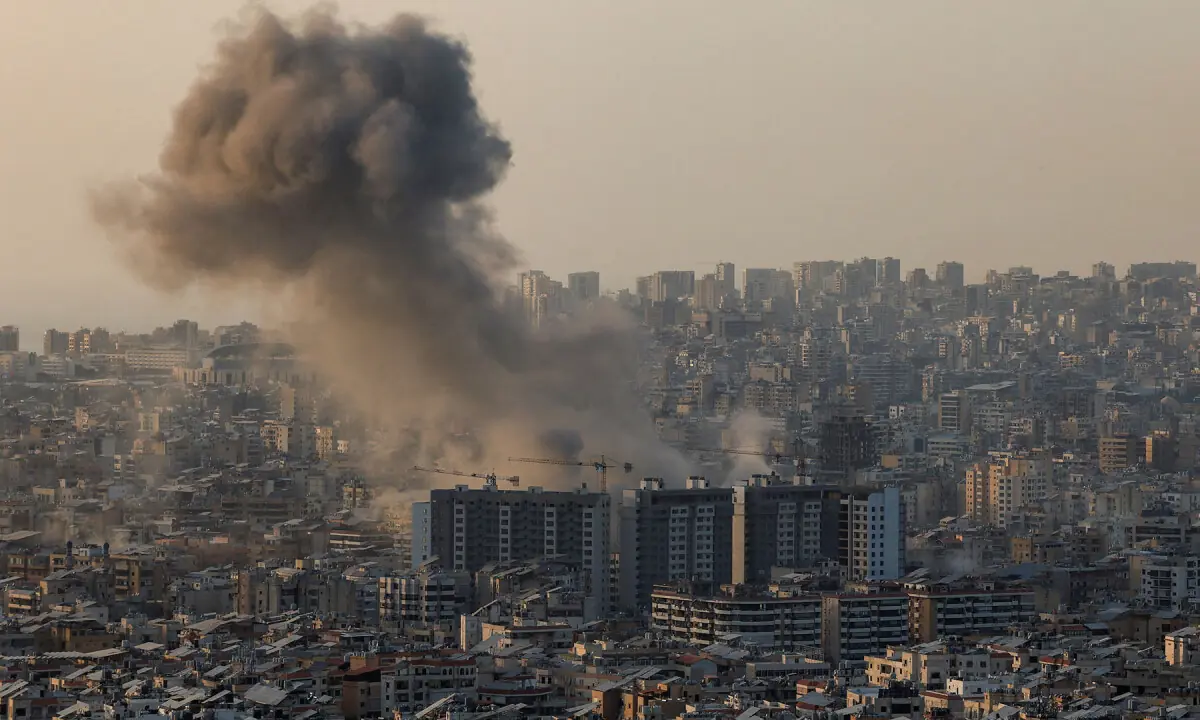
Seven days into the conflict between the United States-Israeli coalition and Iran, the nature of the fighting has shifted from initial high-intensity exchanges to a more sustained test of endurance. The coalition has established clear dominance in both air and naval operations, conducting ongoing strikes on Tehran, fortified underground targets, and Hezbollah positions in Lebanon over the past twenty-four hours.
Despite facing significant losses, Iran has demonstrated resilience and adaptability. Reports indicate that the volume of Iranian ballistic missile launches has decreased by 80 to 90 percent, as noted by Centcom and other regional sources. However, Iran has continued to carry out successful operations, including verified strikes using cluster munitions on Tel Aviv and confirmed attacks on the BAPCO refinery in Bahrain. These actions have imposed political, economic, and psychological costs on the coalition and its partners.
Iran’s ability to sustain operations is attributed to its multi-nodal command structure and the use of underground “missile cities,” which have helped mitigate the impact of coalition strikes. Tehran appears to have adjusted its strategy, focusing on leveraging asymmetric tactics to maintain pressure despite reduced conventional capabilities.
Sources suggest that while the coalition maintains conventional superiority, Iran’s ongoing adaptation signals a prolonged conflict rather than a swift resolution. The situation remains fluid, with both sides continuing to adjust their approaches as the conflict enters its second week.
Comments
No comments yet. Be the first to join the discussion!