Petrodollar endgame?
The escalating conflict between Iran and Israel is shaking global energy markets, threatening oil supply and the stability of the petrodollar. Key insights on the implications for the Gulf economy and Pakistan's response.

The impact of the escalating conflict between Iran and Israel was felt immediately on the global energy markets. It began with Iran’s decision to close down the Strait of Hormuz. It appears Iran doesn’t actually need the full naval strength needed to implement a blockade to do so. All it took was the threat of force to convince Maersk and other global shipping giants it was not worth sending their vessels in that direction — a fact no doubt helped by the decision from insurance companies to withdraw coverage for ships going through these dangerous and war torn waters.
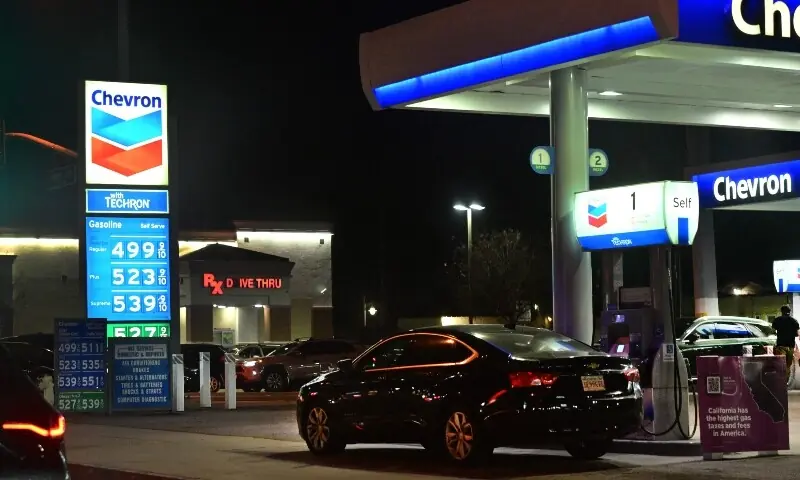
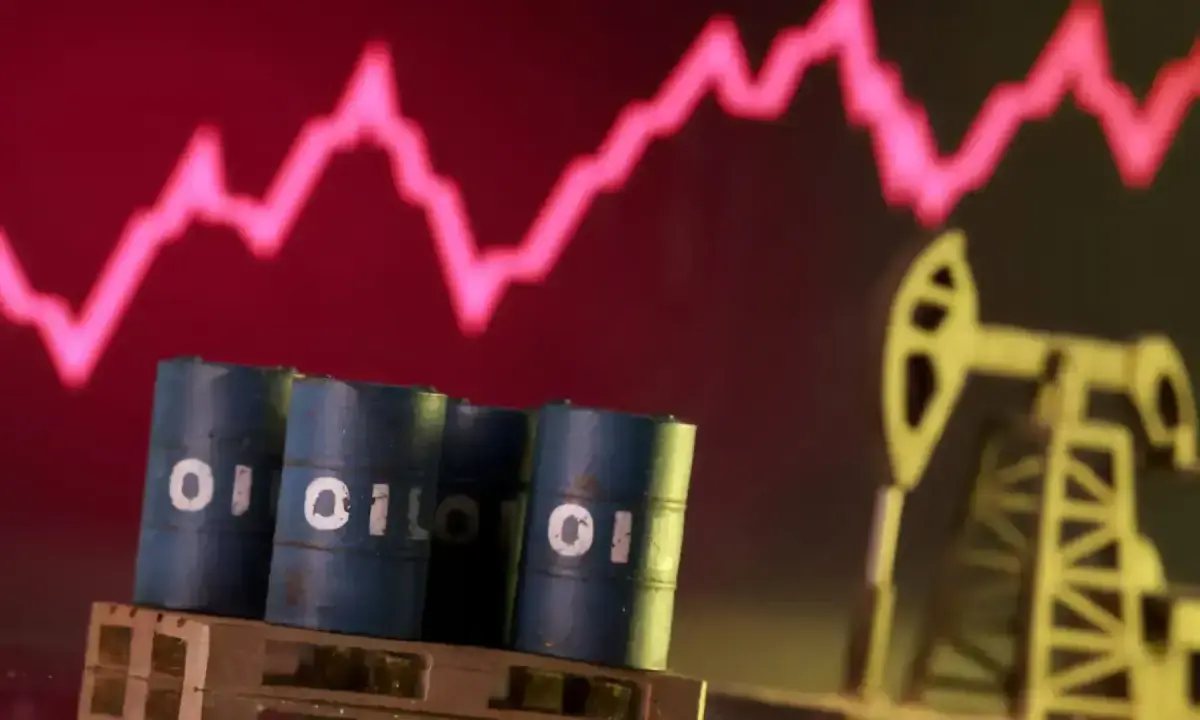
If it was not enough that the global supply of oil was threatened, with nearly 20% of the overall supply running through the strait, it became very clear that energy infrastructure beyond just shipping lanes was also being considered a target. News from Saudi Arabia revealed an Aramco facility had been hit, and Qatar halted LNG production after its facilities were hit. Gas prices in Europe have shot up by 50% and Brent Crude jumped by 10% to touch more than $82 a barrel on Monday after at least three ships were attacked near the Strait of Hormuz at the weekend.
Iran has officially denied the attack on Aramco and has said nothing about the devastation caused to QatarEnergy. Some have speculated that Aramco might even have been struck by the Israelis in an effort to push Crown Prince Muhammad Bin Salman into joining the field against Iran by launching strikes in response targeting Iran’s petrochemical infrastructure.
In any case it is clear that with the war escalating in the region it is oil and energy that will be chiefly affected. Iran’s strategy is clear. With no ability to strike the US mainland, they will strike the countries hosting its bases. The entire Gulf economy revolves around oil and this decision has thrown the world’s fuel supply into a bit of a tailspin. The question is how long the US will be able to sustain the pressure from Iran’s consistent bombardment.
While it seems the Gulf countries are realising their reliance on the Americans and their centrality to the petrodollar is not enough protection, one wonders what lengths the Arab states are willing to go to in order to defend their most vital economic lifeline.
For Pakistan, caution is key. The government has done well as of now to maintain a diplomatic channel open with all parties and the effort has been to reconcile the issue and call for an end to active military hostilities. Beyond a responsible role in the region, however, Pakistan must remember that it depends for fuel on both the Gulf and Iran. And in the case of the Gulf, there is the question of Pakistani workers that send remittances back home. If the oil economy of the Gulf is shaken or hurt for a protracted period, it could mean domestic instability for Pakistan. Immediate peace and a ceasefire is the need of the hour which Pakistan must continue to push through every diplomatic forum.
The martyrdom of Ayatollah Ali Khamenei has clearly shaken the world order and the foundation of the riches of the Gulf states. Iran can go in any direction now. It can go down in a blaze of missiles in one last brilliant display of the last throes of a sinking ship. The government can also now focus on rebuilding after what can only be described as an appropriate message to the region and the broader world. And of course, if the Americans and Israelis have anything to say about it, there could be regime change. Whichever direction this takes will be vital to Pakistan’s economy and security — which is why we must watch, wait, and act appropriately.

The Editorial Department of Pakistan Today can be contacted at: [email protected].
View all articles →Comments
No comments yet. Be the first to join the discussion!