Tarique Rahman sworn in as Bangladesh’s PM after landslide election victory
Tarique Rahman has been sworn in as Bangladesh's Prime Minister after a decisive election victory, marking a significant political shift. He faces urgent challenges ahead.

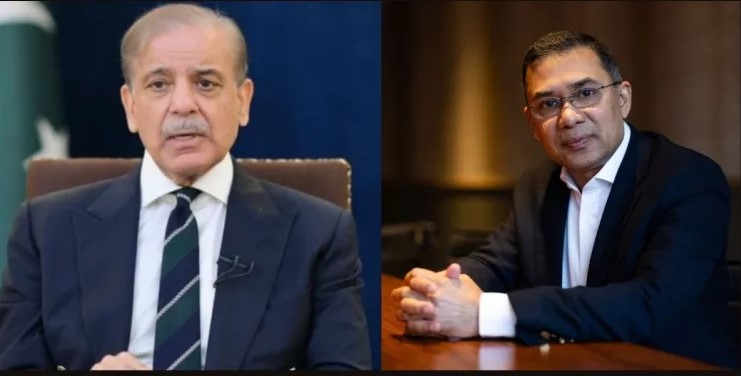
DHAKA: Bangladesh Nationalist Party (BNP) leader Tarique Rahman was sworn in as Bangladesh’s prime minister on Tuesday, marking a decisive political shift in the South Asian nation after his party’s sweeping parliamentary election victory.
Rahman, 60, son of former Prime Minister Khaleda Zia and assassinated President Ziaur Rahman, takes office facing urgent challenges, including restoring political stability, rebuilding investor confidence, and reviving key industries such as the garment sector after the prolonged turmoil that followed the Gen-Z led uprising that toppled Sheikh Hasina's government in 2024.
An interim administration led by Nobel laureate Muhammad Yunus ran the country through the transitional period leading up to the election.
Breaking with tradition, the swearing-in ceremony was held under the open sky at the South Plaza of the Jatiya Sangsad Bhaban, the national parliament building, instead of the Bangabhaban, the president’s official residence, where such events are usually organised.
President Mohammed Shahabuddin officiated as Rahman and his cabinet took their oaths in the presence of senior political figures, diplomats, civil and military officials, and representatives from invited countries, including China, India and Pakistan.
Rahman’s BNP secured a commanding two-thirds majority, returning to power after nearly two decades. The Jamaat-i-Islami, contesting its first election since a 2013 ban was lifted following Hasina’s ouster, won a record 68 seats.
Hasina’s Awami League party was banned from contesting after its registration was revoked by the Election Commission.
Jamaat and its allies, including the National Citizen Party, led by youth activists who played a prominent role in the movement that toppled Hasina, will form the opposition.
Rahman’s elevation caps a long and turbulent political journey. He returned to Bangladesh last year after 17 years of self-imposed exile in London, arriving shortly before his mother’s death.
Rivals have long criticised his political record, pointing to corruption allegations he denies, but his return energised party supporters and reshaped the BNPs campaign.
In his first remarks after the election, Rahman urged calm and restraint, saying: Peace, law and order must be maintained at any cost.
He called on supporters to avoid retaliation, warning: We will not tolerate any kind of chaos.
Earlier today, Rahman and lawmakers were sworn into parliament on Tuesday, becoming the first elected representatives since a deadly 2024 uprising.
The lawmakers, who promised loyalty to Bangladesh, were sworn in by the Chief Election Commissioner AMM Nasir Uddin.
‘Peaceful opposition’
Rahman’s win marks a remarkable turnaround, with the BNP coalition winning 212 seats, compared with 77 for the Jamaat-i-Islami-led alliance.
Jamaat, which secured more than a quarter of seats in parliament — a four-fold increase on its previous best — has challenged results in 32 constituencies.
But Jamaat leader Shafiqur Rahman, 67, has also said the party would “serve as a vigilant, principled, and peaceful opposition”.
Only seven women were directly elected, although a further 50 seats reserved for women will be allocated to parties according to their share of the vote.
Four members of minority communities won seats, including two Hindus — a population that makes up roughly seven per cent in Muslim-majority Bangladesh.
Despite weeks of turbulence ahead of the polls, voting day passed without major unrest and the country has so far responded to the results with relative calm.
“If the BNP can do a good job with the economy, it will make everything else easier for the government,” Crisis Group analyst Thomas Kean said.
“It will help to create a level of stability, to tackle the many other challenges beyond the economy.”
Pakistan congratulates Rahman
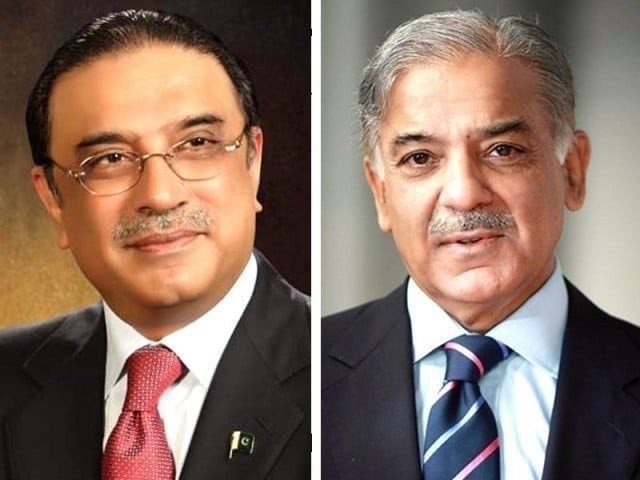
After Rahman’s oath-taking, President Asif Ali Zardari congratulated him on becoming the prime minister and his party on its “decisive victory” in the elections.
A post by the President’s Secretariat on social media platform X said Zardari also appreciated the interim government’s role “in a peaceful [and] fair election” and conveyed “best wishes for stability and prosperity”.
The president “hopes for stronger Pakistan-Bangladesh ties and regional peace”, the post said.
Separately, Planning Minister Ahsan Iqbal, who was visiting Dhaka for the swearing-in ceremony, conveyed best wishes and prayers for Rahman in “steering the country towards new heights of progress and development”.
“It was an honour to witness and be part of this historic moment in the history of Bangladesh on behalf of Prime Minister Shehbaz Sharif and the people of Pakistan,” he said.
Earlier, the minister had met with Mohammad Yunus, who was serving as the country’s interim leader.
“I warmly congratulated Professor Yunus and the people of Bangladesh on the successful conduct of elections and the historic democratic transition. I conveyed Pakistan’s sincere good wishes for continued stability, progress, and prosperity for Bangladesh under its new leadership,” he said.
He further said that the discussions focused on “opening a new, forward-looking chapter in Pakistan–Bangladesh relations”.
“I expressed appreciation for the positive momentum in bilateral ties, including growing trade engagement, revival of direct air connectivity, and renewed people-to-people contacts. We agreed that the current regional and geopolitical environment demands greater economic cooperation, connectivity, and collaboration between our two countries,” Iqbal said.
He also acknowledged Yunus’s global contributions to social entrepreneurship and inclusive development.
“I extended an invitation for him to visit Pakistan so that we may further institutionalise cooperation in areas of shared interest, particularly youth empowerment, innovation, and sustainable development,” he said.
“Pakistan and Bangladesh share deep cultural, historical, and social affinities. It is time to transform these affinities into structured economic partnerships, academic exchanges, and regional cooperation. Our future lies in building connectivity, expanding trade, empowering youth, and shaping a stable and prosperous South Asia together,” he said.
Comments
No comments yet. Be the first to join the discussion!